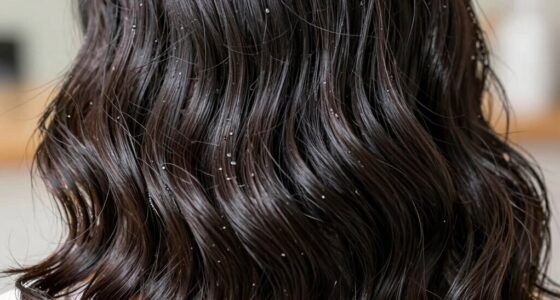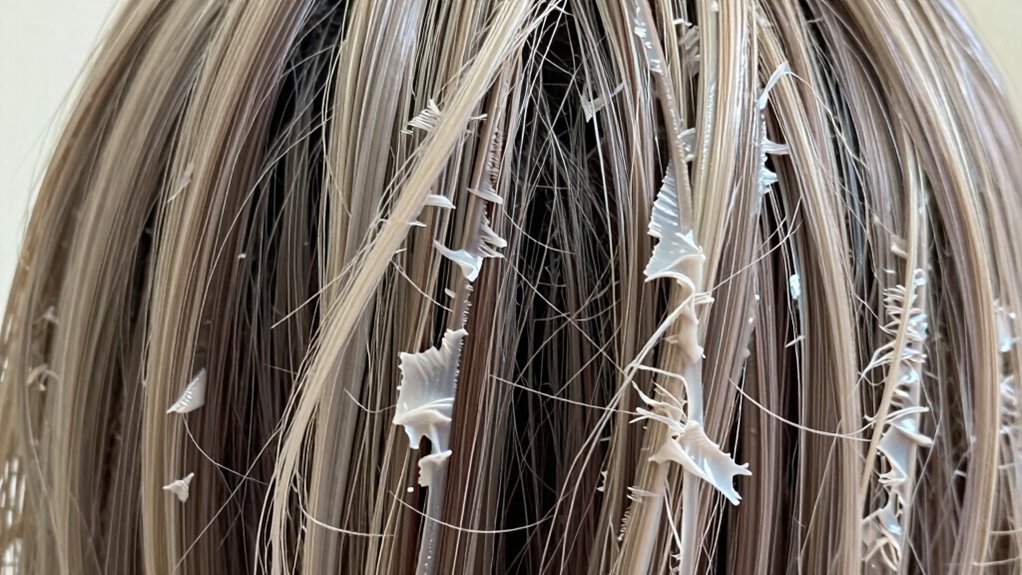

If you have a protein overload, your hair will feel stiff, rigid, and straw-like, making it hard to style and losing its natural bounce. It might look dull and lifeless, reflecting light less and appearing flat. You’ll likely notice more breakage, split ends, and increased shedding. Sometimes, your scalp may feel itchy or dry. If these signs sound familiar, understanding how to balance protein and moisture can help, and there’s more to discover ahead.

Get beauty and skincare favorites delivered free with Prime
- Fast, free delivery on millions of items
- Prime Video, Amazon Music and more included
- Member-only deals all year
Key Takeaways
- Hair feels stiff, straw-like, and resistant to styling, indicating excessive protein buildup.
- Increased breakage, split ends, and shedding occur due to weakened internal hair structure.
- Dull, lifeless appearance with loss of shine results from over- stiffened strands.
- Scalp may become itchy, dry, or clogged from overuse of protein treatments.
- Porosity imbalances cause uneven absorption, leading to brittle or overly rigid hair.
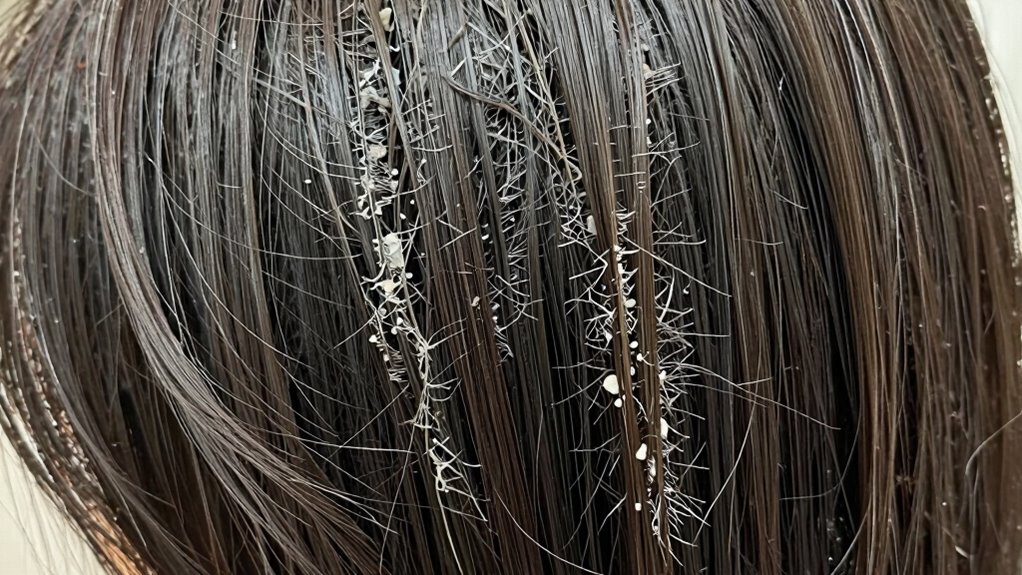
Have you ever wondered if too much protein could harm your hair? It’s a valid concern, especially since many people turn to DIY treatments to strengthen their strands. When your hair becomes overloaded with protein, it can lead to a condition called protein overload, which manifests in specific, noticeable ways. Understanding what this looks like helps you identify if your hair needs a different approach.
One of the key signs is stiffness. Instead of feeling soft and flexible, your hair might feel rigid or straw-like. You may notice it resists styling and lacks the natural bounce you’re used to. This stiffness occurs because excess protein causes your hair cuticles to become tightly bound, reducing flexibility. If you’ve been using frequent DIY treatments that focus heavily on protein, it’s easy to tip the balance, especially if you don’t pay attention to your hair’s porosity. Hair porosity, or how well your hair absorbs and retains moisture, plays a big role here. High-porosity hair tends to absorb protein quickly but can also become overwhelmed easily, leading to a brittle texture. Conversely, low-porosity hair might not absorb enough protein, causing uneven results and sometimes weighing down your strands.
Excess protein can make hair stiff and brittle, especially for high-porosity hair that absorbs moisture quickly.
Another telltale sign of protein overload is increased breakage and split ends. When your hair gets too stiff from excess protein, it becomes more prone to snapping when brushed or styled. You might find your hair shedding more than usual or noticing more split ends that don’t seem to go away. This is often a result of the hair’s weakened internal structure, which can’t properly retain moisture due to the excessive protein build-up. Regularly monitoring your hair’s response to treatments can help prevent this issue from escalating. It’s also important to consider proper protein balance to maintain healthy hair. Additionally, understanding your hair’s porosity level can help you tailor your routine to avoid overloading it with protein. Being aware of hair health indicators can further guide you in adjusting your care routine before any damage becomes irreversible. Recognizing the importance of hair porosity and its influence on treatment effectiveness is essential for maintaining optimal hair health.
Furthermore, overuse of protein treatments without balancing moisture can lead to dull, lifeless hair that lacks vibrancy. Healthy hair reflects light, but if your strands are overly stiff and brittle, they won’t have that vibrant, glossy appearance. You might also experience scalp discomfort, such as dryness or itchiness, especially if DIY treatments have inadvertently clogged your scalp’s pores. Recognizing how protein overload impacts your hair’s condition allows you to adjust your routine before more damage occurs.
protein treatment for damaged hair
As an affiliate, we earn on qualifying purchases.
As an affiliate, we earn on qualifying purchases.
Frequently Asked Questions
How Can I Prevent Protein Overload in My Hair?
To prevent protein overload, you should regularly balance moisture and protein treatments, ensuring your hair doesn’t become too stiff or brittle. Pay attention to your scalp sensitivity; if you notice dryness or itching, cut back on protein products. Incorporate deep conditioning and moisturizing masks into your routine, and avoid overusing protein treatments. Listening to your hair’s needs helps maintain healthy, resilient strands without risking overload.
What Are Natural Remedies for Protein Overload?
Ever wondered how to restore balance naturally? You can try DIY masks with ingredients like aloe vera or honey, which help hydrate and strengthen your hair. Herbal rinses, such as rosemary or chamomile, are also effective in reducing protein buildup. These remedies gently nourish your hair, bringing moisture back and calming any overload. Regular use of these natural remedies restores your hair’s health without harsh chemicals.
Does Hair Type Affect Susceptibility to Protein Overload?
Yes, your hair type influences how easily you experience protein overload. If your hair has high elasticity and porosity levels, it can absorb proteins quickly, making it more susceptible. Low elasticity and porosity mean your hair’s less likely to overdo it on proteins. Pay attention to your hair’s response; if it feels stiff or brittle after protein treatments, you might be more prone to overload, especially if your hair’s naturally more elastic or porous.
How Often Should I Use Protein Treatments?
You should use protein treatments every 4 to 6 weeks, but listen to your hair’s needs. If your hair feels dry or brittle, incorporate hydrating masks to restore moisture. Also, don’t forget scalp exfoliation to remove buildup and promote healthy growth. Overusing protein can cause damage, so balance it with moisturizing routines. Adjust the frequency based on your hair’s response, and always prioritize hydration and scalp health.
Can Diet Influence Protein Buildup in Hair?
Diet impact on your hair’s protein levels is subtle but real. While a balanced diet provides essential nutrients for healthy hair, excessive protein intake from food alone doesn’t cause buildup. Instead, nutritional balance guarantees your hair gets the necessary amino acids without overloading. Focus on maintaining a varied diet rich in vitamins, minerals, and moderate protein, so your hair stays strong without risking protein overload.
Conclusion
So, there you have it—your hair’s dramatic soap opera of protein overload. If your strands start acting like brittle old spaghetti or resemble straw, it’s time to cut back on those protein treatments. Think of your hair as a delicate dance partner, not a heavyweight boxer. Keep things balanced, show it some love, and your locks will thank you with bounce and shine—no protein overload drama required.
Halloween Picks
halloween
As an affiliate, we earn on qualifying purchases.