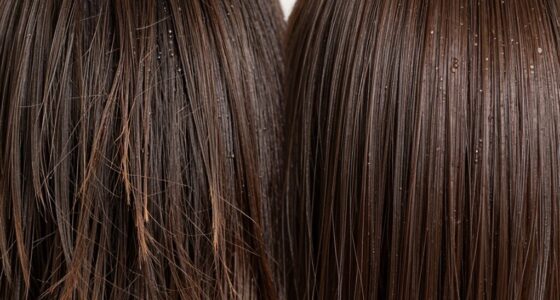
A squeaky clean feeling might seem like your hair is truly clean, but it can actually mean you’re over-washing and stripping your scalp’s natural oils. This can cause irritation, dryness, and even lead to more oil production to compensate. Fine or sensitive scalps are especially vulnerable. Instead of chasing that squeaky sensation, focus on gentle products that maintain your scalp’s balance. Keep exploring to learn how to care for your hair without sacrificing its health.

Get beauty and skincare favorites delivered free — and shop member deals
- Fast, free delivery on millions of items
- Access to Prime Big Deal Days deals on October 6–7
- Prime Video, Amazon Music and more included
Key Takeaways
- A squeaky clean feeling may indicate over-cleansing, which can strip natural oils and cause scalp irritation.
- Frequent washing can disrupt the scalp’s oil balance, leading to increased oil production and greasiness.
- Over-washing fine hair can make it appear flat and lifeless, rather than healthy and voluminous.
- Using gentle, hydrating shampoos helps maintain moisture and supports scalp health without over-stripping oils.
- Adjusting washing frequency based on hair texture and scalp sensitivity promotes balanced, healthy hair.

There’s nothing quite like the feeling of truly squeaky clean hair, where every strand feels fresh, light, and invigorated. That sensation of cleanliness often makes you think your hair is perfectly healthy, but sometimes, it’s a sign that you’ve gone too far. When your hair feels overly squeaky, it can actually mean you’ve stripped away too much of your scalp’s natural oils, which isn’t ideal for everyone. If you have scalp sensitivity, this sensation can be especially uncomfortable, leaving your scalp feeling tight, irritated, or itchy. The harshness of certain shampoos or over-washing can disrupt your scalp’s delicate balance, leading to increased sensitivity and discomfort. Understanding your scalp’s natural oils and how they influence hair health can help you develop a gentler routine. Your hair texture also plays a significant role in how you experience that squeaky clean feeling. Fine or thin hair might seem to benefit from thorough cleansing, but excessive washing can make it look flat and lifeless. Conversely, those with thicker or curly hair might find that overly stripping their scalp causes frizz or dryness, reducing their hair’s natural bounce and texture. The key is understanding your hair’s unique needs and adjusting your routine accordingly. A gentle, hydrating shampoo may leave you feeling clean without sacrificing moisture, helping you maintain a healthy scalp and ideal hair texture.
You might think that the more you wash, the cleaner your hair gets, but that’s not always true. Over-washing can lead to a cycle where your scalp produces more oil to compensate for the loss, which can make your hair greasy sooner and force you into a never-ending routine. Instead, consider washing less frequently, especially if your scalp is sensitive. When you do wash, opt for products formulated for sensitive scalps or those that balance oil production without stripping essential moisture. Being aware of your scalp’s natural oil balance can help prevent damage and maintain a healthy scalp environment. Proper hair care and understanding your scalp’s needs can help you avoid unnecessary damage and maintain healthy hair. This way, you can enjoy that fresh feeling without the negative side effects.
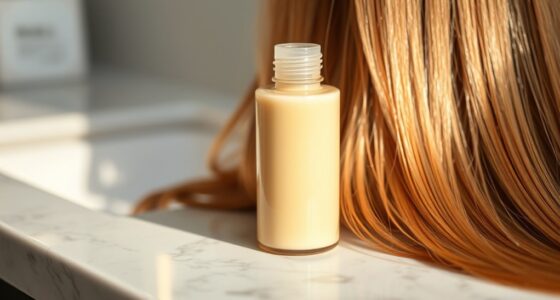
gentle hydrating shampoo for sensitive scalp
As an affiliate, we earn on qualifying purchases.
As an affiliate, we earn on qualifying purchases.
Frequently Asked Questions
Can Washing Hair Too Often Damage Scalp Health?
Yes, washing your hair too often can damage scalp health. It strips natural oils, leading to scalp dryness and increasing the risk of hair irritation. When your scalp becomes dry, it can cause flakiness and discomfort, which may worsen over time. To maintain a healthy scalp, find a washing routine that balances cleanliness with oil preservation, avoiding excessive washing that could compromise your scalp’s natural barrier.
Does Shampoo Type Affect Lingering Residue?
Shampoo type considerably impacts lingering residue. You might notice that sulfates, common in many shampoos, leave behind chemical buildup, causing dullness and scalp irritation. Opting for gentle, sulfate-free formulas helps with residue removal, revealing clean, refreshed hair. Choosing the right shampoo minimizes unwanted buildup, maintains scalp health, and guarantees your hair feels fresh without the harsh, squeaky sensation. Always read labels and select products suited to your hair’s unique needs for best results.
Are Natural Oils Necessary for Healthy Hair?
Natural oils are essential for healthy hair because they maintain natural oil balance and aid in sebum regulation. When your scalp produces enough sebum, it keeps your hair moisturized and protected. Skipping oils or over-cleansing can disrupt this balance, leading to dry or greasy hair. To keep your hair healthy, focus on balancing oil production through gentle cleansing and nourishing treatments, ensuring your scalp stays well-hydrated and sebaceous functions remain ideal.
How Does Water Temperature Impact Cleanliness?
You turn up the heat, imagining your hair’s at a spa, but hot water’s actually stripping away your natural oils. Cold water leaves your scalp feeling fresh, yet may not remove stubborn dirt. Water mineralization and pH levels matter—hard water with high mineral content and imbalanced pH can make hair feel grimy or squeaky. Opt for lukewarm water with balanced pH for a cleaner, healthier feel—without the soap opera.
Can Hair Texture Influence the Squeaky Feeling?
Yes, hair texture influences that squeaky feeling. If you have high porosity hair, it might feel squeaky because your hair loses moisture quickly, leading to a tighter, more rigid texture. Conversely, textured or curly hair can feel less squeaky due to natural oils and porosity levels that affect texture enhancement. Experimenting with moisturizing and balancing products can help you achieve the desired feel without over-stripping natural oils.
Conclusion
Think of your scalp as a delicate garden. When you scrub too hard for that squeaky-clean feeling, it’s like ripping out precious flowers in your haste. True cleanliness isn’t about harsh scrubbing; it’s about nurturing gentle care. Your hair deserves kindness, not a harsh storm. When you listen to your scalp’s needs, you’re tending a vibrant garden, letting it flourish naturally. Embrace balance, and your hair will bloom with health and trust.
Fall Picks
fall essentials
As an affiliate, we earn on qualifying purchases.