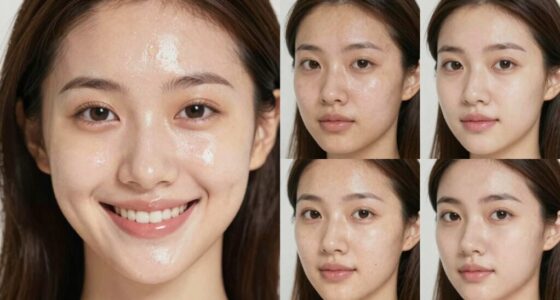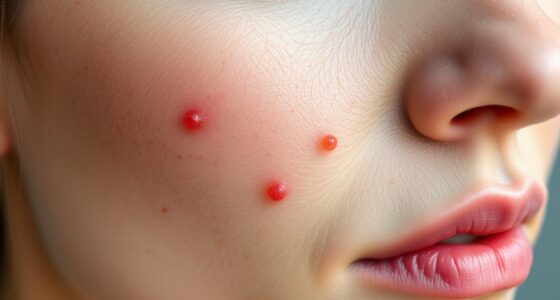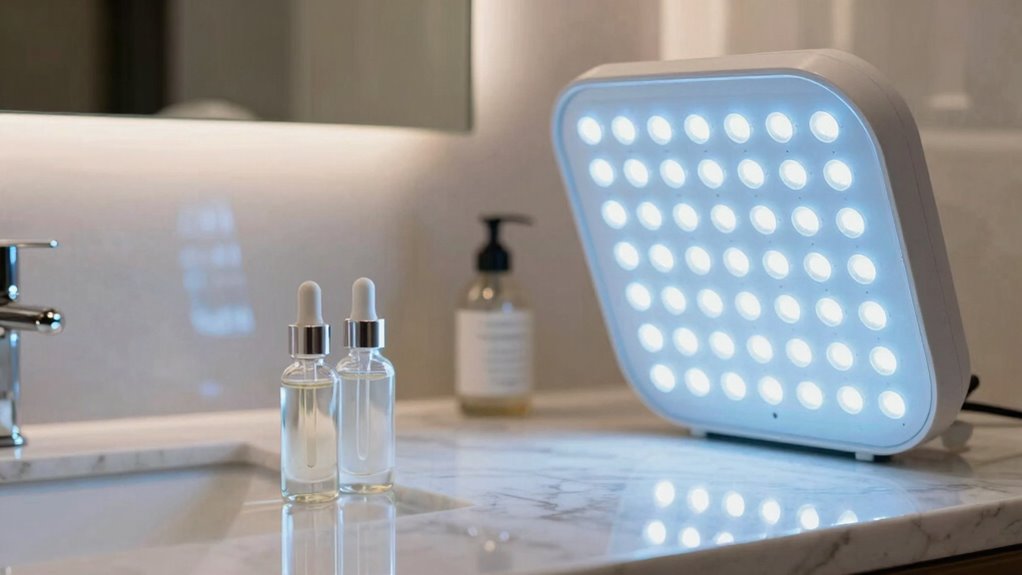

You can use LED devices with retinoids, but you need to be careful to avoid irritation. Since retinoids can make your skin more sensitive, it’s best to alternate their use—apply retinoids at night and use LED treatments during the day. Always check your device instructions and try patch testing first. If you notice redness or discomfort, stop and give your skin time to recover. To find out more tips for safe, effective skincare, keep exploring these guidelines.

Get beauty and skincare favorites delivered free with Prime
- Fast, free delivery on millions of items
- Prime Video, Amazon Music and more included
- Member-only deals all year
Key Takeaways
- Consult device instructions and a skincare professional before combining LED therapy with retinoids.
- Use retinoids at night and LED treatments during the day to minimize irritation.
- Always perform a patch test to assess skin sensitivity before combined use.
- Avoid using LED devices immediately after applying retinoids or during high skin sensitivity.
- Monitor skin reactions closely and stop treatments if redness, burning, or peeling occur.
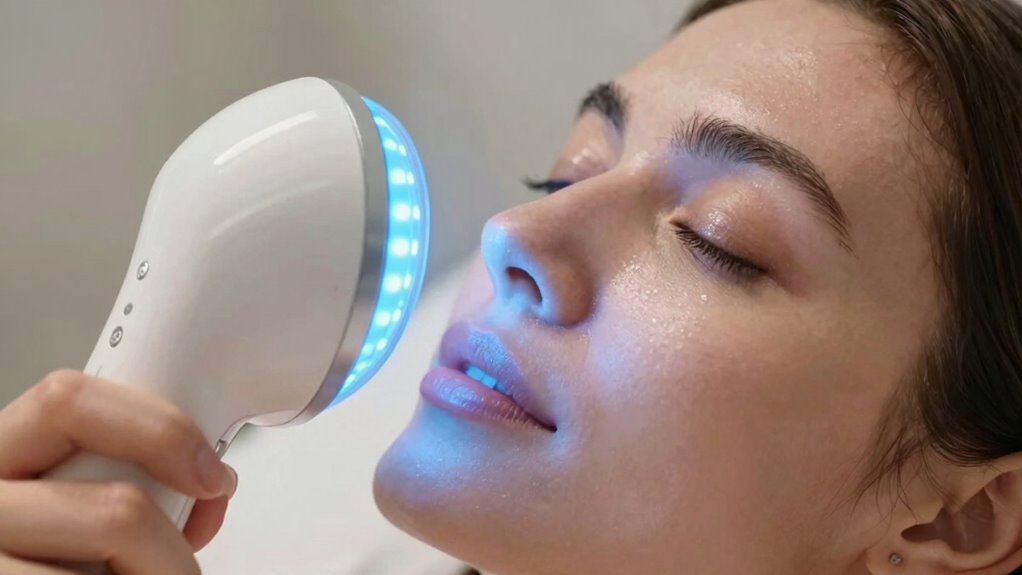
As LED devices and retinoids become increasingly popular in skincare routines, understanding how to use them safely is essential. Many skincare enthusiasts wonder if they can combine these treatments or if they should keep them separate. The truth is, while both offer impressive benefits, combining them without proper knowledge can lead to skin sensitivity or irritation. The key is knowing about skin sensitivity and device compatibility to prevent adverse reactions.
Retinoids are powerful ingredients that promote cell turnover and improve skin texture, but they can also cause dryness, redness, and sensitivity, especially when you’re just starting. LED devices, on the other hand, use specific wavelengths of light to target issues like acne, inflammation, or signs of aging. These devices are generally safe, but their compatibility with retinoids depends on your skin’s current condition and your device’s specifications. Some LED devices are gentle and suitable for use alongside retinoids, while others may be too intense, increasing the risk of irritation.
If you’re considering using LED devices and retinoids together, it’s crucial to first evaluate your skin’s sensitivity. If your skin is already reactive or prone to redness, combining these treatments might worsen irritation. In such cases, it’s better to alternate their use rather than apply both simultaneously. For example, you might use retinoids at night and LED treatments during the day or on alternate days. This approach minimizes the risk of over-stimulating your skin and helps you gauge how your skin responds to each treatment. Additionally, understanding your skin’s tolerance levels is essential for safe and effective skincare routines. Recognizing your skin’s reactivity can help prevent overuse of potent ingredients and devices.
Device compatibility is another critical factor. Not all LED devices are created equal; some are designed for home use with lower intensities, while professional-grade devices deliver higher energy levels. Check your device’s instructions and consult with a dermatologist or skincare professional if you’re unsure whether it’s safe to use with retinoids. Some devices may recommend avoiding use immediately after applying retinoids or during periods of heightened skin sensitivity. It’s also helpful to research device safety guidelines to ensure you’re using the technology correctly and reducing potential risks. Following these guidelines ensures you’re not overloading your skin’s capacity to recover and adapt.
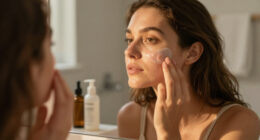
Listening to your skin is vital. If you notice increased redness, burning, or peeling, stop using both treatments and give your skin time to recover. Always apply a gentle moisturizer and use broad-spectrum sunscreen during the day, especially when combining potent treatments like retinoids and LED therapy. Remember, effective skincare isn’t about rushing; it’s about understanding your skin’s needs and respecting its limits. By paying attention to skin sensitivity and device compatibility, you can safely enjoy the benefits of both LED devices and retinoids without risking irritation or damage.
LED skincare device for sensitive skin
As an affiliate, we earn on qualifying purchases.
As an affiliate, we earn on qualifying purchases.
Frequently Asked Questions
Can LED Therapy Enhance Retinoid Effectiveness?
Yes, LED therapy can enhance retinoid effectiveness by promoting better retinoid absorption into your skin. The gentle heat and light from LED devices boost circulation and stimulate cell activity, making your retinoids work more efficiently. Just guarantee LED device safety by avoiding overly intense treatments and waiting a few minutes after applying retinoids. This way, you maximize benefits without risking irritation or diminishing your skincare results.
Are There Specific LED Wavelengths Better for Retinoid Users?
Blue and red LED wavelengths are best for retinoid users, as they target acne and boost collagen without risking skin irritation. Blue LED, around 415 nm, is effective for acne-prone skin, while red LED, near 630 nm, promotes healing and anti-aging. These LED colors are generally safe for retinoid users, but you should still follow recommended usage and consult a dermatologist to guarantee wavelength safety and peak results.
How Often Should I Use LED Devices With Retinoids?
You should start by using LED devices with retinoids 2-3 times a week, gradually increasing as your skin gets used to both. Consistency is key in skincare routines, but don’t overdo it—your skin needs time to recover and stay hydrated. Keep a close eye on how your skin reacts, and remember, a little patience goes a long way in achieving that glow you’re after without risking irritation.
Do LED Devices Cause Skin Sensitivity When Combined With Retinoids?
Yes, LED devices can cause skin sensitivity when combined with retinoids. Skin irritation may occur because both treatments increase skin’s sensitivity, especially to light and heat. To guarantee device compatibility and minimize irritation, start with shorter sessions and observe how your skin reacts. Always consult with a dermatologist before combining these treatments, and avoid excessive use to prevent potential skin sensitivity and irritation.
Can LED Devices Replace Traditional Skincare Treatments With Retinoids?
LED devices can’t fully replace traditional skincare treatments with retinoids, as each targets different skin issues. Think of it like comparing a paintbrush to a roller—they serve unique roles. While LED therapy offers skin benefits and device safety, retinoids remain essential for specific concerns like wrinkles or acne. For best results, incorporate both under professional guidance, ensuring skin compatibility and avoiding over-treatment. Combining methods often yields the most glowing outcome.
Conclusion
Using LED devices with retinoids can be safe if you follow proper precautions. Always start with lower intensities and consult your dermatologist. Did you know that 60% of skincare users experience irritation when combining potent treatments without guidance? By being cautious and informed, you can enjoy the benefits of both LED therapy and retinoids safely, enhancing your skin’s health without risking irritation. Remember, patience and proper care are key to achieving the best results.
Halloween Picks
halloween
As an affiliate, we earn on qualifying purchases.