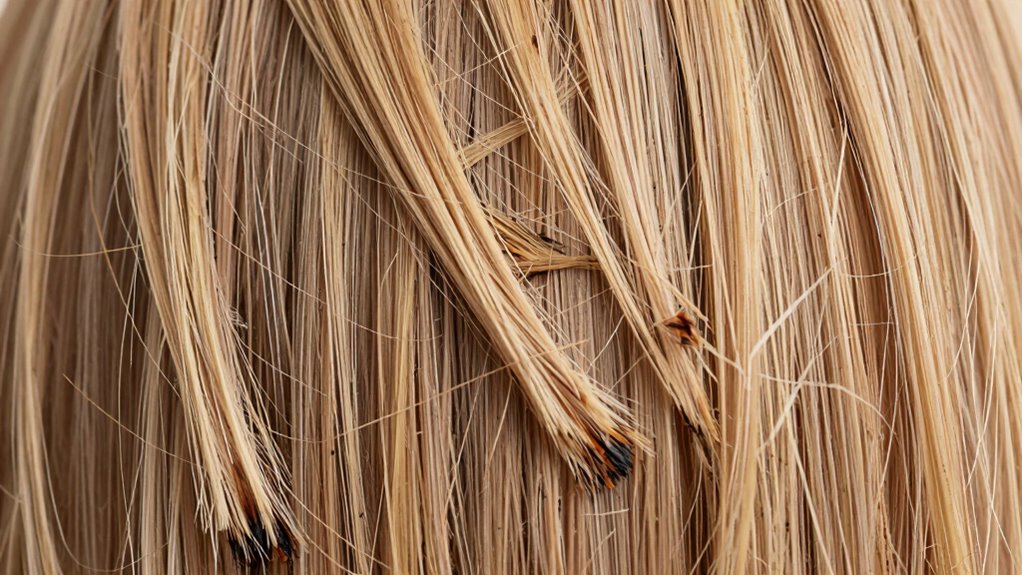

Heat styling damage can start before you notice any visible signs, often during routine styling sessions. Excessive or improper use of heat tools and not protecting your hair can silently weaken the cortex and cuticle layers over time. Your hair’s vulnerability depends on porosity, making damage happen sooner if your hair is more porous. If you want to learn how to protect your hair effectively and prevent early damage, keep going.

Get beauty and skincare favorites delivered free with Prime
- Fast, free delivery on millions of items
- Prime Video, Amazon Music and more included
- Member-only deals all year
Key Takeaways
- Damage can begin before visible signs appear, often unnoticed until significant harm has occurred.
- Excessive heat and improper use of styling tools increase early damage risk.
- Hair porosity influences vulnerability, with high porosity hair more prone to early heat damage.
- Using heat protection products properly can prevent early cortex and cuticle damage.
- Frequent heat styling without breaks accelerates cumulative damage, often before visible issues show.
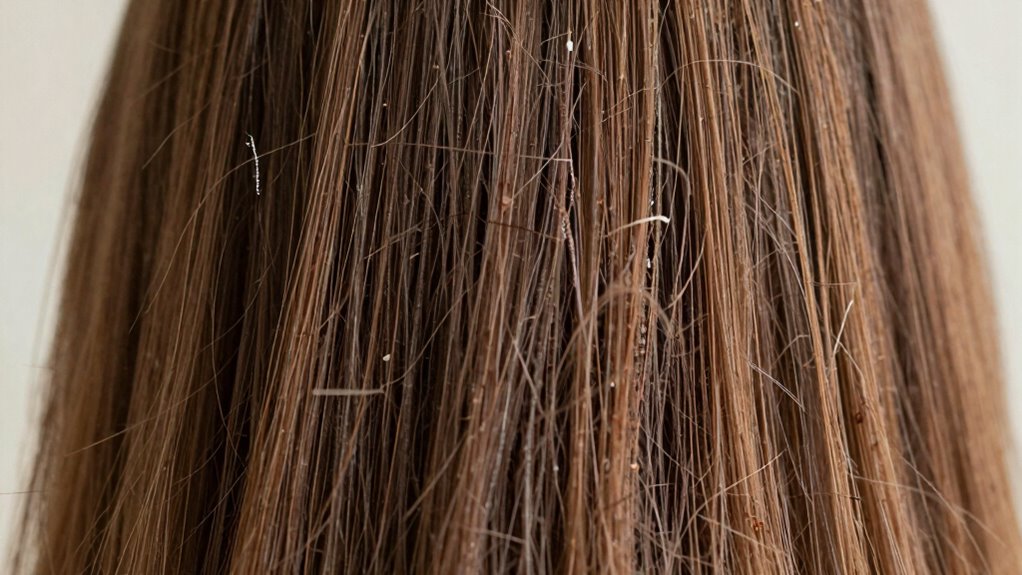
Heat styling tools can give your hair a sleek, polished look, but they also pose a key risk of damage if used excessively or improperly. Many people believe damage only happens after years of frequent heat styling, but the truth is, it starts much earlier. Your hair’s vulnerability depends largely on its porosity—the ability of your hair to absorb and retain moisture. If your hair has high porosity, it’s more prone to damage because the cuticles are already open and less protective. Low porosity hair, on the other hand, tends to resist moisture, making it harder to style but also less susceptible to immediate heat damage. Understanding your hair porosity helps you determine how much heat it can handle without suffering long-term harm.
Knowing your hair porosity helps prevent heat damage and keeps your strands healthy longer.
Using heat protection products is vital, especially if you regularly style your hair with hot tools. These products act as a barrier, reducing the direct contact of high temperatures with your strands. But many people underestimate the importance of heat protection or neglect to apply it properly. Applying a heat protectant evenly throughout your hair ensures that each strand is shielded, which can substantially reduce damage. Keep in mind that even with heat protection, timing matters. Apply the product before heating your hair and avoid excessive repetition of heat styling in a short period. Over time, repeated heat exposure weakens the hair’s cortex and cuticle layers, leading to dryness, breakage, and split ends—damage that often starts well before you notice visible signs. Additionally, hair porosity plays a significant role in how your hair responds to heat, as higher porosity can cause more rapid damage. Using tools with temperature control can further help in customizing heat levels for different hair types and minimizing harm.
Another often overlooked aspect is the temperature setting itself. High heat settings may cut down styling time but dramatically increase the risk of damage. If you have fine or damaged hair, you should keep the temperature lower and limit heat styling sessions. Using a thermostat or selecting a lower temperature setting on your tools can make a big difference in preserving your hair’s health. Proper technique also involves being mindful of heat distribution, ensuring that heat is evenly applied across sections to prevent hotspots that can cause localized damage. Holding a hot tool in one spot for too long or using excessive heat on damp hair amplifies damage, regardless of your hair’s porosity. Giving your hair time to cool down between sections and avoiding unnecessary heat applications can help prevent early damage. It’s also helpful to monitor heat damage regularly to catch early signs before it worsens. Additionally, understanding heat damage mechanisms can help you recognize the early signs and take preventative steps before long-term harm occurs.
In essence, understanding your hair’s porosity, consistently using heat protection, and managing your heat settings can help you avoid damage that often begins sooner than you think. Protecting your hair from the start not only keeps it healthier longer but also maintains your styling versatility without sacrificing the integrity of your strands.
Products Worth Considering

Hyperice Hypervolt 3 Percussion Massage Gun with Heated Head and Premium Carry Case

Garmin Forerunner 55 GPS Running Smartwatch, Black

Therabody Theragun Relief Massage Gun, 3-Speed, Black
As an affiliate, we earn on qualifying purchases.
Frequently Asked Questions
Can Heat Damage Occur From Blow-Drying Alone?
Yes, heat damage can happen from blow-drying alone, especially if you use high heat settings or dry your hair frequently. Heat exposure weakens the hair’s structure, leading to dryness and breakage. To prevent damage, you should use heat protectant sprays and opt for lower heat settings. Proper damage prevention involves limiting heat exposure and giving your hair regular breaks from styling tools.
How Often Should I Give My Hair a Heat Break?
You should give your hair a heat break at least once a week to prevent damage, as studies show frequent heat styling can weaken hair strands over time. Many heat styling myths downplay this risk, but good hair health tips emphasize regular breaks. By limiting heat exposure, you protect your hair’s integrity, maintain shine, and reduce breakage. Incorporate cool air or air-drying as healthier alternatives to keep your hair vibrant and strong.
Does Hair Type Affect Heat Damage Susceptibility?
Yes, your hair type affects how prone you are to heat damage. For example, high porosity hair absorbs moisture quickly, making it more vulnerable to heat damage, while low porosity hair resists heat better. Curl pattern also plays a role—looser curls tend to be less susceptible, but tighter curls can be more fragile. You should adjust your heat styling routine based on these factors to protect your hair effectively.
Are There Natural Remedies to Repair Heat Damage?
Yes, natural remedies can help repair heat damage. You should try herbal treatments like aloe vera or chamomile to soothe and strengthen your hair. Oil masks, such as coconut or argan oil, deeply nourish and restore moisture, reducing brittleness. Regularly applying these remedies can improve your hair’s health over time, making it look shinier and less prone to breakage, even after heat styling mishaps.
Can Heat Protectants Prevent All Types of Heat Damage?
Heat protectants can considerably reduce the risk of damage, but they don’t work magic. Their effectiveness depends on product ingredients and proper application, like evenly coating your hair. Styling techniques also matter—using lower heat settings and limiting how often you style can help preserve your hair’s health. While protectants are a smart step, combining them with gentle styling practices offers the best defense against heat-related harm.
Conclusion
As you chase those sleek, shiny locks, remember that heat styling is like playing with fire—you might get the glow, but it can also leave your hair singed and brittle. Think of each heat tool as a fiery sword; the more you wield it without caution, the more you risk warping your hair’s natural strength. Treat your strands like delicate glass, and give them a break before they shatter under the heat’s relentless touch.