
A fancy “spa shower” won’t fix your hair issues if you have hard water because mineral buildup from calcium and magnesium damages hair and skin, clogging filters and reducing water flow. Without proper filtration, these minerals stay in the water, causing dryness, dullness, and breakage. To truly improve your shower experience, you need a high-quality filtration system tailored to your water’s mineral content. Keep going to find out how specific solutions can make a real difference.

Get beauty and skincare favorites delivered free with Prime
- Fast, free delivery on millions of items
- Prime Video, Amazon Music and more included
- Member-only deals all year
Key Takeaways
- Spa shower features focus on aesthetics and water effects, not on removing mineral buildup caused by hard water.
- Hard water minerals can still deposit on hair, causing dryness, dullness, and damage, regardless of shower design.
- Effective hair and skin benefits require specialized filtration systems that target and neutralize minerals in water.
- Many shower systems lack the filtration technology necessary to address mineral buildup from hard water.
- Choosing a filtration system with tailored, multi-stage mineral removal improves hair health and overall shower experience.
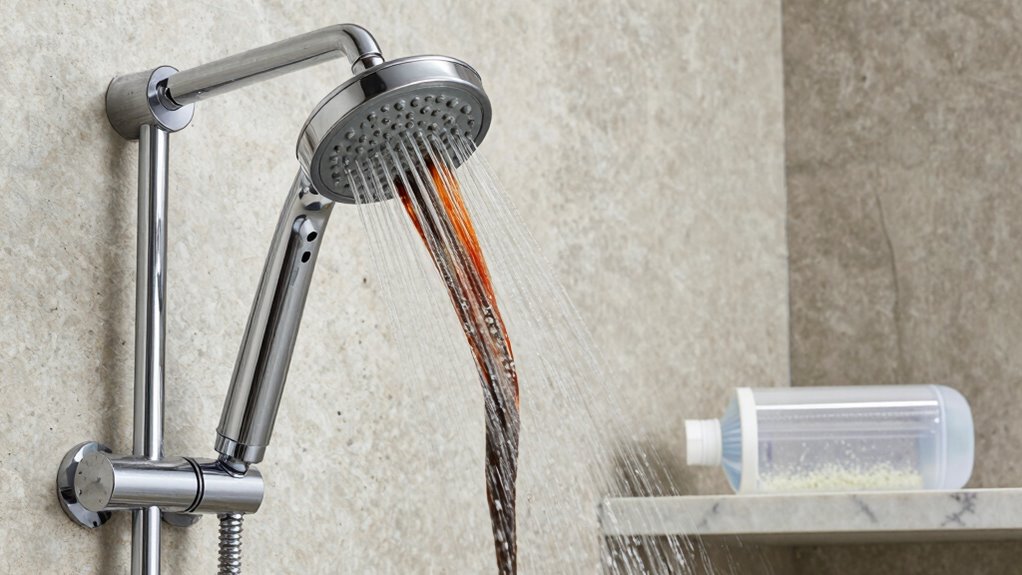
Have you ever wondered how tough water affects your shower experience? When water contains high levels of minerals like calcium and magnesium, it’s called hard water. This mineralization changes how water feels, how it interacts with your skin and hair, and even how your shower functions. Even if a shower system advertises a “spa” experience, it doesn’t necessarily mean your hair will look or feel better afterward. That’s because the core issue isn’t just about the water’s temperature or pressure, but the water quality itself. Hard water leaves mineral deposits on your skin and hair, making them feel dry and dull over time. It can also clog your showerhead and reduce water flow, which diminishes the overall shower experience. To combat this, many people turn to shower systems that utilize advanced filtration technology. These systems are designed to address water mineralization directly, removing or neutralizing dissolved minerals before they reach your skin and hair. The best filtration technology often involves multi-stage filters that include activated carbon, KDF media, or specialty filters tailored to reduce mineral content. This process drastically improves water quality, making your shower feel softer and more luxurious. But it’s important to understand that not all shower systems are created equal. Some focus solely on adding features like massage jets or rainfall effects, but neglect the importance of water quality. When your goal is to improve your hair health and skin condition, you need a system that reduces mineralization rather than just changing the water’s temperature or pressure. Hard water’s effects are subtle but cumulative, leading to hair that’s brittle, prone to breakage, and difficult to manage. Shower systems with effective filtration technology can help, but only if they specifically target water mineralization. A good filter reduces mineral buildup on your scalp and hair strands, helping your hair retain moisture and shine. It also minimizes soap scum and mineral stains on your skin, leaving you feeling cleaner and refreshed. Remember, a “spa shower” isn’t just about the aesthetics or the water flow; it’s about the water quality itself. Investing in a shower system that addresses hard water through proper filtration technology can drastically improve your shower experience. It won’t magically fix all hair problems, but it will make a noticeable difference in how your hair feels and looks, without the false promise that a fancy shower head alone can deliver. In the end, understanding water mineralization and choosing the right filtration system is key to truly enjoying a healthier, more satisfying shower every day. Additionally, understanding the specific water mineralization in your area can help you select the most effective filtration solution for your needs. A comprehensive water analysis can provide valuable insights into your water’s mineral content, guiding your choice of filtration technology. Recognizing the impact of minerals on your water quality is essential for making informed decisions about your shower setup. Moreover, selecting a system with customizable filtration options allows you to tailor the treatment to your specific water conditions for optimal results.
Products Worth Considering

Oral-B iO Series 5 Rechargeable Electric Toothbrush with Travel Case and 3 Brush Heads, Black

LEVOIT Vital 100S-P Smart Air Purifier with Washable Pre-Filter

Oral-B iO Series 3 Rechargeable Electric Toothbrush for Adults, Black, with 2 Brush Heads and Travel Case
As an affiliate, we earn on qualifying purchases.
Frequently Asked Questions
Can Shower Systems Completely Eliminate Hard Water Deposits?
No, shower systems can’t completely eliminate hard water deposits, but they can considerably reduce them through water softening. These systems work by removing minerals that cause buildup, helping prevent deposits on your showerhead and hair. However, some mineral residue might still occur over time. Regular maintenance and using high-quality filters can improve deposit prevention, but total elimination is unlikely unless you supplement with additional water treatment methods.
Are Spa Showers Suitable for Sensitive Skin?
Yes, spa showers can be suitable for sensitive skin, especially if they feature gentle water pressure and filtration. They often reduce skin irritation by removing harsh minerals and chemicals, making your shower experience more comfortable. However, if you have very sensitive skin, look for models with specific filters designed to minimize skin irritation. Always test a new shower system carefully to guarantee it doesn’t cause any adverse reactions.
How Often Should Hard Water Filters Be Replaced?
You should replace your hard water filter every 6 to 12 months, depending on water usage and quality. This is essential because mineral buildup can turn your water pH into a battle zone, affecting your skin and hair. Regular filter maintenance guarantees peak performance and prevents hard water damage. Don’t wait until your filter is clogged—stay ahead of mineral buildup for the best water quality and healthy hair.
Do All Shower Filters Remove Chlorine Effectively?
Not all shower filters remove chlorine effectively. Some filters focus on mineral retention, which may not target chlorine at all. To guarantee chlorine removal, choose filters specifically designed for that purpose. Regular filter maintenance is essential; neglecting it can reduce chlorine removal efficiency. Check product specs, replace filters as recommended, and stay proactive to keep your water clean and protect your hair and skin.
Can Hard Water Cause Long-Term Damage to Plumbing?
Hard water can cause long-term damage to your plumbing by leading to pipe corrosion and mineral buildup. Over time, these issues can restrict water flow, cause leaks, or even lead to pipe failure. You might notice reduced water pressure or clogs. To protect your plumbing, consider installing a water softener or a filtration system that reduces mineral deposits, helping extend the lifespan of your pipes and prevent costly repairs.
Conclusion
Remember, a spa shower might promise luxury, but it’s no magic fix for hard water’s damage. Think of your hair as a delicate garden—without proper care, harsh minerals can wither your roots and dull your shine. Installing a quality hard water filter is like planting a sturdy fence around your garden, protecting its beauty. Don’t be fooled by the spa’s allure; true hair health comes from smart choices and effective filtration.