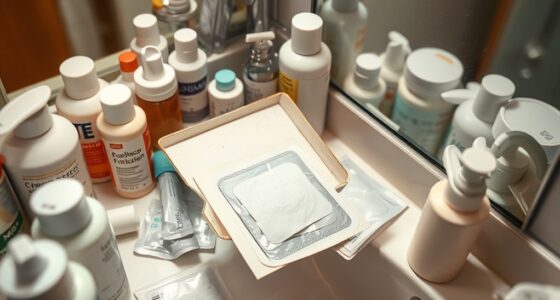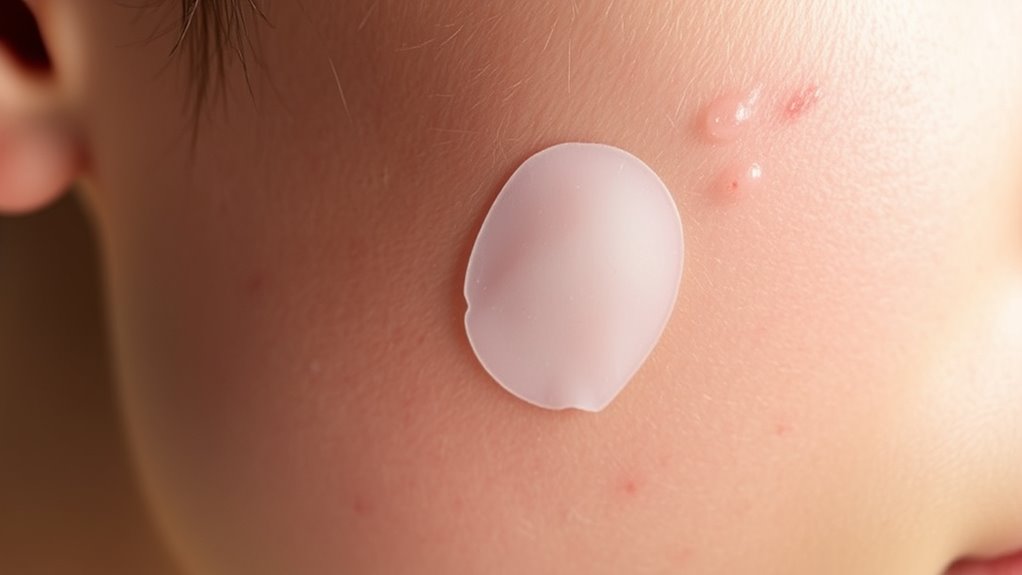

You should avoid placing an acne patch on inflamed, broken, or sensitive skin because it can worsen irritation or cause further damage. Avoid using patches over open wounds, cuts, or raw patches since they can trap bacteria and delay healing. If your skin becomes irritated or reacts negatively, stop using the patch immediately. If your skin is already inflamed, applying a patch may do more harm than good. Keep exploring for tips on proper patch use and skin care.

Get beauty and skincare favorites delivered free — and shop member deals
- Fast, free delivery on millions of items
- Access to Prime Big Deal Days deals on October 6–7
- Prime Video, Amazon Music and more included
Key Takeaways
- Do not apply on inflamed, broken, or raw skin to prevent infection and further irritation.
- Avoid using on deep cystic pimples, as patches are ineffective for deep-rooted cysts.
- Refrain from using on sensitive skin with existing irritation or redness to prevent worsening reactions.
- Do not use if you have known allergies to ingredients or adhesives in the patch.
- Avoid applying on open wounds, cuts, or raw patches to reduce risk of infection and tissue damage.
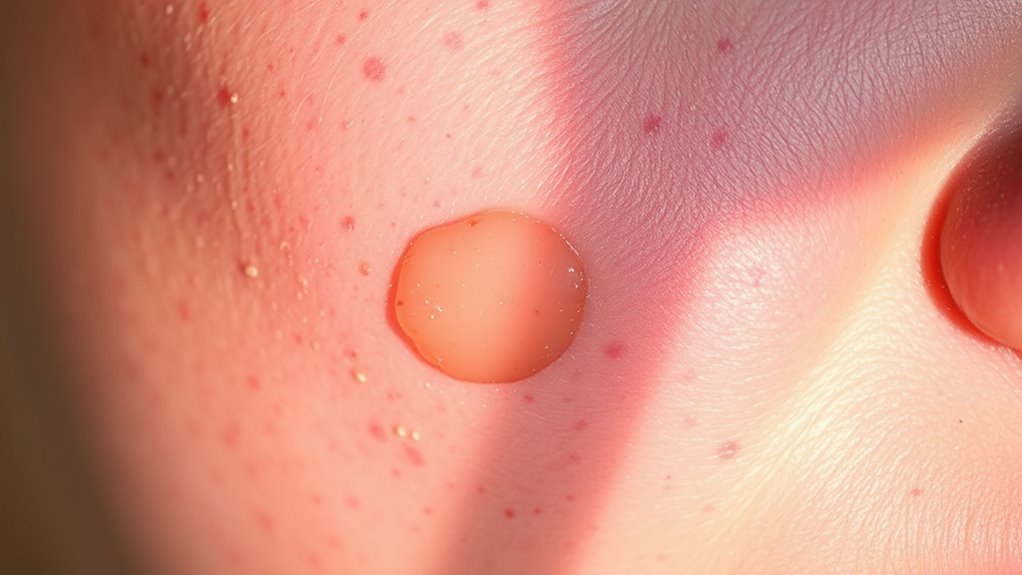
Acne patches can be effective for treating certain blemishes, but there are times when using them isn’t the best choice. If you have sensitive skin, you need to be especially cautious. These patches often contain medicated ingredients or adhesives that can irritate delicate skin, leading to redness, peeling, or even more breakouts. If your skin reacts negatively to adhesives or certain chemicals, applying an acne patch could do more harm than good. It’s essential to test a small area first and observe how your skin responds before using them on larger blemishes.
Another situation where you might want to hold off on using an acne patch is when dealing with deep cysts. These cystic pimples are rooted deep within your skin and are often swollen, painful, and resistant to surface treatments. Acne patches are designed primarily for surface-level spots, like whiteheads or small pustules. They tend to be ineffective against deep cysts because the medication or ingredients in the patch might not reach the core of the problem. Applying a patch to a deep cyst won’t drain or reduce it effectively, and in some cases, it can trap bacteria or pus beneath your skin, potentially worsening inflammation or causing scarring.
If your skin is already inflamed, irritated, or broken, applying an acne patch might not be advisable. For example, if you have open wounds, cuts, or raw patches from picking at pimples, sticking a patch over these areas can introduce bacteria and cause further infection. The adhesive can stick to broken skin, causing pain or pulling at delicate tissue. In such cases, it’s better to let your skin heal naturally and opt for soothing treatments that promote healing without the risk of infection.
Furthermore, if you notice your skin becoming more irritated or developing allergic reactions after using patches, it’s a clear sign to stop. Some patches contain fragrances, preservatives, or certain chemicals that might trigger allergic responses, especially if you have sensitive skin. If irritation persists or worsens, you should consult a dermatologist before continuing with patch treatments.
As an affiliate, we earn on qualifying purchases.
Frequently Asked Questions
Can Acne Patches Be Used on Open Wounds?
You shouldn’t use an acne patch on an open wound, as it can trap bacteria and delay healing. If the skin is broken or shows signs of a skin infection, the patch can worsen the problem by sealing in bacteria and moisture, leading to further irritation or infection. Always avoid applying acne patches on open wounds to prevent complications, and consult a healthcare professional for proper wound care.
Are Acne Patches Safe for Sensitive Skin Types?
Yes, acne patches can be safe for sensitive skin types, but you should be cautious. If you’re worried about skin irritation or allergic reactions, choose patches labeled “hypoallergenic” and do a patch test first. Some sensitive skin may react to certain adhesives or ingredients, so monitor your skin closely. If irritation occurs, remove the patch immediately and consult a dermatologist to find options suited for your skin.
How Long Can I Leave an Acne Patch On?
You can typically leave an acne patch on for about 6 to 8 hours, but don’t keep it on too long. Extended use might cause pore clogging or skin irritation, especially if your skin is sensitive. Check the patch regularly, and replace it if you notice redness or discomfort. Removing it promptly prevents potential skin irritation and helps your skin breathe, reducing the risk of pore clogging.
Can I Wear Makeup Over an Acne Patch?
Did you know that 45% of people wear makeup daily? You can wear makeup over an acne patch, but it’s tricky. Make sure you apply a light layer of makeup, avoiding the patch directly, to prevent clogging and reduce the risk of irritation. Be cautious with cosmetic layering, as heavy makeup can interfere with the patch’s effectiveness and prolong healing. Always remove makeup gently before reapplying a new patch.
Do Acne Patches Work on Cystic Acne?
Acne patches generally don’t work well on cystic acne because it’s deeper and more inflamed. For cystic acne treatments, you should rely on topical medications prescribed by a dermatologist, like corticosteroids or retinoids. Acne patches are better suited for surface blemishes, not deep cysts. Using a patch on cystic acne might trap bacteria and worsen inflammation, so it’s best to seek targeted treatments for these deeper breakouts.
Conclusion
So, next time you consider slapping on an acne patch, remember there are times it’s just not the right move—like when your pimple is deep or inflamed. Don’t be your own Dr. Frankenfurter, trying to fix everything with a quick fix. Sometimes, patience and the right treatment are your best friends. Keep in mind, even in this age of tech, some skin issues still need a gentle touch, not a gadget.
Fall Picks
fall essentials
As an affiliate, we earn on qualifying purchases.