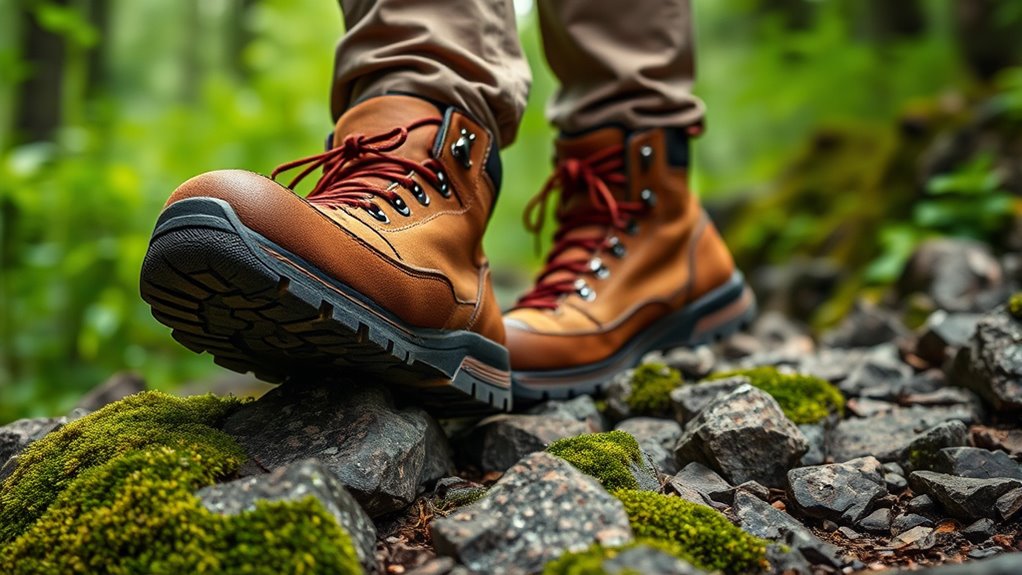

For premium hiking boots for rugged trails, I would start with the Kenetrek Hardscrabble Hiker for demanding terrain, the Danner Mountain 600 EVO for a lighter, waterproof option, and the ASOLO TPS 535 LTH V EVO for a more supportive leather build. These boots suit different priorities: stability and protection, lower weight and walking comfort, or a structured, durable platform. The main tradeoff is how much support and weather protection you want to carry against weight, break-in time, and flexibility. A stiffer boot can feel reassuring under a loaded pack but less nimble on everyday hikes. Read on for the full comparison and a guide to matching a boot to your routes.

Get beauty and skincare favorites delivered free with Prime
- Fast, free delivery on millions of items
- Prime Video, Amazon Music and more included
- Member-only deals all year
Complete the kit


Key Takeaways
- The lineup splits between supportive boots for rough, loaded hikes, such as the Kenetrek Hardscrabble Hiker, and lighter-feeling choices like the Danner Mountain 600 EVO.
- The ASOLO TPS 535 LTH V EVO and Kenetrek models make the most sense for hikers prioritizing structure and durability over an easy, flexible feel.
- Waterproofing appears across many picks, but a waterproof boot can feel warmer and take longer to dry inside after water enters over the collar.
- The Danner Mountain 600 family offers several distinct choices; compare the EVO, ID Gore-Tex, and standard Mountain 600 by their specific construction rather than assuming the shared name means identical use.
- The two Timberland Mt. Maddsen entries are the same listed model, so buyers should treat them as a duplicate, not as two separate performance alternatives.
| Timberland Men’s Mt. Maddsen Waterproof Hiking Boots |  | Best for Everyday Wet-Trail Hiking | Upper: Waterproof premium leather | Lining: ReBOTL fabric | Sole: Rubber | VIEW ON AMAZON | See Our Full Breakdown |
| Merrell Men’s Moab 3 Mid Hiking Boot |  | Best for Dry-Trail Comfort | Upper: Pigskin leather and mesh | Water resistance: Not water resistant | Outsole: Vibram TC5+ rubber | VIEW ON AMAZON | See Our Full Breakdown |
| Kenetrek Men’s Bridger High Hiking Boots |  | Best for Lightweight Ankle Support | Upper: Leather | Shaft height: 7 inches | Weight: 2.9 pounds per pair | VIEW ON AMAZON | See Our Full Breakdown |
| Kenetrek Men’s Hardscrabble Hiker Hiking Boots |  | Best for Heavy-Load Trekking | Material: 100% leather | Lining: Synthetic | Sole: Rubber | VIEW ON AMAZON | See Our Full Breakdown |
| Danner Skyridge Hiking Boots for Men – Waterproof, Durable Suede & Cotton Ripstop Upper, Breathable Lining, Comfort Footbed & Traction Outsole |  | Best for Trail-to-Town Versatility | Fabric: 100% leather and textile | Sole: Rubber | Shaft height: Ankle | VIEW ON AMAZON | See Our Full Breakdown |
| Columbia Men’s Transverse Hike Waterproof Boots |  | Best Lightweight Pick | Upper: Leather and mesh | Waterproof technology: OMNI-TECH | Impact absorption: TECHLITE | VIEW ON AMAZON | See Our Full Breakdown |
| Danner Men’s Mountain 600 EVO 4.5″ Hiking Boot – Waterproof GORE-TEX Leather, Vibram Megagrip Traction, OrthoLite Footbed |  | Best Premium Recraftable Boot | Upper: Full-grain leather | Waterproof lining: GORE-TEX | Sole: Vibram Megagrip | VIEW ON AMAZON | See Our Full Breakdown |
| ASOLO Men’s TPS 535 LTH V EVO Leather Hiking Boots |  | Best for Heavy Loads | Upper: Full-grain leather, 2.6–2.8 mm | Lining: Cambrelle | Midsole: Co-injected polyurethane | VIEW ON AMAZON | See Our Full Breakdown |
| Danner Men’s Mountain 600 ID Gore-Tex Hiking Boots – Waterproof, Durable, and Comfortable for All-Day Adventures |  | Best Flexible All-Day Option | Outer material: Nylon | Inner material: GORE-TEX | Water resistance: Waterproof | VIEW ON AMAZON | See Our Full Breakdown |
| Oboz Men’s Bridger Mid B-DRY Waterproof Hiking Boots |  | Best for Wet, Rocky Trails | Upper: Waterproof nubuck and durable textile | Waterproofing: B-DRY waterproof membrane | Shaft height: 4.5 inches | VIEW ON AMAZON | See Our Full Breakdown |
| Kenetrek Men’s Corrie II Hiker Hiking Boots |  | Best for Lightweight Support | Shaft height: 7 inches | Shaft circumference: 9 inches | Materials: Leather and nylon | VIEW ON AMAZON | See Our Full Breakdown |
| Danner Mountain 600 Men’s Hiking Boots |  | Best for Wet, Mixed Terrain | Waterproofing: Danner Dry barrier | Upper material: Full-grain leather or smooth suede | Shaft height: Ankle | VIEW ON AMAZON | See Our Full Breakdown |
| Timberland Men’s Mt. Maddsen Waterproof Hiking Boots | | Best for Cushioned Day Hikes | Sole material: Rubber | Shaft height: Ankle | Shaft circumference: 9.5 inches | VIEW ON AMAZON | See Our Full Breakdown |
| Timberland Men’s Flume Mid Waterproof Hiking Boot |  | Best for Simple Waterproof Coverage | Shaft height: Ankle | Shaft circumference: 9.25 inches | Upper material: Waterproof Timberland leather | VIEW ON AMAZON | See Our Full Breakdown |
| premium hiking boots for rugged trail | Shaft height | Midsole | Upper | Outsole |
|---|---|---|---|---|
| Timberland Men’s Mt. Maddsen W | 5 inches | — | Waterproof premium leather | — |
| Merrell Men’s Moab 3 Mid Hikin | — | Lightweight EVA foam | Pigskin leather and mesh | Vibram TC5+ rubber |
| Kenetrek Men’s Bridger High Hi | 7 inches | Full-length nylon | Leather | KT-Light high-traction |
| Kenetrek Men’s Hardscrabble Hi | 7 inches | — | — | — |
| Danner Skyridge Hiking Boots f | Ankle | EVA | — | Mountain Tread slip-resistant |
| Columbia Men’s Transverse Hike | Ankle | — | Leather and mesh | — |
| Danner Men’s Mountain 600 EVO | 4.5 inches | — | Full-grain leather | — |
| ASOLO Men’s TPS 535 LTH V EVO | Ankle | Co-injected polyurethane | Full-grain leather, 2.6–2.8 mm | ASOLO/Vibram Triple Power |
| Danner Men’s Mountain 600 ID G | — | Vibram SPE | — | Danner Plyolite |
| Oboz Men’s Bridger Mid B-DRY W | 4.5 inches | Single-density EVA | Waterproof nubuck and durable textile | — |
| Kenetrek Men’s Corrie II Hiker | 7 inches | 5mm nylon | — | Grapon rubber |
| Danner Mountain 600 Men’s Hiki | Ankle | Rubberized EVA | — | Vibram Fuga with Megagrip compound |
| Timberland Men’s Mt. Maddsen W | Ankle | — | — | — |
| Timberland Men’s Flume Mid Wat | Ankle | — | — | — |
More Details on Our Top Picks
Timberland Men’s Mt. Maddsen Waterproof Hiking Boots
The Mt. Maddsen is a practical pick for hikers who want waterproof leather and a cushioned, removable footbed without moving to a heavier trekking boot. Its gusseted tongue helps limit debris and water entry, while the rubber outsole and 5-inch shaft suit ordinary rough trails and day hikes. Compared with the Kenetrek Hardscrabble Hiker, it is a less substantial choice for carrying heavy loads or spending long stretches on severe terrain; the Timberland’s appeal is a more casual hiking-and-everyday balance. The tradeoff is that its shaft may feel restrictive, and laces take longer to manage than a slip-on design. I’d choose it for mixed-use waterproofing, not for maximum ankle structure or the most demanding backpacking routes.
Pros:- Waterproof leather and a gusseted tongue help keep water and trail debris out.
- Removable anti-fatigue footbed allows adjustment or replacement.
- Rubber outsole is suited to traction on rugged walking surfaces.
- Casual styling works for use beyond the trail.
Cons:- The 5-inch shaft may feel restrictive to some wearers.
- Lace-up closure takes more time to put on and remove.
- Less purpose-built for heavy-load trekking than the Kenetrek Hardscrabble Hiker.
Best for: Day hikers who want waterproof leather boots for muddy trails and casual wear between hikes.
Not ideal for: Hikers carrying heavy packs on prolonged, highly uneven routes who need more substantial support, or anyone who dislikes a higher lace-up shaft.
- Upper:Waterproof premium leather
- Lining:ReBOTL fabric
- Sole:Rubber
- Shaft height:5 inches
- Closure:Lace-up
- Waterproof:Yes
- Footbed:Removable anti-fatigue footbed
Our verdict“Choose the Mt. Maddsen for waterproof day hikes and casual versatility, but pick a more supportive trekking boot for heavy loads and extended rugged routes.”
Merrell Men’s Moab 3 Mid Hiking Boot
The Moab 3 Mid prioritizes underfoot comfort and grip, pairing a cushioned EVA midsole with a contoured removable insole and Vibram TC5+ outsole. The Air Cushion in the heel adds shock absorption, a useful combination for hikers who spend hours on firm, dry trails. Compared with the waterproof Timberland Mt. Maddsen, this Merrell is the better fit when cushioning and traction matter more than keeping water out: its listed upper materials are leather and mesh, and it is not water resistant. The mesh construction and recycled laces, webbing, and lining suit buyers who value breathability and recycled components, but they do not make it a strong choice for rain or wet crossings. Its bulkier build also feels less at home in urban use than a lighter-looking casual boot.
Pros:- Vibram TC5+ outsole provides a trail-focused grip platform.
- Removable contoured insole and EVA midsole support comfort over long walks.
- Heel Air Cushion is designed to absorb shock and add stability.
- Recycled mesh lining, laces, and webbing reduce reliance on new materials.
Cons:- Not water resistant, limiting its usefulness in wet conditions.
- Bulkier styling is less suited to buyers seeking a streamlined urban boot.
- Less protective in wet weather than the Timberland Mt. Maddsen.
Best for: Hikers on dry, varied trails who prioritize cushioned underfoot support, reliable grip, and recycled materials.
Not ideal for: Hikers who regularly encounter rain, wet grass, or stream crossings and need a waterproof boot.
- Upper:Pigskin leather and mesh
- Water resistance:Not water resistant
- Outsole:Vibram TC5+ rubber
- Midsole:Lightweight EVA foam
- Insole:Removable Kinetic Fit ADVANCED contoured insole with reinforced heel cushioning
- Arch support:Molded nylon arch shank
- Tongue:Bellows tongue
- Toe protection:Protective toe cap
Our verdict“Pick the Moab 3 Mid for cushioned hiking on dry trails, and choose a waterproof alternative if wet conditions are part of your usual route.”
Kenetrek Men’s Bridger High Hiking Boots
The Bridger High combines a 7-inch leather upper and K-Straps ankle support with a listed weight of 2.9 pounds per pair. That makes it a compelling choice for hikers who want more ankle structure than a low shoe without stepping up to the heavier Kenetrek Hardscrabble Hiker. Its Windtex waterproof membrane and high-traction KT-Light outsole are aimed at wet, uneven trails, while the full-length nylon midsole adds support underfoot. The compromise is that “lightweight” is relative to a more substantial boot: this is still a high-cut, leather hiking boot, not a nimble trail runner. I’d favor it over the Merrell Moab 3 Mid when waterproofing and ankle support matter; the Merrell is a better match for buyers who prioritize cushioning on dry trails.
Pros:- K-Straps support system is designed to secure the ankle on uneven ground.
- Windtex membrane adds waterproof, breathable protection.
- 2.9-pound-per-pair listed weight is lighter than the Hardscrabble Hiker.
- KT-Light high-traction outsole and full-length nylon midsole suit rugged routes.
Cons:- Still heavier and higher-cut than a trail shoe or lightweight hiking shoe.
- High shaft may feel too structured for hikers who prefer freedom around the ankle.
- Less focused on cushioned dry-trail comfort than the Merrell Moab 3 Mid.
Best for: Hikers who want waterproof protection and secure ankle support on uneven trails, with less weight than a heavy-duty leather boot.
Not ideal for: Fast-and-light hikers who want a low-cut shoe, or buyers seeking the most cushioned option for dry day hikes.
- Upper:Leather
- Shaft height:7 inches
- Weight:2.9 pounds per pair
- Waterproof membrane:Windtex
- Outsole:KT-Light high-traction
- Midsole:Full-length nylon
- Support system:K-Straps ankle support
- Available widths:Medium or Wide
Our verdict“Choose the Bridger High if you want a waterproof, supportive boot for rough trails without the Hardscrabble Hiker’s listed weight.”
Kenetrek Men’s Hardscrabble Hiker Hiking Boots
For demanding routes where support and abrasion resistance take priority over a light feel, the Hardscrabble Hiker is the most substantial pick in this group. Its full-grain leather upper, 7-inch shaft, and waterproof Windtex membrane are built around protection and stability, while the product description specifically calls out support for heavy loads. Compared with the Kenetrek Bridger High, it is the heavier option at 3.5 pounds, so the Bridger makes more sense for hikers who want similar high-boot coverage with less weight. The Hardscrabble’s full-leather construction also brings a potential break-in period; it is less appealing for casual, immediate-wear use than the Timberland Mt. Maddsen. I’d reserve it for serious trekking rather than short walks where its extra structure may go unused.
Pros:- Full-grain leather construction is suited to repeated trail abrasion.
- Waterproof Windtex membrane provides protection in wet conditions.
- Supportive midsole is described as suitable for heavy loads.
- Seven-inch shaft and rubber sole support use on uneven terrain.
Cons:- Listed weight of 3.5 pounds is heavier than the Bridger High.
- Full-leather construction may require a break-in period.
- Its substantial build is excessive for short, casual hikes.
Best for: Backpackers and long-distance trekkers carrying substantial loads over rugged, wet, or abrasive terrain.
Not ideal for: Day hikers seeking a light, flexible boot or buyers who want a comfortable fit with little or no break-in time.
- Material:100% leather
- Lining:Synthetic
- Sole:Rubber
- Shaft height:7 inches
- Weight:3.5 pounds
- Water resistance:Waterproof
- Closure:Lace-up
Our verdict“Choose the Hardscrabble Hiker for loaded trekking and rugged conditions if you accept its weight and likely break-in needs.”
Danner Skyridge Hiking Boots for Men – Waterproof, Durable Suede & Cotton Ripstop Upper, Breathable Lining, Comfort Footbed & Traction Outsole
The Danner Skyridge pairs a waterproof Danner Dry barrier with a suede-and-cotton-ripstop upper, giving it a less traditional look than the all-leather Kenetrek Hardscrabble Hiker. Its ankle-height profile and EVA midsole make it a more versatile option for hikers who move between trails and everyday settings, while the Mountain Tread outsole has multidirectional lugs for grip. The OrthoLite triple-density footbed adds a defined layer of underfoot support. Compared with the taller Kenetrek Bridger High, the Skyridge trades a high shaft and stated ankle-support system for a more compact cut. It is still described as heavier than lightweight hiking shoes, and its mixed-material upper may not suit buyers who want a traditional, all-leather boot for the roughest routes.
Pros:- Danner Dry barrier adds waterproof protection.
- Suede and cotton ripstop upper combines leather with textile construction.
- OrthoLite triple-density polyurethane footbed and EVA midsole support comfort.
- Mountain Tread outsole uses multidirectional lugs for traction.
Cons:- Heavier than lightweight hiking shoes.
- Ankle-height shaft offers less coverage than the 7-inch Kenetrek boots.
- Mixed leather-and-textile construction may not suit buyers wanting a full-leather trekking boot.
Best for: Hikers who want waterproof ankle-height boots for moderate trails and everyday wear, with a less traditional leather-and-textile upper.
Not ideal for: Backpackers seeking a tall, structured boot for heavy loads or buyers who prefer an all-leather upper.
- Fabric:100% leather and textile
- Sole:Rubber
- Shaft height:Ankle
- Waterproof feature:Danner Dry barrier
- Footbed:OrthoLite triple-density polyurethane
- Midsole:EVA
- Outsole:Mountain Tread slip-resistant
Our verdict“Pick the Skyridge for waterproof trail-to-town use, but choose a taller Kenetrek boot for greater coverage and support on demanding treks.”
Columbia Men’s Transverse Hike Waterproof Boots
The Columbia Transverse makes the most sense for hikers who want waterproof trail protection without a heavy-duty build. Its OMNI-TECH construction pairs with leather and mesh, while TECHLITE cushioning is designed to absorb impact and return energy—useful for long days when a lighter feel matters. The OMNI-GRIP rubber outsole adds versatility across varied surfaces, though the provided specs do not identify a specialized tread for steep, technical terrain. Compared with the ASOLO TPS 535 LTH V EVO, the Transverse favors a lighter, more everyday hiking setup over thick leather and load-oriented support. That tradeoff makes it easier to choose for moderate rugged trails, but less compelling for hikers carrying heavy packs or seeking a highly protective, substantial boot. Its listed shaft circumference is only one inch, so fit around the ankle deserves attention.
Pros:- OMNI-TECH waterproof-breathable construction helps keep feet dry in wet conditions
- TECHLITE cushioning is designed to absorb impact while returning energy
- OMNI-GRIP rubber outsole suits varied trail surfaces
- Leather-and-mesh upper balances protective material with a lighter construction
Cons:- Listed shaft circumference of one inch may limit fit for some ankles
- Lighter construction offers less substantial support than the full-grain ASOLO TPS 535 LTH V EVO
- No specific outsole or support details establish it as a choice for demanding technical routes
Best for: Hikers seeking a lighter waterproof boot for day hikes and varied moderate trails, especially those who prioritize cushioning over a heavy leather build.
Not ideal for: Hikers carrying heavy loads over highly technical terrain or anyone needing a roomy ankle opening; the listed shaft circumference may feel restrictive.
- Upper:Leather and mesh
- Waterproof technology:OMNI-TECH
- Impact absorption:TECHLITE
- Traction system:OMNI-GRIP
- Sole material:Rubber
- Shaft height:Ankle
- Hardware:Metal
- Cushioned collar:Yes
Our verdict“Choose the Transverse for cushioned waterproof protection on moderate trails, but pick a more substantial boot for heavy loads or technical terrain.”
Danner Men’s Mountain 600 EVO 4.5″ Hiking Boot – Waterproof GORE-TEX Leather, Vibram Megagrip Traction, OrthoLite Footbed
The Mountain 600 EVO stands out for combining full-grain leather, GORE-TEX waterproofing, and Vibram Megagrip with a design that can be recrafted. That repair path gives this boot a different long-term appeal from the more straightforward Columbia Transverse: it is built around durable materials and continued service, not simply a lighter-feeling setup for day hikes. The removable OrthoLite eco footbed also lets buyers replace or adjust the insole as it wears. Its 4.5-inch shaft offers a defined mid-height profile, though the specs do not indicate the level of stiffness or load support found in heavy-duty backpacking boots. The tradeoff is weight and upkeep: full-grain leather can feel more substantial than lighter options, and recrafting requires maintenance. I’d choose it for rugged routes when repairability matters as much as wet-weather traction.
Pros:- Full-grain leather upper offers a durable build for repeated trail use
- GORE-TEX lining provides waterproof protection
- Vibram Megagrip outsole is suited to confident traction on varied surfaces
- Recraftable construction and removable OrthoLite eco footbed support longer-term upkeep
Cons:- More substantial leather construction may feel heavier than the Columbia Transverse
- Leather care and recrafting add maintenance requirements
- Does not have the listed heavy-load midsole and shank details of the Oboz Bridger Mid B-DRY
Best for: Hikers who want a premium leather boot for regular wet and rocky trails and value the option to recraft footwear over time.
Not ideal for: Day hikers prioritizing the lightest possible feel, or buyers unwilling to maintain leather and arrange recrafting when needed.
- Upper:Full-grain leather
- Waterproof lining:GORE-TEX
- Sole:Vibram Megagrip
- Shaft height:4.5 inches
- Shaft circumference:11.02 inches
- Footbed:Removable OrthoLite eco
- Lace options:Round and flat laces
- Recraftable:Yes
Our verdict“Pick the Mountain 600 EVO if durable leather, wet-weather grip, and recraftability matter more than low weight or minimal upkeep.”
ASOLO Men’s TPS 535 LTH V EVO Leather Hiking Boots
For rugged routes where a pack and rough ground call for a more substantial platform, the ASOLO TPS 535 LTH V EVO brings together 2.6–2.8 mm full-grain leather, a co-injected polyurethane midsole, and an ASOLO/Vibram Triple Power outsole. Its dual-density, shock-absorbing midsole is intended to support stability under heavier loads, setting it apart from the lighter Columbia Transverse. The 13-inch shaft circumference also gives a different fit profile from the Transverse’s unusually narrow listed measurement. The upper is water-resistant rather than specified as fully waterproof, so this is not the clearest choice for persistent wet conditions; the Danner Mountain 600 EVO, by comparison, names a GORE-TEX waterproof lining. The ASOLO’s heavy-duty leather can also require break-in and ongoing care. It suits hikers who favor support and durability over out-of-box lightness.
Pros:- Thick full-grain leather upper is built for durable support
- Co-injected polyurethane midsole and dual-density cushioning are suited to loaded hiking
- ASOLO/Vibram Triple Power outsole provides traction and self-cleaning tread
- Breathable Cambrelle lining helps limit moisture buildup inside the boot
Cons:- Water resistance is specified, but a waterproof membrane is not listed
- Heavy-duty leather construction may need a break-in period
- Leather care is required to preserve water resistance
Best for: Backpackers and experienced hikers who want a substantial leather boot with a supportive midsole and traction for technical, loaded trail days.
Not ideal for: Hikers who need a clearly specified waterproof membrane, want a lightweight boot, or prefer footwear that needs little break-in and leather care.
- Upper:Full-grain leather, 2.6–2.8 mm
- Lining:Cambrelle
- Midsole:Co-injected polyurethane
- Outsole:ASOLO/Vibram Triple Power
- Sole material:Rubber
- Shaft height:Ankle
- Shaft circumference:13 inches
- Origin:Imported
Our verdict“Choose the ASOLO for support and durable traction under a heavier pack, but look to a GORE-TEX model for more explicit waterproof protection.”
Danner Men’s Mountain 600 ID Gore-Tex Hiking Boots – Waterproof, Durable, and Comfortable for All-Day Adventures
The Mountain 600 ID pairs a GORE-TEX waterproof lining with a Vibram SPE midsole, Ortholite footbed, and Danner Plyolite outsole. Its stated flexible design makes it a reasonable match for hikers who want a more natural-feeling stride over long days, rather than the heavier, thick-leather character of the ASOLO TPS 535 LTH V EVO. The nylon outer material also sets it apart from that leather boot, while the GORE-TEX lining gives it a clearer wet-weather specification than the water-resistant ASOLO. The product description names a Vibram outsole, but the listed outsole is Danner Plyolite, so buyers should not assume the outsole compound itself is Vibram. This model’s midsole and footbed offer comfort-focused details, though the specs provide fewer construction and support details than the Oboz Bridger Mid B-DRY.
Pros:- GORE-TEX inner material provides specified waterproof protection
- Vibram SPE midsole and Ortholite footbed support all-day cushioning
- Nylon outer material and flexible design favor natural movement
- Danner Plyolite outsole is specified for trail use
Cons:- Nylon outer material is less aligned with buyers seeking a traditional full-grain leather boot
- Available details do not specify shaft height or ankle-support structure
- The listing names Vibram traction in its description but specifies Danner Plyolite as the outsole
Best for: Hikers seeking waterproof protection and a flexible feel for long day hikes across rugged but varied trails.
Not ideal for: Buyers who specifically want a full-grain leather upper, recraftable construction, or clearly documented heavy-load support.
- Outer material:Nylon
- Inner material:GORE-TEX
- Water resistance:Waterproof
- Midsole:Vibram SPE
- Footbed:OrthoLite
- Outsole:Danner Plyolite
Our verdict“Choose the Mountain 600 ID for waterproof comfort and flexibility on long hikes, not for a traditional leather build or clearly specified heavy-load support.”
Oboz Men’s Bridger Mid B-DRY Waterproof Hiking Boots
The Bridger Mid B-DRY earns its place through a well-specified support package for wet, rocky trail days: a waterproof B-DRY membrane, Trail Tread HD rubber, a TPU chassis, and a nylon shank. The triple-density EVA insole adds cushioning and arch support, while the single-density EVA midsole keeps the underfoot build straightforward. Compared with the Danner Mountain 600 ID, the Oboz gives buyers more explicit structural details for stability; the Danner instead highlights a flexible design and OrthoLite footbed. At 19 ounces per half pair, the Bridger is not a light option, and its 4.5-inch mid-cut does not provide the coverage of a high-cut boot. Still, its combination of waterproofing, defined support components, and aggressive trail intent makes it a practical choice for hikers facing rough, damp ground.
Pros:- B-DRY waterproof membrane is specified for wet-weather protection
- Trail Tread HD rubber outsole targets grip on trail surfaces
- TPU chassis and nylon shank add defined structure underfoot
- Triple-density EVA insole provides cushioning and arch support
Cons:- At 19 ounces per half pair, it may feel heavy to weight-conscious hikers
- 4.5-inch mid-cut provides less ankle coverage than a high-cut boot
- Waterproof construction may feel less suited to hikers seeking a highly breathable, warm-weather-focused option
Best for: Hikers who regularly encounter wet, rocky trails and want a waterproof mid boot with a defined chassis, shank, and cushioned insole.
Not ideal for: Fast-moving hikers who prioritize minimal footwear weight, or buyers who want a high-cut boot for greater ankle coverage.
- Upper:Waterproof nubuck and durable textile
- Waterproofing:B-DRY waterproof membrane
- Shaft height:4.5 inches
- Weight:19.0 oz per half pair
- Insole:Triple-density EVA
- Midsole:Single-density EVA
- Traction:Trail Tread HD rubber
- Support components:TPU chassis and nylon shank
Our verdict“Pick the Bridger Mid B-DRY for supported, waterproof hiking on wet and rocky trails, but skip it if low weight or high-cut coverage leads your priorities.”
Kenetrek Men’s Corrie II Hiker Hiking Boots
The Corrie II Hiker is the standout here for hikers who want substantial ankle support without choosing a heavier-feeling, high-cut boot. Its 5mm nylon midsole and padded ankle construction are aimed at absorbing trail impacts and supporting the foot, while the leather-and-nylon upper and reinforced toe and heel guards suit repeated contact with rough ground. A Windtex waterproof membrane adds weather protection, and the Grapon rubber outsole is specified for rugged-trail traction. Compared with the leather-focused Danner Mountain 600, the Corrie II prioritizes a lighter, more flexible build over the Danner’s Vibram Fuga outsole and OrthoLite footbed. The tradeoff is that its supportive construction may need a break-in period, and it is not the pick for shoppers seeking a budget-oriented boot.
Pros:- Lightweight, flexible construction suits long days on trail
- 5mm nylon midsole, arch support, and ankle padding add support on uneven ground
- Windtex membrane provides waterproof, breathable protection
- Reinforced toe and heel guards help protect the upper from trail wear
Cons:- May need a break-in period before demanding hikes
- Costs more than basic hiking boots
- Limited color options
Best for: Hikers and hunters covering rough, variable trails who want ankle padding, underfoot support, and a lighter-feeling boot.
Not ideal for: Buyers who want a ready-to-go fit with little break-in, or who need a lower-cost boot for occasional, easy walks.
- Shaft height:7 inches
- Shaft circumference:9 inches
- Materials:Leather and nylon
- Waterproof membrane:Windtex breathable membrane
- Midsole:5mm nylon
- Outsole:Grapon rubber
- Support features:Arch support, shock absorption, and ankle padding
- Reinforcements:Reinforced toe and heel guards
Our verdict“Choose the Corrie II if rugged-trail support and a lighter, flexible feel matter more than a quick break-in or a lower-cost build.”
Danner Mountain 600 Men’s Hiking Boots
For rugged routes where slick rock and wet trail surfaces are part of the day, the Danner Mountain 600 makes a strong case through its Vibram Fuga outsole with Megagrip compound. That grip-focused design is its clearest distinction from the Timberland Mt. Maddsen, whose supplied specs list a rubber sole but do not identify a comparable outsole compound. The Danner also pairs a waterproof Danner Dry barrier with a supportive OrthoLite triple-density footbed and rubberized EVA midsole, giving buyers a blend of weather protection and underfoot cushioning. Its leather or suede upper brings a more classic boot feel, but this is not the lightest option in the group. Choose it for traction and cushioning on demanding, damp trails; skip it if minimal weight is your priority.
Pros:- Vibram Fuga outsole with Megagrip compound is designed for grip on wet and dry surfaces
- Danner Dry barrier provides waterproof protection
- OrthoLite triple-density footbed adds cushioning and support
- Leather or suede upper offers a durable, classic boot construction
Cons:- May feel heavier than lightweight hiking shoes
- Premium positioning may not suit buyers seeking a basic trail boot
- Limited color options
Best for: Hikers on wet, mixed-surface trails who want a waterproof boot with a named high-grip outsole and a cushioned footbed.
Not ideal for: Fast-moving hikers who prioritize the lightest possible footwear, or buyers who do not need a more substantial leather or suede upper.
- Waterproofing:Danner Dry barrier
- Upper material:Full-grain leather or smooth suede
- Shaft height:Ankle
- Shaft circumference:30 cm
- Outsole:Vibram Fuga with Megagrip compound
- Insole:OrthoLite triple-density polyurethane
- Midsole:Rubberized EVA
- Lace options:Two laces included
Our verdict“Pick the Mountain 600 for wet, varied trails where outsole grip and footbed cushioning take priority over low weight.”
Timberland Men’s Mt. Maddsen Waterproof Hiking Boots
The Mt. Maddsen suits day hikers who want waterproof leather and a comfort-focused footbed in a straightforward lace-up boot. Its anti-fatigue removable footbed is the key differentiator: it gives buyers cushioning for long hours on their feet and can be removed, while the fully gusseted tongue helps limit debris and water entry at the front. Compared with the Kenetrek Corrie II, the Maddsen’s listed specs emphasize the footbed and waterproof leather rather than a defined midsole, ankle padding, or reinforced guards. That makes it a more comfort-led choice, but the available data gives less detail about its underfoot support and outsole compound for particularly rough terrain. Its ankle-height shaft may also offer less coverage than a taller boot. It is a practical fit for moderate rugged trails, not the most spec-forward choice for demanding off-trail use.
Pros:- Waterproof Timberland leather upper suits damp trail conditions
- Anti-fatigue removable footbed provides a comfort-focused platform
- Fully gusseted tongue helps keep trail debris and water from entering at the front
- Lace-up closure allows fit adjustment
Cons:- May feel heavy to hikers used to lighter footwear
- Ankle-height shaft may not provide the coverage some buyers prefer
- Listed specs do not identify the outsole compound or a dedicated midsole
Best for: Day hikers who want a waterproof leather boot with a removable, comfort-oriented footbed for extended time on moderate trails.
Not ideal for: Hikers seeking a taller shaft, specified heavy-duty support features, or detailed outsole information for steep and technical terrain.
- Sole material:Rubber
- Shaft height:Ankle
- Shaft circumference:9.5 inches
- Upper material:Waterproof Timberland leather
- Lining:ReBOTL fabric
- Closure:Lace-up
- Footbed:Removable anti-fatigue footbed
Our verdict“Choose the Mt. Maddsen for cushioned day hikes on wet, moderate trails, but look elsewhere for a taller or more fully specified rugged-terrain boot.”
Timberland Men’s Flume Mid Waterproof Hiking Boot
The Flume Mid is the straightforward choice in this group for buyers who want waterproof leather, a mesh lining, and uncomplicated lace hardware. Its rustproof speed lace hardware and lace hooks make it easier to secure the boot, while the gusseted tongue helps block trail debris and moisture. An EVA footbed provides basic cushioning, though the supplied specs do not name the kind of specialized footbed found in the Danner Mountain 600 or an anti-fatigue design like the Mt. Maddsen. The Flume’s description also cites a durable rubber sole but gives no outsole compound, so I would rank it below the Danner when wet-surface grip is the main concern. It offers useful weather protection for ordinary hikes, but its listed support details are less extensive than the Kenetrek Corrie II’s.
Pros:- Waterproof Timberland leather upper helps shield feet in wet weather
- Rustproof speed lace hardware and hooks support quick lacing adjustments
- Mesh lining and EVA footbed provide a simple comfort-focused interior
- Gusseted tongue helps reduce water and debris entry
Cons:- May feel heavy compared with lightweight hiking footwear
- Listed specs do not identify a specialized outsole compound
- Support details are less extensive than those provided for the Kenetrek Corrie II
Best for: Casual hikers who want waterproof leather, easy-to-adjust speed lacing, and basic cushioning for general outdoor use.
Not ideal for: Hikers tackling steep, technical trails who want a named high-grip outsole or more detailed support and protection features.
- Shaft height:Ankle
- Shaft circumference:9.25 inches
- Upper material:Waterproof Timberland leather
- Lining:Mesh
- Insole:EVA footbed
- Hardware:Rustproof speed lace with lace hooks
- Sole:Rubber
Our verdict“Choose the Flume Mid for uncomplicated waterproof coverage on general hikes, but favor the Danner Mountain 600 for more clearly specified wet-trail traction.”
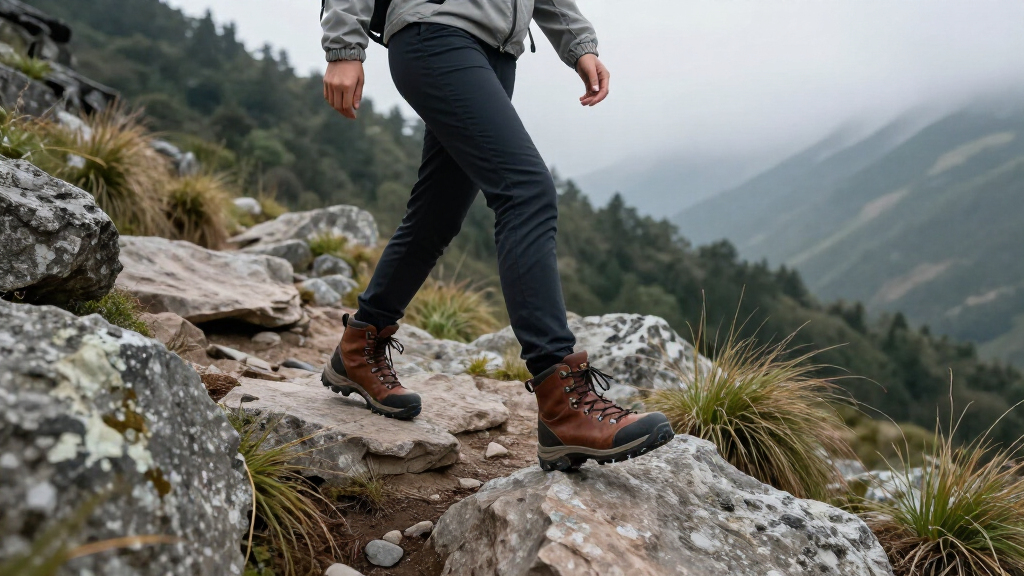
How We Picked
I ranked these boots for rugged-trail use, weighing underfoot support, grip, weather protection, construction, and the likely comfort tradeoffs of a more substantial boot. I gave more weight to options whose design and materials suggest a better fit for uneven ground, extended days, or carrying a pack than to choices aimed at lighter, less demanding outings. Waterproof membranes, durable uppers, and traction features matter, but only when balanced against weight, flexibility, and the risk of a warm or slow-drying boot.
The order reflects how clearly each model serves a distinct rugged-hiking need, not a claim that one boot fits every foot or route. I also considered versatility and the practical value of the build: an accessible, less specialized boot can rank well for day hikers, while a more supportive design earns its place for rougher terrain. Product names overlap in the Danner Mountain 600 range, and the Mt. Maddsen appears twice in the supplied list; those entries are not treated as unique advantages. Fit varies by foot shape, so any ranking is a starting point rather than a substitute for trying boots on.
Factors to Consider When Choosing Premium Hiking Boots For Rugged Trails
Choosing a rugged-trail boot is less about collecting the most technical features and more about matching support, fit, and protection to the hikes you actually take. These broader checks can prevent a common mistake: buying a boot built for severe terrain when a lighter, more flexible model would serve better.
Match Boot Stiffness to Your Load and Terrain
Stiffness helps a boot resist twisting on rocky ground and can make a heavy pack feel more manageable, but it also limits the natural bend of your stride. For steep, uneven routes or frequent off-trail travel, that structure may be worth the extra weight. On maintained trails and shorter day hikes, a very rigid boot can feel tiring rather than protective. Think about the roughest terrain you hike regularly, not the most dramatic trip you might take once. A boot that is too flexible can leave your feet working harder over broken ground, while one that is too stiff may slow you down on easier miles. If you are unsure, choose enough support for your typical pack and route rather than automatically reaching for the burliest build.
Choose Waterproofing Around Your Climate
A waterproof membrane helps with wet grass, rain, and shallow puddles, but it cannot stop water from entering over the boot collar. It can also limit airflow and slow drying if water does get inside. In consistently wet, cool conditions, that protection may be a sensible trade; in hot weather or on dry routes, breathability and faster drying can matter more. Many buyers focus on the membrane and overlook sock choice, gaiters, and how often they cross streams. Those details can affect comfort as much as the boot itself. Decide whether you need protection from frequent moisture or would rather have a boot that vents and dries more readily.
Treat Fit as a Safety and Endurance Feature
A boot that feels comfortable standing still can still cause problems on a descent, when toes slide forward and press against the front. Check heel hold, toe room, and pressure across the widest part of your foot while wearing the socks you plan to hike in. Try boots later in the day, when feet are often a little larger, and test them on an incline if possible. Do not assume that a longer size solves a narrow toe box or heel slip; those are shape issues, not simply length issues. Also leave room for foot swelling without letting the foot move excessively. For long rugged routes, a secure fit can reduce rubbing and improve control more than an extra feature on the spec sheet.
Weigh Durability Against Break-In and Weight
Thicker leather and reinforced construction can stand up to repeated abrasion, but often bring extra weight and a longer period of adaptation. Lighter builds may feel easier on day one, though they may provide less structure or show wear sooner under heavy use. Consider how many days a year you hike, how rough your routes are, and whether you will carry a substantial pack. Buying the most rugged boot for occasional easy hikes may mean carrying weight you do not need. On the other hand, frequent rocky travel can make a more durable upper and supportive platform a practical choice. Break boots in gradually before a long trip rather than discovering pressure points on the trail.
Evaluate Traction for Your Actual Surfaces
Outsole grip is not a single quality: the tread pattern, rubber compound, and surface all affect how a boot behaves. Deep lugs can help on loose dirt and soft ground, while rubber formulation and contact area matter on wet rock. No outsole removes the need for careful foot placement on slick roots, mud, or steep slabs. Look at the surfaces you encounter most often instead of treating aggressive tread as a universal upgrade. A bulky lug pattern can feel less natural on hard-packed paths and may collect mud. If your routes vary widely, prioritize a balanced outsole rather than one tuned narrowly for a single surface.
Pay for Useful Construction, Not a Prestige Label
A higher-end boot makes sense when its support, materials, repairability, or weather protection addresses a real need in your hiking routine. It is harder to justify the extra complexity if you mostly walk maintained trails with a light pack. Check whether the boot’s construction suits your climate and whether you can replace or maintain parts that wear, such as laces and insoles. A premium leather boot may reward careful care but ask more of you than a simpler synthetic or mixed-material option. Compare the whole boot—fit, outsole, support, and likely upkeep—rather than paying for one headline material or membrane. The best purchase is the one whose advantages you will use often enough to offset its weight and care demands.
Frequently Asked Questions
Should I choose a stiff boot for every rocky hike?
No. Stiffness is most useful when rough ground, long distances, or a heavier pack make underfoot support valuable. On short, maintained trails, a flexible boot can feel more natural and less tiring. Think about how often your routes demand protection from sharp rocks or twisting ground, rather than choosing the stiffest option by default. If you are moving from trail shoes to boots, a very rigid model may take more adjustment. Match the boot to your regular terrain and load, then reserve a more specialized design for trips that call for it.
Are waterproof hiking boots a poor choice for warm-weather hikes?
Not automatically, but waterproofing can retain more heat than a less sealed construction. It is useful in rain, wet vegetation, and cool conditions, while hot, dry trails may reward better ventilation. Also consider what happens if water gets in from above: a membrane does not make a boot quick to dry. Lightweight socks and careful stream crossings can help, but they do not remove the climate tradeoff. Choose based on the moisture you regularly encounter, not just the possibility of rain.
How much break-in time should I allow before a multi-day hike?
Allow enough time for several shorter walks that let you identify rubbing, heel movement, or pressure before your trip. The exact period depends on the boot’s materials, stiffness, and your foot shape, so a calendar-based rule is less useful than repeated comfortable wear. Increase distance gradually and try the socks and pack weight you expect to use. Do not assume a painful fit will resolve with break-in; persistent pinching or toe impact often signals the wrong size or shape. If discomfort remains, address it before committing to long days on rugged ground.
Can I use one pair for both day hikes and backpacking?
Often, if the boot fits well and offers enough support for the heavier load and roughest terrain you expect. A backpacking-capable boot may feel unnecessarily heavy on short, easy hikes, while a light day-hiking model may lack the structure you want under a full pack. Consider how frequently you do each kind of trip and whether one compromise would be comfortable for both. The Kenetrek and ASOLO options in this lineup lean toward support, while several Danner and Timberland choices suit buyers who want a less specialized feel. Fit should settle the decision: versatility is not useful if the boot causes hot spots.
What should I do if two models in this roundup share a product name?
Compare the full model name and listed construction rather than relying on the family name alone. The Danner Mountain 600 entries include different named versions, so details such as waterproof treatment and upper construction can affect which one suits your route. The Timberland Mt. Maddsen is listed twice here, so those two entries should not count as separate boot designs. Check the exact product listing before purchasing, especially when comparing versions with similar names. If the construction details are unclear, do not assume that features from one version apply to another.
Conclusion
For the strongest all-around match to demanding terrain, I would start with the Kenetrek Hardscrabble Hiker; for a more premium, supportive leather choice, the ASOLO TPS 535 LTH V EVO is the clearest fit for buyers who accept a more structured feel. The Danner Mountain 600 EVO makes a better pick for hikers who want waterproof protection with a lighter, more flexible character, while the Timberland Mt. Maddsen is the value-minded option among this lineup. Beginners should prioritize a comfortable fit and a less demanding break-in over maximum stiffness, making a lighter Danner or Timberland model a sensible place to start if it fits their feet. For rugged routes with heavier loads, favor the Kenetrek or ASOLO; for varied day hikes, lean toward the Danner Mountain 600 family. Try the exact version on with hiking socks before deciding, and treat the duplicate Mt. Maddsen listing as one model rather than a separate alternative.
Columbus Day / Indigenous Peoples' Day Picks
long weekend sales
As an affiliate, we earn on qualifying purchases.