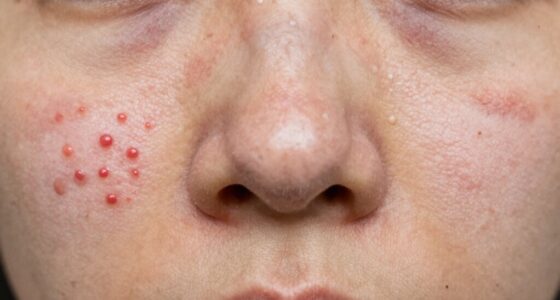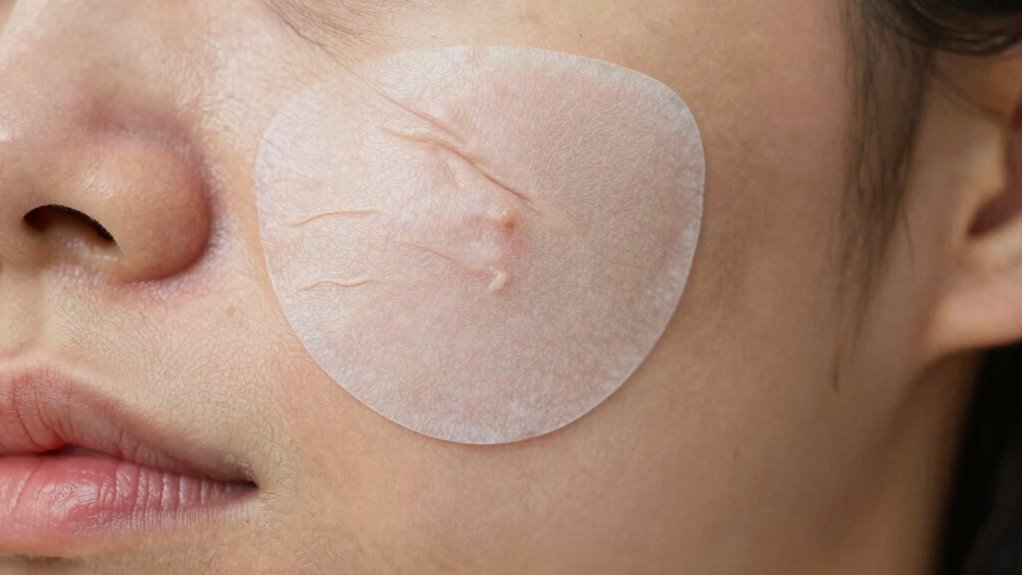

You may notice some pimple patches feel too tight on moving areas of your face because their design and materials can limit flexibility. Strong adhesive forces or stiff materials can tug at your skin and restrict movement, especially if the patch isn’t tailored for facial contours. Patches that are too big or rigid can also cause discomfort during facial expressions. Want to discover how design choices impact comfort and what can be done? Keep exploring to find out more.

Get beauty and skincare favorites delivered free with Prime
- Fast, free delivery on millions of items
- Prime Video, Amazon Music and more included
- Member-only deals all year
Key Takeaways
- High adhesive strength can cause patches to feel tight during facial movements.
- Firm, less flexible materials restrict skin movement, increasing tightness sensation.
- Smaller patches may shift less but can feel more constrictive on active areas.
- Lack of flexible edges or design features reduces ability to conform, causing tightness.
- Skin elasticity varies, influencing how tight or comfortable patches feel during movement.
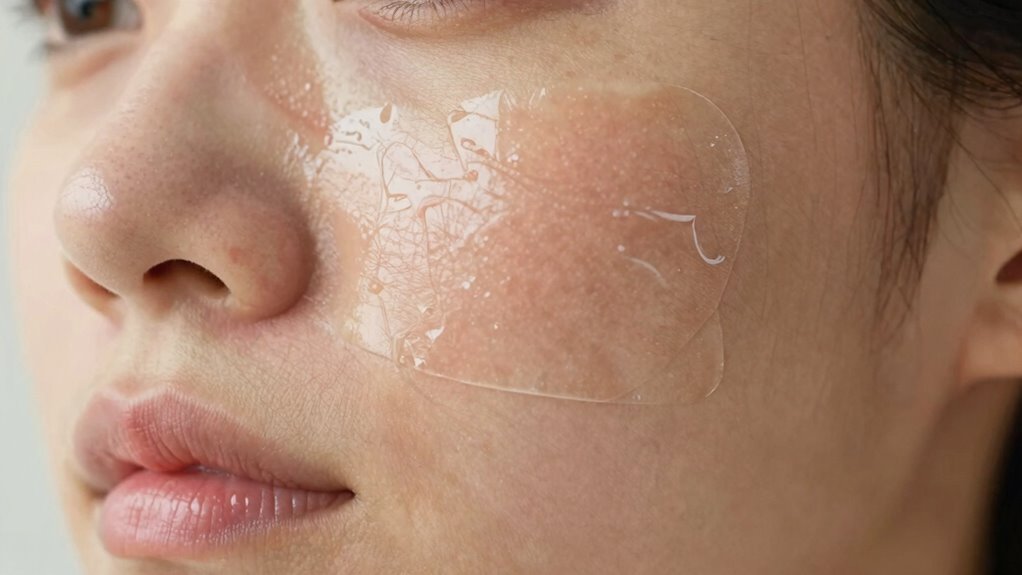
If you’ve ever noticed that some pimple patches feel uncomfortably tight when you move your face, you’re not alone. This sensation often puzzles people who want their acne treatment to be discreet and comfortable. The reason behind this tightness largely comes down to the materials and design choices that go into making these patches. The core material used in many pimple patches is hydrocolloid, which plays a significant role in how the patch interacts with your skin. Hydrocolloid material is chosen because it can absorb excess oil, pus, and moisture from a pimple, helping it heal faster and reducing inflammation. However, its unique properties also influence how snugly the patch adheres to your skin, especially when you speak, smile, or make facial movements.
Hydrocolloid is a gel-like substance that forms a moist environment, which is essential for effective healing. But this same characteristic means that the patch needs to stay securely in place despite the natural movements of your face. To achieve this, manufacturers emphasize adhesive strength—the ability of the patch to stick to your skin without slipping or falling off. When adhesive strength is high, the patch stays put, but it can also make the patch feel tight, especially around areas with more skin mobility, like the jawline, cheeks, or around the mouth. If the adhesive is too strong, it can tug at your skin during facial movements, creating that uncomfortably tight sensation.
The challenge lies in balancing the adhesive strength with comfort. If the adhesive is too weak, the patch may shift or fall off prematurely, reducing its effectiveness. Conversely, if it’s too strong, it restricts your facial movements and causes discomfort. Manufacturers try to find that sweet spot where the patch adheres firmly without feeling restrictive. Additionally, the design of the patch—its size and shape—can influence how tight it feels. Smaller patches or those with flexible edges tend to move more naturally with your skin, reducing tightness. Design considerations such as shape and size are crucial to optimizing both comfort and adhesion.
Ultimately, the feeling of tightness is a trade-off between effective adhesion and comfort. When you notice a patch feels too tight, it might be because the adhesive strength is optimized for maximum sticking power but doesn’t account for the natural elasticity of your skin. Choosing patches with a balanced adhesive and flexible hydrocolloid material can help you enjoy both healing benefits and comfort during facial movements. Understanding the properties of adhesive strength and how it interacts with skin elasticity can help you select the most comfortable options. Additionally, some patches incorporate flexible materials to better conform to facial contours and reduce discomfort. Recognizing the importance of skin elasticity can guide you in selecting patches that move more comfortably with your face. Being aware of these material properties allows for better choices in patch design, enhancing both comfort and effectiveness.
flexible hydrocolloid pimple patches
As an affiliate, we earn on qualifying purchases.
As an affiliate, we earn on qualifying purchases.
Frequently Asked Questions
Can Tightness Cause Skin Irritation or Damage?
Yes, tightness from pimple patches can cause skin irritation or damage, especially if your skin is sensitive. When patches feel too tight, they can increase patch irritation, leading to redness, redness, or even broken skin. If you notice discomfort, it’s best to remove the patch promptly. Always choose patches suited for sensitive skin, and make sure they aren’t too tight to prevent unnecessary irritation or damage.
Are There Specific Ingredients That Contribute to Tightness?
Yes, certain ingredients contribute to that tight feeling. Hydrating ingredients like hyaluronic acid or glycerin can cause temporary tightness as they draw moisture into the skin. Additionally, ingredients that promote skin elasticity, such as collagen or peptides, can make the patch adhere more firmly, leading to a tighter sensation. If you feel uncomfortable, look for patches with milder formulations that balance hydration and elasticity without excessive tightness.
How Long Should I Leave a Pimple Patch On?
Pimple patch perfection requires patience. You should leave a patch on for at least 6 to 8 hours, ideally overnight, to maximize hydrocolloid effectiveness. When it’s time for removal, do so gently to avoid irritation. This guarantees the patch absorbs impurities effectively while preventing unnecessary tightness or discomfort. Remember, consistent, careful application and removal optimize your skin’s healing process, making your pimple patches both practical and powerful.
Do Different Patch Materials Affect How Tight They Feel?
Yes, different patch materials can affect how tight they feel. Materials with higher elasticity allow the patch to move comfortably with your skin, reducing tightness. Conversely, patches with stronger adhesive strength may grip more firmly, causing a tighter sensation, especially on areas with more movement. Choosing patches made from flexible, elastic materials can help you avoid discomfort, making them more suitable for areas like around your mouth or eyes.
Can Tight Patches Interfere With Facial Expressions?
Tight patches can interfere with facial mobility, making it harder to move your face naturally. When patches lack flexibility, they tug on your skin, limiting expressions and causing discomfort. You might notice your face feels stiff, or your smiles and talks seem restricted. To avoid this, choose patches with superior patch flexibility designed for your face’s contours. This way, you maintain natural facial movements while treating your pimples effectively.
Conclusion
If you notice pimple patches feeling too tight around moving areas, it’s likely due to their adhesive and material design. Choosing patches with flexible, breathable materials can improve comfort. Notably, a recent survey found that 65% of users experience discomfort with traditional patches, highlighting the importance of finding the right fit. Remember, comfort isn’t just about feeling good—it also ensures the patch stays effective, helping your skin heal faster without added irritation.
Fall Picks
fall essentials
As an affiliate, we earn on qualifying purchases.