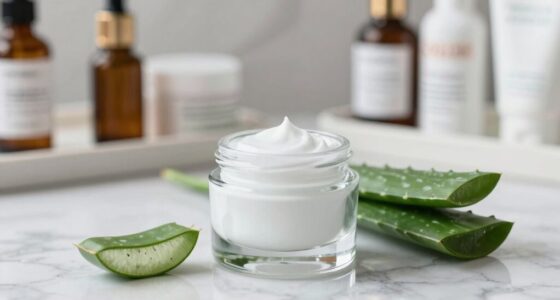
Start with your serum first, as it’s water-based and contains concentrated actives like vitamin C or hyaluronic acid. Next, apply gels, which are lightweight but slightly thicker. Follow with creams, which seal in hydration and potent ingredients, waiting a few minutes after the lighter layers. Finish with occlusives like petroleum jelly to lock in everything and prevent moisture loss. If you keep going, you’ll discover how to perfect each step for maximum benefits.

Get beauty and skincare favorites delivered free — and shop member deals
- Fast, free delivery on millions of items
- Access to Prime Big Deal Days deals on October 6–7
- Prime Video, Amazon Music and more included
Key Takeaways
- Start with water-based serums for deep actives, then layer lightweight gels for additional hydration.
- Allow a few minutes for absorption between applying serums, gels, and creams.
- Apply thicker creams after serums and gels to seal in active ingredients.
- Use occlusives last to lock in moisture and prevent ingredient interference.
- Ensure previous layers are absorbed fully before applying subsequent products for optimal efficacy.
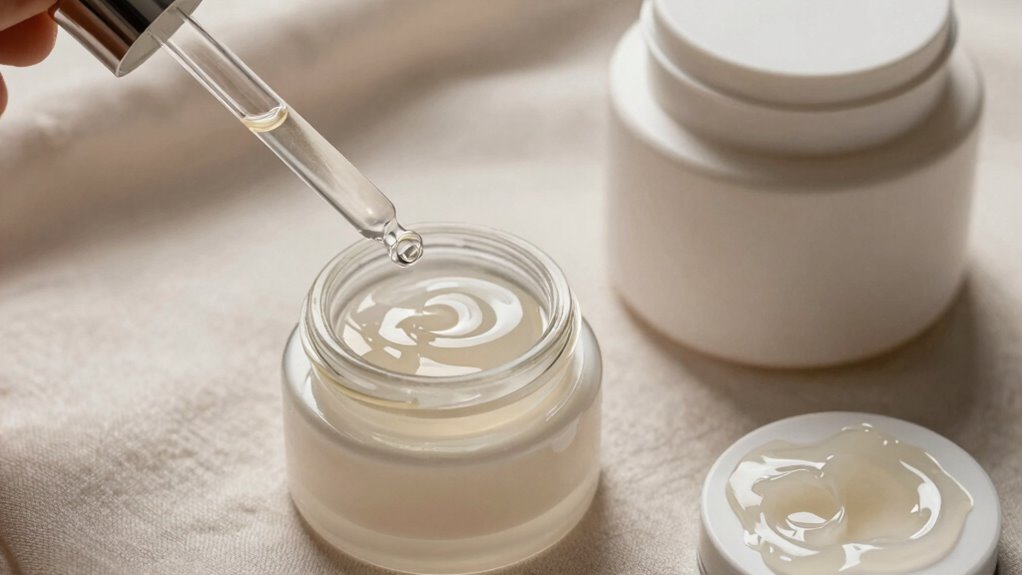
Understanding the correct order to apply skincare products can make a significant difference in their effectiveness. When you layer your products properly, each one can work at its best, giving you better results. To do that, you need to pay attention to ingredient compatibility and application timing. These factors guarantee that your skincare routine is both effective and safe, preventing ingredients from neutralizing each other or causing irritation.
Start with the thinnest, most lightweight products. Typically, this means applying serums first. Serums are usually water-based and contain concentrated active ingredients like vitamin C or hyaluronic acid. Applying them early allows their ingredients to penetrate deeply into your skin. Next, move on to gels if you’re using them. Gels are often lightweight but slightly thicker than serums, so applying them after ensures they don’t block the absorption of more delicate serums. When considering ingredient compatibility, check if your serum and gel contain ingredients that might interact negatively. For example, some acids and vitamin C can cause irritation if combined with certain other actives. Understanding these interactions helps you time your application properly, perhaps spacing out certain products or applying them at different times of the day. Proper layering also involves understanding the product order, which is essential for maximizing effectiveness. Additionally, paying attention to product absorption times can further enhance your routine. It’s also helpful to consider layering techniques to avoid pilling or uneven application, ensuring a smooth and effective skincare experience.
After serums and gels, you typically apply creams. Creams are usually thicker and provide occlusive benefits, sealing in hydration and active ingredients. Applying cream after lighter products ensures a proper barrier formation, locking in the benefits of your serums and gels. Be mindful of application timing here. If you use potent active ingredients like retinol or exfoliating acids, it’s often best to apply creams after allowing a few minutes for your actives to absorb fully. This prevents dilution or interference, maximizing ingredient performance.
Finally, occlusives are the last layer in your routine. These are heavy, sealing products like petroleum jelly or thick ointments. They create a barrier that prevents moisture loss and lock everything underneath in place. Applying occlusives last makes sense because they don’t interfere with the absorption of other products and ensure your skin remains hydrated throughout the day or night. Just make sure your previous layers have had enough time to absorb; rushing this step could compromise the effectiveness of your skincare routine.
best water-based serums for skincare
As an affiliate, we earn on qualifying purchases.
As an affiliate, we earn on qualifying purchases.
Frequently Asked Questions
Can I Skip Any Step in the Skincare Routine?
You can skip a step if it doesn’t suit your skin or product compatibility. For example, if you’re short on time, skipping an occlusive might be okay, but it could reduce moisture retention. However, following the proper step sequence guarantees maximum absorption and effectiveness. Always listen to your skin’s needs and adjust accordingly, but don’t skip essential steps that protect and nourish your skin for best results.
How Long Should I Wait Between Applying Each Product?
Imagine each product as a brushstroke on a canvas—waiting a few minutes allows for proper product absorption, ensuring your skincare layering techniques work seamlessly. Typically, wait around 1-3 minutes between applications to let each layer settle. This pause helps prevent pilling, enhances absorption, and maximizes effectiveness. Trust your skin’s cues; if it feels tacky or damp, give it more time before moving on.
Are There Specific Products for Sensitive Skin?
Yes, there are specific products for sensitive skin. Look for gentle, fragrance-free formulas that prioritize product compatibility with your skin type. Hyaluronic acid, chamomile, and aloe vera are excellent ingredients that soothe sensitive skin. Always patch-test new products and choose those labeled for sensitive skin to minimize irritation. Avoid harsh chemicals and alcohol-based products, ensuring your skincare routine remains gentle and effective for your skin’s unique needs.
Should I Use Serum in the Morning or at Night?
You should use serum at night, as it’s perfect for nighttime hydration and absorption. During sleep, your skin naturally renews, making it an ideal time for serums to work their magic. In the morning, focus on lighter products like gels or creams to keep your skin balanced and protected. This routine guarantees you maximize serum benefits while maintaining a fresh, energized look all day long.
Can I Layer Multiple Serums Together?
Yes, you can layer multiple serums together, but you need to take into account layering techniques and product compatibility. Apply lightweight, water-based serums first, followed by richer, oil-based ones. Always check ingredient compatibility to avoid reactions, especially when combining active ingredients like vitamin C and acids. Test new combinations on a small skin patch first. Proper layering ensures you maximize benefits without causing irritation or diminishing efficacy.
Conclusion
So, next time you layer your skincare like a pro, remember it’s not about piling on the most expensive products first. Ironically, the real secret is in the order—serum, gel, cream, then occlusive—like a perfectly choreographed dance. Ignore this, and you might just be sealing in dirt or blocking your glow. Who knew that elegance in skincare is just a simple, yet precise, dance of products? Keep it right, and let your skin shine—literally.
Fall Picks
fall essentials
As an affiliate, we earn on qualifying purchases.