You might blame purging for irritation because both cause redness, dryness, and discomfort, making it hard to tell them apart. Purging is your skin adjusting to new active ingredients and usually clears up in a few weeks, especially in breakout-prone areas. Irritation persists longer and feels more upsetting, like burning or peeling. By understanding these differences, you can better manage your skin’s response. Keep going, and you’ll uncover how to tell them apart with confidence.

Get beauty and skincare favorites delivered free with Prime
- Fast, free delivery on millions of items
- Prime Video, Amazon Music and more included
- Member-only deals all year
Key Takeaways
- Both purging and irritation can cause redness and breakouts, leading to confusion between the two.
- Purging is temporary and localized, while irritation persists and worsens over time.
- Lack of understanding about skin’s detox process causes misattribution of normal purging to irritation.
- Many people expect immediate results, mistaking initial breakouts for adverse reactions.
- Misdiagnosis discourages continued use of effective products, reinforcing the false blame on purging.
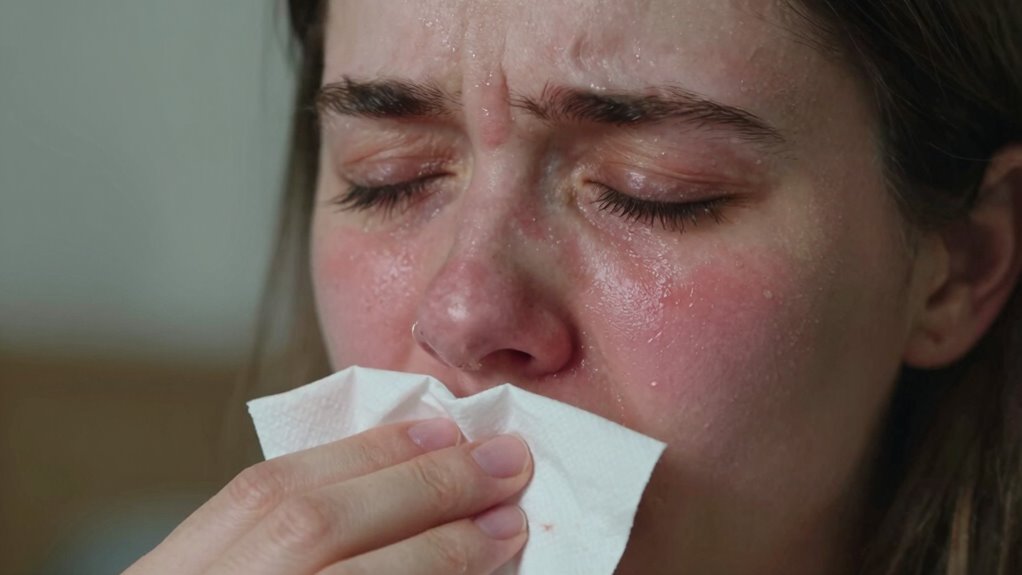
When you start a new skincare routine or make changes to your existing one, you might notice some purging and irritation. It’s a common experience, but often, people confuse purging with irritation, blaming the process for skin issues that are actually part of the skin detox. Purging happens when your skin is adjusting to new active ingredients, especially those that accelerate cell turnover, like retinoids or exfoliating acids. During this phase, your skin pushes out impurities and dead cells, leading to breakouts, flaky patches, or redness. This isn’t necessarily a bad sign; it’s your skin’s way of cleaning itself out and resetting.
However, many assume that any discomfort or breakouts are irritation, and this misconception causes unnecessary worry. True irritation typically presents as persistent redness, burning, or dryness that doesn’t improve over time. In contrast, purging usually occurs in areas where you’re already prone to breakouts, and the symptoms tend to resolve within a few weeks. Recognizing this difference is key to avoiding unnecessary discontinuation of effective products. Additionally, understanding the role of skin pH balance** in maintaining skin health can help differentiate between purging and irritation, as disruptions to pH can temporarily make the skin feel sensitive or uncomfortable. Supporting your skin’s natural acid mantle** can aid in the healing process and reduce discomfort.
Another reason purging gets blamed for irritation too often is the misunderstanding of how skincare products affect your skin’s pH balance. Many active ingredients can temporarily disturb your skin’s natural pH, which is slightly acidic, usually around 4.5 to 5.5. When this balance is thrown off, your skin can become more sensitive, prone to redness, or feel tight and uncomfortable. This isn’t true irritation but a sign that your skin is adjusting, and it’s important to support this process with gentle, pH-balanced cleansers and moisturizers. Maintaining proper pH balance supports the skin’s barrier function and can help reduce the likelihood of irritation. It’s also helpful to note that skin barrier health plays a crucial role in how well your skin responds to new products and stimuli.
A proper skin detox, supported by maintaining the right pH balance, helps your skin recover and adapt. If you notice prolonged redness, burning, or peeling beyond a few weeks, that’s when irritation might be setting in. But short-term discomfort, especially when introducing new products, often signifies a skin detox rather than irritation. It’s essential to be patient and not jump to conclusions. Instead, listen to your skin, give it time to adjust, and reinforce your routine with soothing, pH-friendly products. Staying consistent with gentle skincare practices enhances your skin’s ability to recover and prevents overstimulation.
In the end, understanding the difference between purging and irritation can save you from unnecessary worry and help you stick with effective skincare. Recognize the signs, support your skin’s natural detox process, and be mindful of maintaining your skin’s pH balance. That way, you’ll navigate new routines confidently, knowing what’s temporary and what needs attention.
pH balanced gentle cleanser for sensitive skin
As an affiliate, we earn on qualifying purchases.
As an affiliate, we earn on qualifying purchases.
Frequently Asked Questions
Can Purging Cause Long-Term Skin Damage?
Purging can cause long-term skin damage if done excessively or aggressively, disrupting your skin’s natural renewal process. It may lead to irritation, redness, and even scarring. Additionally, purging can trigger hormonal effects that worsen skin conditions over time. To protect your skin, focus on gentle, consistent skincare routines and avoid over-exfoliating or picking at your skin, which can cause lasting damage.
Are There Safe Ways to Purge Without Irritation?
You can purge safely by easing into your skincare routine and paying attention to ingredient sensitivities. Start with gentle products, avoid harsh exfoliants, and don’t rush the process—slow and steady wins the race. Always patch-test new products, and consult a dermatologist if irritation persists. This way, you minimize the risk of irritation and protect your skin, proving that patience really is a virtue in skincare.
How Long Does Purging Typically Last?
Purging usually lasts about 4 to 6 weeks, but it varies depending on your skin’s renewal cycle and hormonal shifts. During this period, your skin is shedding old cells and adjusting, which can cause irritation. You might experience breakouts or dryness initially, but this phase is temporary. Stick to a gentle routine, stay patient, and give your skin time to adapt and clear out impurities for healthier, renewed skin.
Is Purging Different From a Breakout?
Purging isn’t just a breakout; it’s your skin’s way of detoxing, often mistaken for irritation. You might think hormonal fluctuations and skin sensitivity cause breakouts, but purging can look similar, with increased blemishes and redness. It’s ironic—your skin’s trying to clear out impurities, yet you see it as a problem. So yes, purging is different because it’s a temporary, natural process, not an actual breakout caused by external triggers.
Should I Stop Purging if Irritation Persists?
If irritation persists, you should consider stopping purging because your skin sensitivity might be heightened, and continuing could cause more harm. It’s essential to assess product compatibility with your skin and avoid forcing your skin through prolonged irritation. If the irritation doesn’t improve or worsens, consult a dermatologist to determine whether your skin is reacting negatively or if you’re experiencing a true breakout. Listening to your skin is key.
Conclusion
Just like Icarus warning against flying too close to the sun, remember that your skin’s fiery reaction isn’t always a sign of failure. Sometimes, it’s just your skin’s way of saying it’s adjusting to new routines. Don’t mistake temporary irritation for catastrophe. With patience and understanding, you’ll navigate this skincare journey, emerging stronger—like the phoenix rising from ashes. Trust the process, and let your skin’s true glow shine through, beyond the myth of purging.
Fall Picks
fall essentials
As an affiliate, we earn on qualifying purchases.