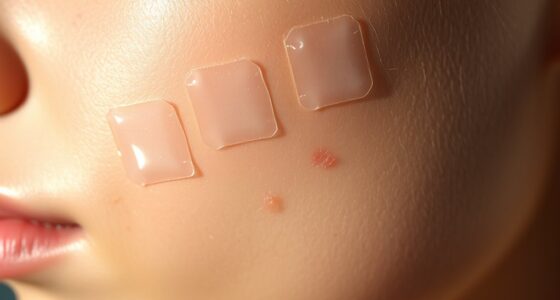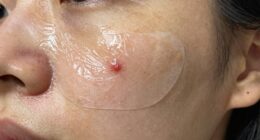

You should only apply skincare under a patch if your ingredients are compatible with its adhesive and design. Heavy, occlusive products like oils or thick creams may weaken adhesion or cause irritation, while lightweight, water-based serums usually work better. Active ingredients like acids or retinoids can cause irritation or reduce patch effectiveness if layered improperly. To get the best results, it’s important to understand how your skincare interacts with the patch, and there’s more you can do to optimize your routine.

Get beauty and skincare favorites delivered free — and shop member deals
- Fast, free delivery on millions of items
- Access to Prime Big Deal Days deals on October 6–7
- Prime Video, Amazon Music and more included
Key Takeaways
- The compatibility of skincare ingredients with the patch’s adhesive and formulation determines if they can be layered together.
- Light, water-based products are generally better to apply under patches than heavy, occlusive creams.
- Active ingredients like acids or retinoids may cause irritation or reduce patch effectiveness if layered improperly.
- Waiting a few minutes after applying skincare before patching helps prevent interactions and improves adhesion.
- Skin sensitivity and individual reactions influence whether applying skincare under a patch is suitable.

When it comes to effective skincare, patches have become a game-changer, delivering targeted ingredients directly where your skin needs them most. But a common question is whether you should apply your usual skincare products under a patch. The answer hinges on understanding ingredient interactions and patch compatibility. Not all skincare ingredients play well together, and some can interfere with how well the patch works or even cause irritation. Before layering your serums or moisturizers beneath a patch, it’s essential to consider whether those products will interfere with the patch’s adhesion or efficacy.
Certain ingredients, like oils or heavy creams, can compromise patch adherence, making it less effective or causing it to fall off prematurely. If your usual skincare routine includes thick, occlusive products, you might want to skip them under the patch or apply them beforehand, allowing enough time for absorption. Conversely, lightweight, water-based serums tend to be more compatible and won’t hinder the patch’s adhesion. It’s also important to consider ingredient interactions. Some actives, such as acids or retinoids, might irritate your skin if layered improperly, or they could reduce the patch’s ability to deliver its targeted ingredients effectively. For example, applying an exfoliating acid under a patch could cause excessive irritation, defeating the purpose of the treatment.
Patch compatibility is another crucial factor. Many patches are designed to work with specific ingredients or formulations. Some patches contain a gel or adhesive that may not be compatible with certain skincare ingredients, especially those that are highly reactive or unstable when in contact with adhesives. Reading the instructions and ingredient list of both your patch and your skincare products helps ensure they won’t clash. When in doubt, applying your usual skincare routine and waiting a few minutes for it to settle before applying the patch can help avoid unwanted interactions. Additionally, being aware of ingredient stability can help prevent the breakdown of active compounds during the patching process. Understanding the compatibility of ingredients with adhesives and patch materials can also help maximize treatment efficacy.
Furthermore, considering the layering sequence of your skincare can influence how well the patch adheres and functions, ensuring active ingredients are delivered effectively. It’s beneficial to note that skin sensitivity varies among individuals, so paying attention to how your skin reacts to combined products can guide your patching routine. Ultimately, whether you apply skincare under a patch depends on your skin’s needs and the products involved. If you’re targeting a specific concern with a patch, it’s often best to keep your routine simple beforehand—cleanse thoroughly, apply lightweight treatments, then add the patch. This approach minimizes potential ingredient conflicts and maximizes patch effectiveness. Remember, the goal is to deliver active ingredients efficiently without compromising your skin’s comfort or the patch’s performance. Being mindful of ingredient interactions and patch compatibility ensures you get the most benefit from your targeted treatments without unintended side effects.
water-based skincare serums for patches
As an affiliate, we earn on qualifying purchases.
As an affiliate, we earn on qualifying purchases.
Frequently Asked Questions
Can Patches Cause Skin Irritation or Allergic Reactions?
Yes, patches can cause skin irritation or allergic reactions, especially if ingredient interactions occur with your skin or the patch’s materials. You might notice redness or discomfort if your skin is sensitive. To prevent this, check the patch’s durability and confirm it’s suitable for your skin type. Performing a patch test beforehand can help identify any adverse reactions, reducing the risk of irritation during use.
How Long Should I Keep a Patch on My Skin?
You should keep a patch on your skin as directed, usually between 12 to 24 hours, to guarantee proper skin absorption. When it’s time for patch removal, do so gently to avoid irritation. Leaving it on too long might cause discomfort or skin issues, while removing it too early can hinder absorption. Always follow the specific instructions provided to maximize effectiveness and minimize potential irritation.
Are Patches Suitable for Sensitive or Acne-Prone Skin?
Patches can be a double-edged sword for sensitive or acne-prone skin. They lock in moisture, boosting hydration levels, but may also trap bacteria or irritants if your skin isn’t compatible. If your skin reacts easily or breaks out, patches might cause more harm than good. Always test first and make certain your skincare ingredients are gentle. Proper product absorption is key, so choose patches designed for sensitive or acne-prone skin to avoid aggravating your skin.
Do Patches Interfere With Other Skincare Products?
Patches can interfere with other skincare products if they affect product compatibility or skin absorption. When you apply multiple products, patches may block absorption or cause reactions, especially if ingredients clash. To avoid issues, make certain your skincare products are compatible with the patch and allow enough time for absorption before applying the patch. This way, you maximize benefits without compromising effectiveness or causing irritation.
Can I Wear Makeup Over a Patch?
Ever wonder if you can wear makeup over a patch? Yes, you can, but it might affect patch longevity. Makeup compatibility varies—thicker or oily products can cause the patch to slip or lose effectiveness. To keep both intact, opt for light, non-comedogenic makeup and gently apply it around the patch. Wouldn’t you prefer your patch to do its job without interference? Careful application guarantees both stay effective and look flawless.
Conclusion
Just like Alice’s curiosity led her down the rabbit hole, your decision to apply skincare under a patch depends on that one essential detail. When you pay attention to your skin’s needs, you’re steering through the wonderland of personalized care. Remember, not every potion is suitable for every situation, so trust your instincts. With a little awareness, you’ll find that perfect balance—your own secret to glowing, happy skin—just waiting to be uncovered.
Halloween Picks
halloween
As an affiliate, we earn on qualifying purchases.