
Yes, you can wear skincare patches under makeup if you pick proper ingredients and apply them carefully. Look for patches with soothing ingredients like hyaluronic acid or niacinamide, which are more compatible with makeup and help keep your skin calm and hydrated. Make sure the patches fully adhere before applying foundation or concealer, and use gentle blending techniques to avoid lifting them. To discover tips on seamlessly integrating patches into your routine, keep exploring how to make it work best for your skin.
Key Takeaways
- Hydrocolloid patches are gentle and typically compatible with makeup, minimizing interference when properly applied.
- Allow patches to fully adhere and settle before applying foundation or concealer to prevent dislodging.
- Use light, patting techniques and lightweight, non-comedogenic makeup to maintain patch adhesion and effectiveness.
- Avoid applying makeup over active ingredients like salicylic acid or benzoyl peroxide to reduce irritation.
- Choose soothing patches with ingredients like hyaluronic acid or niacinamide for better compatibility under makeup.
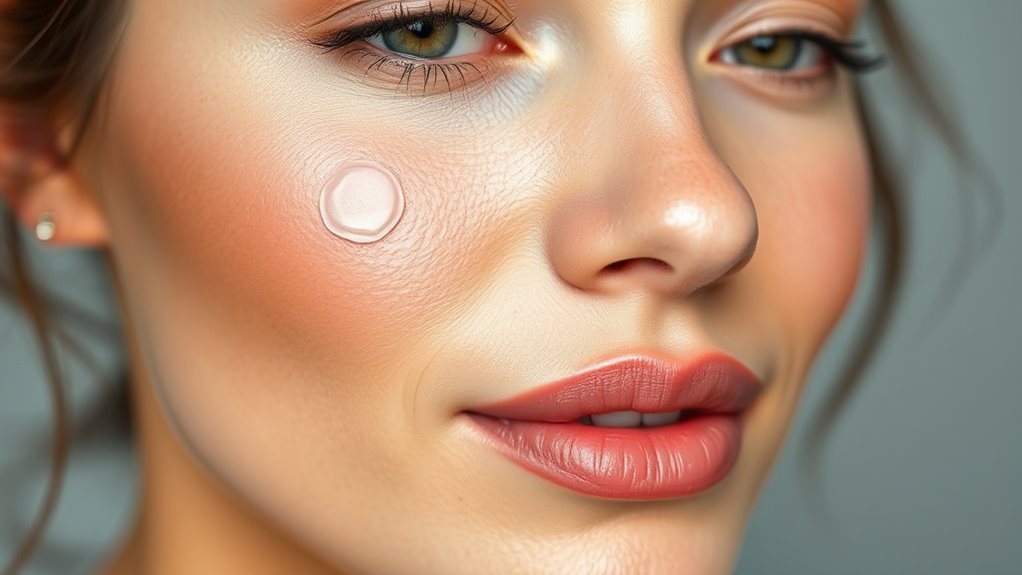
Skincare patches under makeup offer a convenient way to target specific skin concerns without disrupting your routine. Whether you’re dealing with acne, hyperpigmentation, or fine lines, these patches can deliver active ingredients directly to the problem area. However, to get the most benefit and avoid issues, it’s essential to understand ingredient compatibility and proper application techniques. Not all patches are created equal, and some ingredients may not play well with makeup or other skincare products you use during the day.
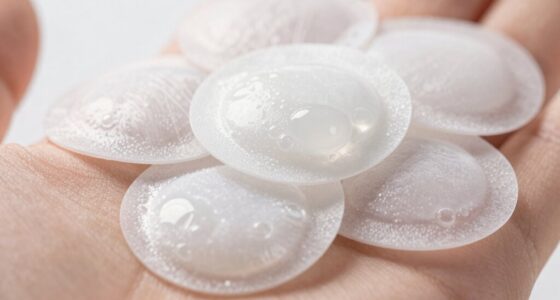
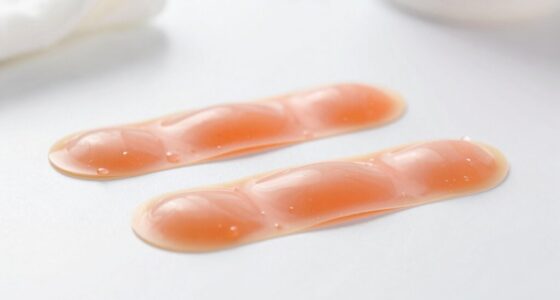
First, consider ingredient compatibility. Some active ingredients, like salicylic acid or benzoyl peroxide, can be quite potent and may cause irritation if combined with makeup or certain primers. Others, such as hydrocolloid patches for acne, are designed to be gentle and generally don’t interfere with makeup. Always check the label or product details to see which ingredients are included and whether they’re suitable for daytime wear under makeup. For instance, patches containing soothing ingredients like hyaluronic acid or niacinamide tend to be more compatible with makeup because they hydrate and calm the skin without causing pilling or separation.
Choose patches with soothing ingredients like hyaluronic acid or niacinamide for better makeup compatibility.
Next, pay attention to application techniques. Proper placement is key—apply the patch directly on the affected area, making sure it adheres well and covers the concern completely. If your patch isn’t sticking properly, it can shift or peel when you apply makeup on top, creating a mess or reducing the patch’s effectiveness. Before applying makeup, give the patch a few minutes to settle and fully adhere. Lightly tap the area to smooth out any air bubbles or wrinkles. When applying makeup over the patch, use gentle, patting motions rather than rubbing, which can dislodge the patch or cause uneven application. Also, opt for lightweight, non-comedogenic products that won’t interfere with the patch’s adhesion or effectiveness.
Additionally, consider the type of makeup you’re using. Thick foundations or powders may cause the patch to lift or peel prematurely. To avoid this, wait until your foundation or concealer is set and lightly dusted before gently blending around the patch. If you’re concerned about the patch staying in place, you might lightly tap over the edges with a translucent powder. Remember, the goal is to keep the patch in contact with your skin as long as needed without compromising your makeup look.
Furthermore, staying informed about advances in AI technology can help you choose products or tools that enhance your skincare routine, such as apps that analyze skin conditions or recommend suitable patches for your needs.

Blackhead Remover Vacuum, USB Interface Type Pore Vacuum, Black Head Extractions Tool with Camerafor, Men and Women Pore Cleaner, 3 Adjustment Modes & 6 Suction Heads(Light Pink)
【HD camera】Blackhead remover vacuum cleaner built-in 1080P HD camera & 8 LED lights, can magnify the skin 20...
As an affiliate, we earn on qualifying purchases.
Frequently Asked Questions
Do Skincare Patches Affect Makeup Application or Longevity?
Skincare patches generally don’t affect your makeup’s application or longevity if they adhere well. Patch adhesion is key—if the patches stay put, they won’t interfere with your foundation or concealer. Choose patches with a smooth surface to guarantee makeup compatibility, and wait until the patches are fully absorbed or removed before applying makeup. This way, you maintain a flawless look without compromising your skincare benefits.
Are There Specific Types of Patches Suitable for Under-Makeup Use?
Yes, certain patches are suitable for under-makeup use. Hydrocolloid patches work well for spot treatments, as they’re thin and discreet, letting your makeup go on smoothly. Brightening masks, especially those designed as thin, sheet-like patches, can also be worn underneath makeup if they’re lightweight and absorbent. Just make certain that the patches are fully absorbed or dried before applying makeup to avoid smudging or uneven application.
Can Wearing Patches Under Makeup Cause Skin Irritation?
Patch placement and patch material can cause skin irritation if not chosen carefully. When you wear patches under makeup, your skin might react to certain adhesives or materials, leading to redness or discomfort. To avoid irritation, make sure you select gentle, hypoallergenic patches and place them properly, avoiding sensitive areas. Test new patches first and give your skin time to breathe before applying makeup over them, preventing unnecessary irritation.
How Long Should Skincare Patches Be Left on Before Applying Makeup?
You should remove skincare patches before applying makeup, usually after the recommended patch removal timing—typically 15 to 20 minutes. This allows the patch to absorb the active ingredients properly, ensuring maximum effectiveness. Waiting longer might lead to diminished absorption, while applying makeup too soon can interfere with the patch’s performance. Always follow the specific instructions on your patch’s absorption rate to achieve the best results.
Do Patches Interfere With the Appearance of Foundation or Concealer?
Think of skincare patches as tiny shields for your skin’s surface. When properly adhered, they usually won’t interfere with your foundation or concealer, as long as the patch adheres smoothly. If patches lift or create uneven skin texture, they can cause makeup to sit poorly or look cakey. To avoid this, make certain patches are well-placed and fully adhered before applying makeup, so your foundation glides seamlessly over the skin.

Red Light Therapy for Hair Growth Device - FDA Cleared Hair Loss Treatment - Laser Cap for Hair Regrowth - Hair Thinning & Alopecia Treatment for Men & Women
Benefits: Delivers low-level laser therapy (LLLT) directly to the scalp and hair follicles to stimulate cell activity and...
As an affiliate, we earn on qualifying purchases.
Conclusion
So, yes, you can wear skincare patches under makeup, but it’s all about choosing the right ones. Think of patches like a secret weapon—you can boost hydration or target specific issues without ruining your look. Just wait a few minutes for the patch to settle, then gently apply your makeup over it. It’s a game-changer that actually works, so go ahead and give it a try—your skin might just thank you!
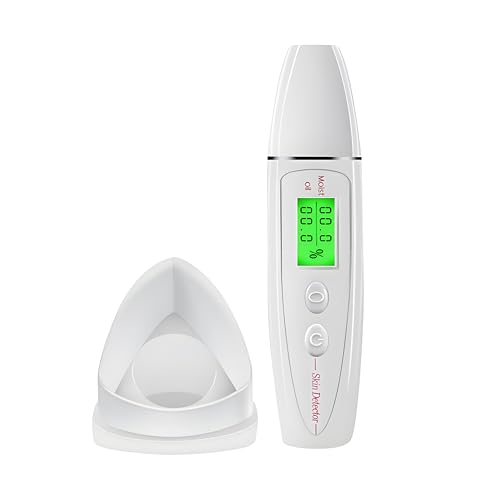
CYSFETENA Skin Hydration Tester, Portable Skin Moisturizer Water Oil Tester ,Digital LCD Smart Display Skinly Hydration for Face Care Beauty (White)
DIGITAL LCD DISPLAY: The simple and elegant appearance of our skin hydration tester is more attractive, with an...
As an affiliate, we earn on qualifying purchases.

Semme Skin Hydration Tester, Analyzer Machine Professional, Digital Skin Oil Sensor, Analyzer Tester Water Oil Monitor LCD Display Monitoring Meter for Face and Body
[Material] Crafted from premium abs ecofriendly material this skin tester is safe and sturdy for longterm use. its...
As an affiliate, we earn on qualifying purchases.