Cosmetic patches are designed to deliver active ingredients like serums and vitamins deeply into your skin, promoting targeted treatments and improved absorption. Barrier patches, on the other hand, focus on protecting your skin from pollutants, irritants, and environmental damage, acting as a physical shield. They have stronger, waterproof materials for durability, while cosmetic patches are thin and flexible for better penetration. To learn more about how each type can suit your skincare goals, keep exploring the details.
Key Takeaways
- Cosmetic patches deliver active ingredients for skin absorption, while barrier patches primarily protect the skin from external irritants.
- Cosmetic patches create a semi-occlusive environment to enhance ingredient penetration; barrier patches form a waterproof seal to block contaminants.
- Material composition in cosmetic patches emphasizes permeability; barrier patches focus on durability and waterproof properties.
- Cosmetic patches are thin and flexible for close skin contact; barrier patches are thicker and more robust for physical protection.
- Use cosmetic patches for targeted treatment of skin concerns; barrier patches for shielding and soothing irritated or sensitive skin.

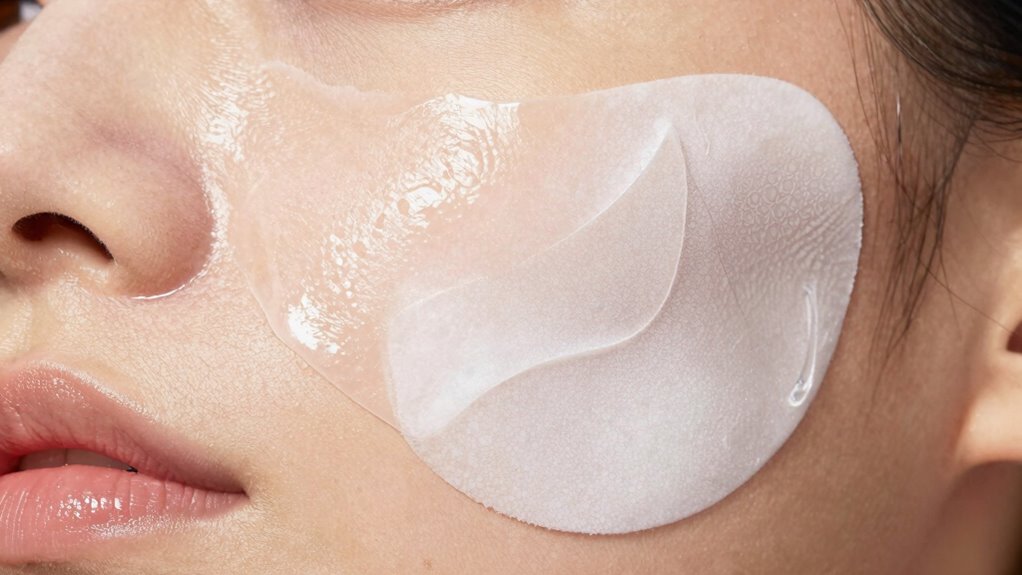
When it comes to skincare, understanding the difference between cosmetic patches and barrier patches is essential for choosing the right product for your needs. Both types of patches serve unique purposes, and knowing how they interact with your skin helps you make smarter choices. A key factor to evaluate is skin absorption—how well the patch delivers ingredients or protects the skin. Cosmetic patches are designed to enhance skin absorption, allowing active ingredients like serums, vitamins, or anti-aging compounds to penetrate deeply. These patches are often formulated with a thin, flexible material that adheres closely to your skin, maximizing contact and ensuring that the ingredients are effectively absorbed over time. Their adhesion properties are critical because they must stick well enough to stay in place during wear but also be gentle enough to remove without irritation. When applied properly, cosmetic patches create a semi-occlusive environment that promotes better absorption, making them popular for targeted treatment of specific skin concerns, like fine lines or dullness. Additionally, the formulation of cosmetic patches often includes active ingredient delivery****, which enhances their effectiveness in skincare routines.
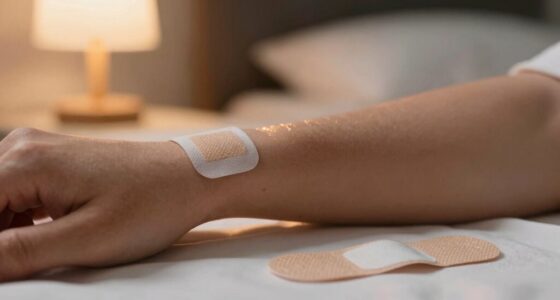
In contrast, barrier patches focus on protecting your skin rather than delivering active ingredients. They act as a shield, preventing external irritants, pollutants, or bacteria from damaging the skin’s surface. The adhesion properties of barrier patches are designed to be strong enough to stay in place during daily activities but also easy to remove when needed. These patches typically feature a more robust, sometimes waterproof, backing that ensures a secure seal, even in humid or oily conditions. Their primary function isn’t skin absorption but creating a physical barrier that keeps out harmful substances while allowing your skin to breathe. Because they are less involved in ingredient delivery, their material composition emphasizes durability and adhesion strength rather than permeability. Additionally, understanding the role of skin barrier function can help you select the appropriate patch type for your skin health. It’s also important to consider the material composition of the patches to ensure compatibility with your skin type and specific concerns.
Knowing the distinction helps you decide which patch to use based on your skincare goals. If you want to boost the effectiveness of active ingredients and improve skin absorption, cosmetic patches are your go-to. They’re ideal for targeted treatments, especially when you want ingredients to penetrate deeply into your skin. On the other hand, if your goal is to protect your skin from environmental damage or soothe irritated areas, barrier patches are more suitable. They provide a physical shield, ensuring your skin remains protected without necessarily delivering active compounds. Both patches rely heavily on their adhesion properties, but their design and purpose dictate how they interact with your skin. Ultimately, understanding these differences helps you optimize your skincare routine by selecting the right patch for your specific needs, whether it’s enhancing absorption or providing protection.
cosmetic skin patches for active ingredient delivery
As an affiliate, we earn on qualifying purchases.
As an affiliate, we earn on qualifying purchases.
Frequently Asked Questions
Are Cosmetic Patches Suitable for Sensitive Skin?
Yes, cosmetic patches can be suitable for sensitive skin if they are designed with patch compatibility in mind. You should look for products labeled as hypoallergenic or formulated specifically for sensitive skin to minimize irritation. Always patch test a small area first to check for reactions. If you experience redness or discomfort, discontinue use immediately. Choosing gentle, dermatologist-approved patches helps guarantee they’re safe for your sensitive skin.
Can Barrier Patches Be Used Overnight Safely?
Yes, barrier patches can be used overnight safely, especially if they’re designed for extended patch longevity. These patches are formulated to stay on your skin comfortably for hours, providing effective protection and support through the night. Always check the product instructions, but generally, barrier patches are safe for overnight use, helping to protect your skin and promote healing without causing irritation or discomfort.
Do Patches Cause Any Skin Irritation or Allergic Reactions?
Do patches cause skin irritation or allergic reactions? It’s possible, especially if you have patch sensitivity or adverse reactions. Some ingredients can trigger irritation or allergic responses, so it’s wise to test a small area first. Always read labels carefully and monitor your skin’s response. If you notice redness, itching, or swelling, remove the patch immediately and consult a dermatologist. Staying aware helps prevent discomfort and skin issues.
How Long Does Each Type of Patch Typically Last?
Cosmetic patches usually last about 8 to 12 hours, offering temporary skin benefits, while barrier patches tend to last longer, around 24 to 48 hours, providing extended protection. Your patch durability depends on factors like skin type and activity level. For ideal product longevity, follow the manufacturer’s instructions carefully, keep the patch dry, and avoid excessive sweating or touching, which can reduce effectiveness and shorten their lifespan.
Can Patches Be Combined With Other Skincare Products?
Patches can totally be layered with other skincare products, but you’ve gotta be smart about it. Think of patch layering like building a skincare sandwich—start with lighter products and finish with patches for maximum effectiveness. Always check product compatibility because some ingredients might weaken the patch’s stickiness or cause irritation. When done right, combining patches with serums or moisturizers can boost your skincare game to superhero levels!
Conclusion
Think of cosmetic patches and barrier patches as two tools in your skincare toolbox: each has its unique job, but both work together to keep your skin healthy. Cosmetic patches are like a nourishing drink, reviving and brightening your skin’s surface. Barrier patches act as a sturdy shield, protecting against external threats. By understanding their differences, you can craft a skincare routine that’s as harmonious as a well-orchestrated symphony, leaving your skin glowing and resilient.