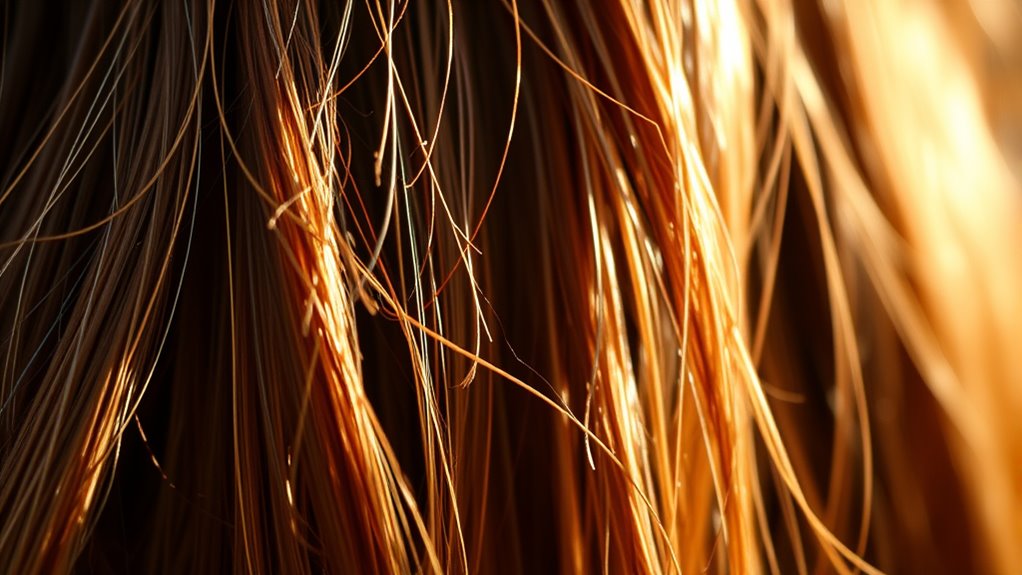

To improve split ends, avoid excessive heat styling, harsh chemicals, and aggressive brushing, as these weaken hair over time. Use gentle detangling techniques and incorporate moisturizing treatments with natural oils like argan or coconut to strengthen your strands. While trimming removes visible damage, it won’t prevent new splits, so focus on nurturing healthy habits. If you’re interested, you’ll find more tips on stopping split ends from forming and maintaining smoother hair ahead.

Get beauty and skincare favorites delivered free with Prime
- Fast, free delivery on millions of items
- Prime Video, Amazon Music and more included
- Member-only deals all year
Key Takeaways
- Trimming split ends removes visible damage but does not prevent new splits from forming.
- Moisturizing treatments strengthen hair over time, reducing the likelihood of splits.
- Split-end sealants only coat hair temporarily and do not address root causes of damage.
- Gentle handling with wide-tooth combs and avoiding heat styling helps prevent further splits.
- Proper hair care, including protecting hair from damage and nourishing regularly, is essential for healthy, split-free hair.
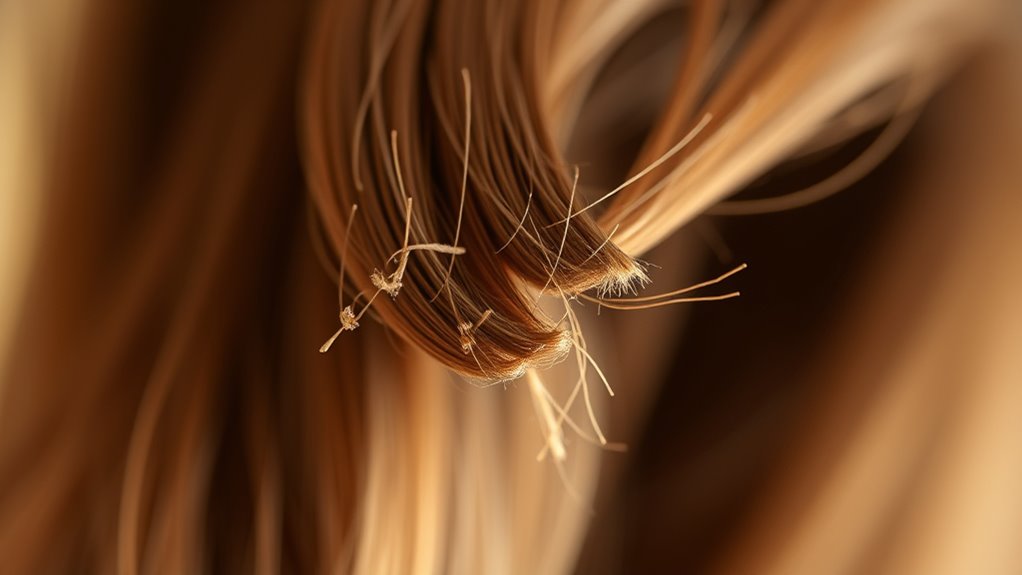
Have you ever noticed your hair splitting at the ends, leaving you frustrated with your look? That’s a common sign of split ends, which often result from hair damage. When your hair becomes damaged, the protective outer layer, the cuticle, wears down or breaks apart. This exposes the inner cortex, making your hair more vulnerable to further harm and causing those pesky splits. If you want to keep your hair healthy and minimize split ends, understanding what causes hair damage is key. Excessive heat styling, chemical treatments, and harsh shampoos strip moisture from your strands, weakening them over time.
To combat this, moisturizing treatments are essential. They help restore hydration, strengthen weakened hair, and improve overall texture. Regularly using deep conditioners or leave-in moisturizers provides a barrier that shields your hair from environmental stressors and mechanical breakage. Look for products enriched with natural oils like argan, coconut, or shea butter, as these ingredients penetrate deeply and lock in moisture. Consistent moisturizing treatments not only keep your hair soft and shiny but also help reduce the appearance of split ends by preventing further damage.
However, it’s important to recognize what doesn’t work. Many people believe that trimming split ends themselves will eliminate the problem permanently, but that’s only a temporary fix. While trimming does remove the visible damage, it doesn’t repair the split ends that are still present or prevent new ones from forming. Additionally, some over-the-counter remedies claim to “seal” split ends, but they only coat the hair temporarily and don’t address the root cause. Relying solely on these products can give you a false sense of security, leaving your hair vulnerable to ongoing damage.
You might also think that brushing your hair aggressively or using rough tools helps manage splits, but that’s a misconception. Harsh brushing can cause more hair damage and create new splits. Instead, opt for a wide-tooth comb and gentle detangling techniques. Combining this with consistent moisturizing treatments will strengthen your hair from within and help prevent further splitting. Remember, preventing split ends is a continuous process — protecting your hair from damage, nourishing it with moisture, and being gentle with your styling routines are your best strategies. While no product can completely repair split ends once they’re there, adopting healthy hair habits will markedly reduce their formation and help maintain a smoother, healthier look.
Products Worth Considering

Oral-B iO Series 7 Rechargeable Electric Toothbrush with 2 Brush Heads and Charging Travel Case

Withings BPM Vision Blood Pressure Monitor with Wi-Fi and Bluetooth

Withings Body Smart Wi-Fi and Bluetooth Body Composition Scale
As an affiliate, we earn on qualifying purchases.
Frequently Asked Questions
Can Split Ends Be Completely Repaired at Home?
Split ends can’t be completely repaired at home, but you can improve their appearance with DIY remedies like nourishing masks and trimming the damaged tips regularly. Salon treatments, such as deep conditioning and professional trims, offer a more effective solution for managing split ends. While you can’t fully repair them yourself, maintaining your hair with these methods helps prevent further damage and keeps your hair looking healthier.
How Often Should I Trim to Prevent Split Ends?
Think of your hair like a garden; regular trimming is the gardener’s tool to keep it healthy. To prevent split ends, you should trim every 6 to 8 weeks, which helps maintain hair health and keeps splits from traveling up the strands. Consistent trimming removes damaged ends before they worsen, ensuring your hair stays strong, shiny, and vibrant. Stick to this schedule, and your hair will thank you.
Do Natural Oils Effectively Seal Split Ends?
Natural oils can help improve sealing effectiveness, but they don’t truly repair or seal split ends. You might notice smoother, shinier hair, but oils can’t mend the damage once split ends form. To prevent further splitting, use natural oils like argan or coconut regularly to hydrate and protect your hair. For actual repair, trimming remains essential, but oils support overall hair health and may temporarily reduce appearance of roughness.
Are There Specific Hair Types More Prone to Split Ends?
You’re more likely to get split ends if you have fine, fragile hair texture or dry scalp health, which weakens hair strands. Curly or coarse hair types tend to be prone because their structure makes it harder to distribute natural oils evenly. To protect your hair, focus on maintaining scalp health with proper hydration and gentle handling, especially if your hair is prone to damage. Regular trims also help prevent split ends from worsening.
Can Diet Influence the Development of Split Ends?
Think of your hair as a garden; poor nutritional choices are like weeds that weaken your plants. Yes, your diet influences split ends—nutritional deficiencies can make your hair brittle and prone to damage. Poor dietary habits deprive your hair of essential nutrients, causing split ends to flourish. To keep your hair healthy and resilient, nourish your body with balanced nutrients, and avoid neglecting your diet’s role in hair strength.
Conclusion
Now that you know what helps and what hurts your hair, it’s all about making smarter choices. Regular trims, nourishing treatments, and gentle handling can keep your ends healthy and prevent split ends from creeping back. But remember, no magic fix is permanent—your hair needs ongoing care. So, aren’t you ready to give your locks the love they deserve and say goodbye to those pesky splits for good?