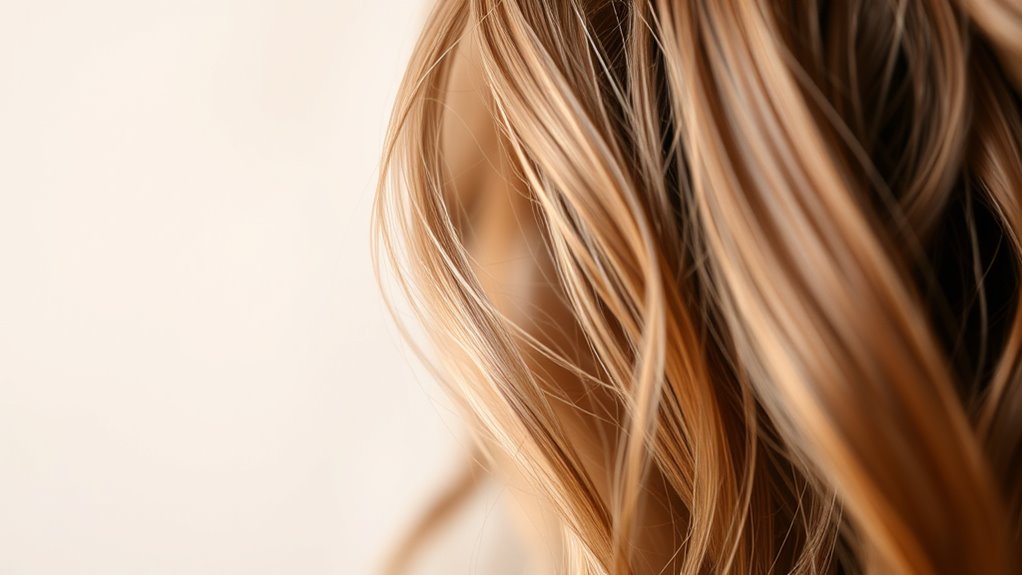

Understanding hair breakage involves recognizing its main causes, such as improper moisture balance, scalp issues, and styling habits that weaken strands. If your hair is too dry or lacks hydration, it becomes brittle and more prone to snapping. A neglected scalp can lead to buildup, irritation, and weaker follicles, increasing breakage risk. By addressing these factors and adopting gentle care practices, you can reduce damage. Keep exploring to discover effective strategies for stronger, healthier hair.
Key Takeaways
- Hair breakage often results from improper moisture balance related to hair porosity.
- An unhealthy scalp, with buildup or dryness, weakens hair strands and increases breakage risk.
- Overprocessing, heat styling, and harsh chemicals damage hair cuticles, causing more breakage.
- Maintaining scalp health and using suitable moisturizing treatments strengthen hair resilience.
- Regular gentle care and avoiding excessive manipulation help prevent hair breakage and promote growth.
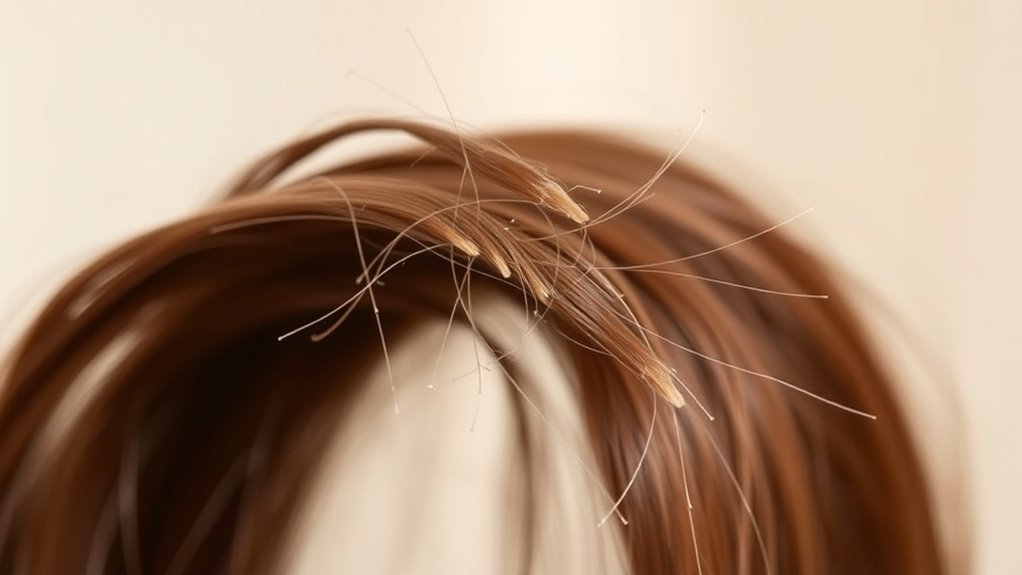
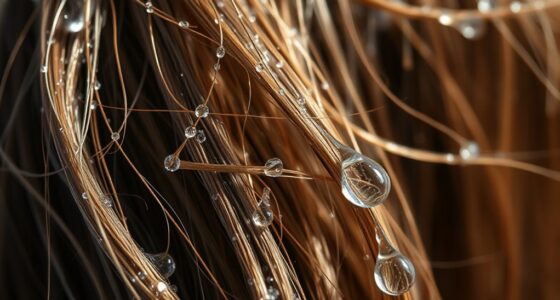
Have you ever wondered why your hair snaps or frays easily? One major factor to consider is your hair porosity, which affects how your hair absorbs and retains moisture. Hair porosity is fundamentally how well your hair can absorb water and other products. If your hair has high porosity, it absorbs moisture quickly but also loses it just as fast, leading to dryness and brittleness. Low porosity hair, on the other hand, resists moisture, making it difficult to hydrate properly. Understanding your hair porosity helps you choose the right products and hair care routine, preventing damage that can result in breakage. When your hair isn’t properly moisturized, it becomes weak and prone to snapping, especially during styling or detangling.
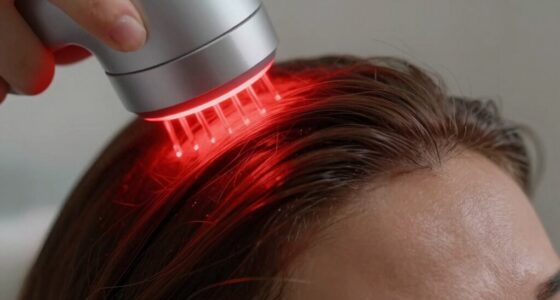
Another critical aspect intertwined with hair porosity is scalp health. Your scalp serves as the foundation for healthy hair growth, so neglecting it can lead to problems like dryness, excess oil, or buildup that weakens hair strands. An unhealthy scalp can cause your hair to become brittle and more susceptible to breakage. If your scalp is inflamed or irritated, it can hinder nutrient delivery to your hair follicles, resulting in weaker hair that breaks easily. Maintaining scalp health requires consistent cleansing to remove excess oil and buildup, along with gentle massages to stimulate blood flow. Using the right shampoo and avoiding harsh chemicals can help keep your scalp balanced and healthy, ensuring your hair remains strong and less prone to breakage. Additionally, scalp health can be improved through the use of nourishing treatments that support follicle strength and overall scalp condition.
Furthermore, understanding your hair porosity guides you in selecting appropriate moisturizing treatments, such as deep conditioners or oils that penetrate effectively without weighing your hair down. For high porosity hair, heavier creams and oils can seal in moisture, while lighter products suit low porosity hair better. When your scalp is healthy, it supports strong, resilient strands, reducing the risk of breakage caused by dryness or scalp conditions. It’s essential to pay attention to how your scalp feels and to address any issues promptly with suitable products or lifestyle changes.
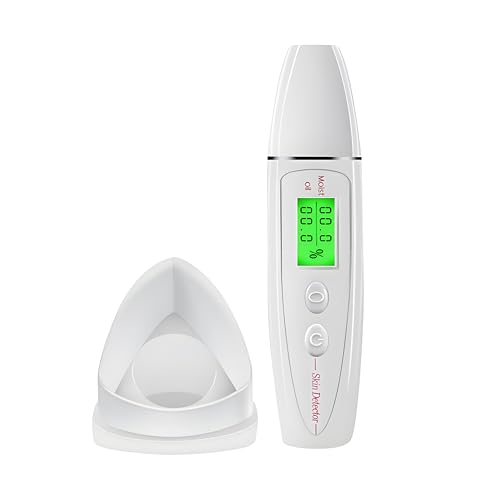
CYSFETENA Skin Hydration Tester, Portable Skin Moisturizer Water Oil Tester ,Digital LCD Smart Display Skinly Hydration for Face Care Beauty (White)
DIGITAL LCD DISPLAY: The simple and elegant appearance of our skin hydration tester is more attractive, with an...
As an affiliate, we earn on qualifying purchases.
Frequently Asked Questions
Can Hair Breakage Be Completely Reversed?
Yes, hair breakage can be reversed if you focus on restoring hair elasticity and addressing protein deficiency. When you nourish your hair with protein-rich treatments and avoid harsh chemicals, you help strengthen your strands. Consistent care, including deep conditioning and minimizing heat styling, allows your hair to regain flexibility and resilience. While complete reversal takes time, proactive steps can markedly improve your hair’s health and reduce future breakage.
How Does Diet Influence Hair Breakage?
Your diet substantially influences hair breakage because nutritional deficiencies can weaken hair strands. When you lack essential vitamins and minerals, your hair becomes more prone to breaking. Eating hair strengthening foods like eggs, nuts, and leafy greens helps provide nutrients like biotin, iron, and vitamins A and E, which support healthy growth and resilience. Including these foods in your diet can reduce breakage and promote stronger, healthier hair.
Are Natural Oils Effective in Preventing Hair Breakage?
Natural oils can be effective in preventing hair breakage when you focus on scalp hydration and proper oil absorption. They nourish your scalp, strengthen hair strands, and reduce dryness that leads to breakage. To maximize benefits, apply oils evenly and give your scalp time to absorb them. Regular use helps improve overall hair health, making your hair less prone to damage and breakage over time.
Is Hair Breakage Hereditary or Environmental?
Hair breakage can be caused by both hereditary and environmental factors. Genetic factors may make your hair more prone to breakage, but environmental triggers like heat styling, harsh chemicals, and poor nutrition often play a significant role. You can reduce breakage by protecting your hair from damaging surroundings and adopting healthy hair habits. While you can’t change genetics, understanding environmental triggers helps you take control and keep your hair stronger.
How Often Should I Trim to Prevent Breakage?
Think of your hair as a delicate garden needing regular tending. You should trim every 6 to 8 weeks to keep it thriving and prevent breakage. This trim frequency helps remove split ends and keeps your hair healthy. Incorporate consistent hair health routines like moisturizing and gentle brushing, so your hair remains resilient and strong. Regular trims act as the pruning that keeps your locks lush and vibrant.

Semme Skin Hydration Tester, Analyzer Machine Professional, Digital Skin Oil Sensor, Analyzer Tester Water Oil Monitor LCD Display Monitoring Meter for Face and Body
[Material] Crafted from premium abs ecofriendly material this skin tester is safe and sturdy for longterm use. its...
As an affiliate, we earn on qualifying purchases.
Conclusion
By embracing gentle care and mindful habits, you can nurture your hair back to its graceful luster. Remember, occasional setbacks are simply whispers of your hair’s natural rhythm, not a reflection of your worth. With patience and tender attention, you’ll restore its energy and elegance. Trust in your journey toward healthier hair, and let each careful step be a quiet testament to your commitment to beauty and well-being.

Kaome 100% Mulberry Silk Bonnet for Sleeping Women, 22 Momme Double Layer Silk Hair Wrap, Non-Slip Sleep Cap with Adjustable Elastic Band for Long Curly Hair Care, Comfortable and Breathable, Black
100% Pure Silk Bonnet: Hair bonnet for sleeping both the inner and outer layers are both made of...
As an affiliate, we earn on qualifying purchases.

YFONG Mulberry Silk Hair Bonnet for Sleeping Women Men, Real Silk Lining, Not Satin, Stay On All Night Sleep Bonnet with Adjustable Strap for Curly Short Long Fine Hair, Black
Luxurious 22 Momme Silk Lining: Experience premium hair care with our silk lined beanie, crafted from 22 momme...
As an affiliate, we earn on qualifying purchases.