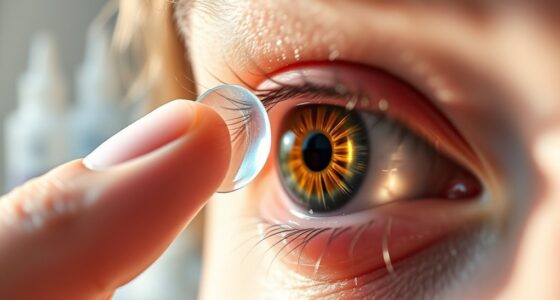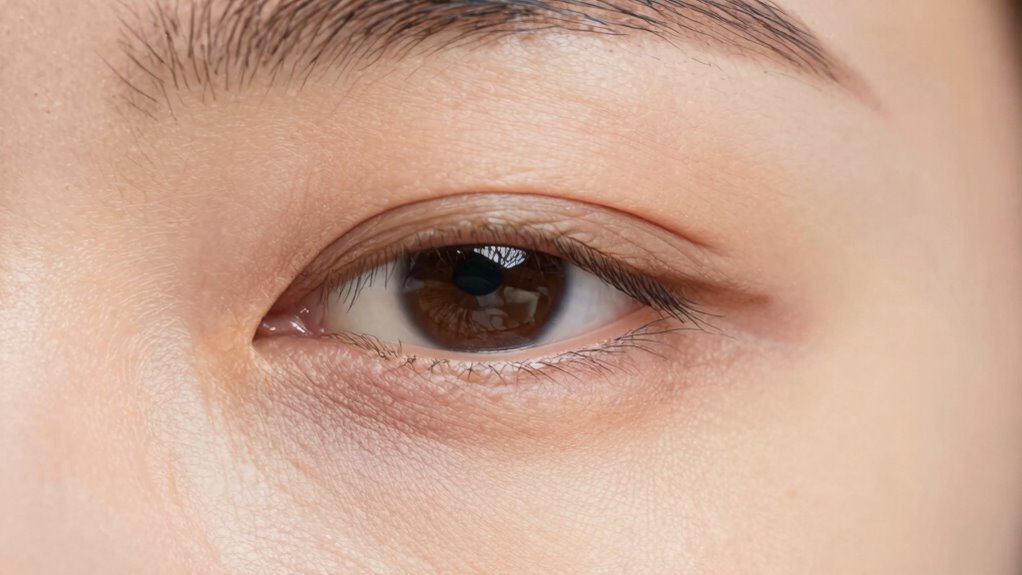

The skin around your eyes shows dehydration faster because it’s thinner, has fewer oil glands, and produces less natural moisture. This makes it more sensitive to environmental stressors like sun damage, which accelerates collagen breakdown and weakens the skin. As aging occurs, loss of collagen and elastin further reduces firmness, making dehydration signs more visible. Want to find out how to protect and hydrate this delicate area effectively? Keep exploring to learn more.

Get beauty and skincare favorites delivered free with Prime
- Fast, free delivery on millions of items
- Prime Video, Amazon Music and more included
- Member-only deals all year
Key Takeaways
- The skin around the eyes is thinner with fewer oil glands, making it more prone to dehydration.
- Reduced collagen and elastin weaken the skin, causing dehydration signs to appear more rapidly.
- Less natural moisture production in the eye area accelerates dehydration compared to other facial regions.
- Sun damage and oxidative stress specifically harm the delicate eye skin, increasing dehydration effects.
- The eye area’s high exposure and delicate structure make dehydration symptoms more visible and faster to manifest.
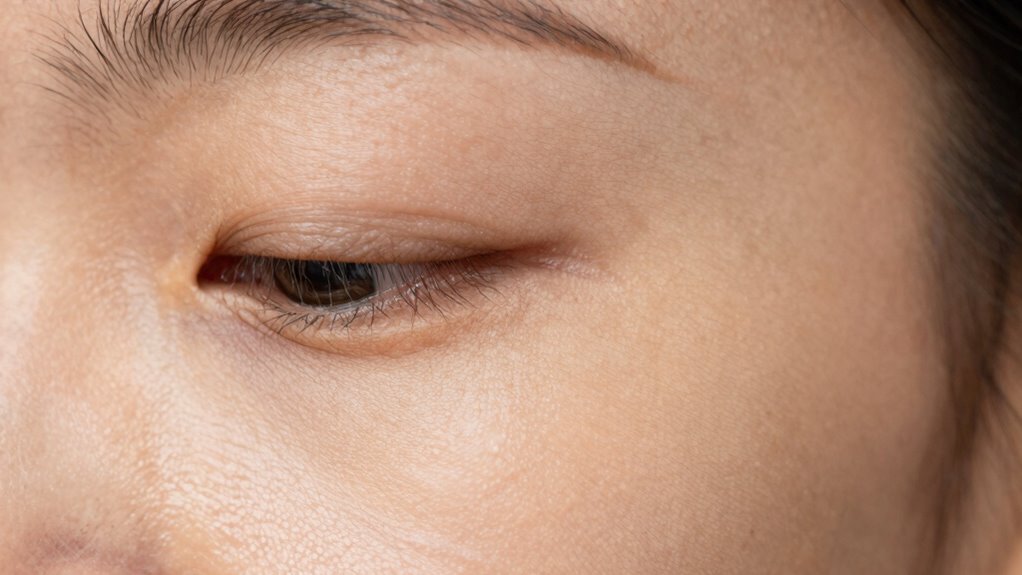
You might notice the skin around your eyes looking tired, dull, or creased more quickly than other areas of your face, and that’s because this delicate region is more prone to dehydration. The skin here is thinner, with fewer oil glands to produce natural moisture, making it especially susceptible. This susceptibility means dehydration signs appear faster, and over time, they can become more pronounced due to aging effects and sun damage.
As you age, your skin naturally loses collagen and elastin, which are essential for maintaining firmness and elasticity. The reduction of these proteins leaves the skin more fragile and less capable of retaining moisture. The thin skin around your eyes accentuates this weakening, so dehydration becomes more visible early on. Fine lines and wrinkles deepen because the skin struggles to bounce back from dehydration and aging effects. Sun damage compounds this issue by breaking down collagen further, accelerating aging effects and increasing water loss.
Sun exposure is a leading factor in the faster dehydration of the eye area. UV rays cause oxidative stress, which damages skin cells and accelerates aging effects. Over time, this damage diminishes the skin’s ability to hold water, resulting in dryness and the appearance of creases. The more sun damage your skin sustains, the more it becomes compromised in its moisture-retention capacity. That’s why protecting your eye area with broad-spectrum sunscreen and sunglasses is vital—these barriers help prevent additional sun damage and slow down the dehydration process.
Dehydration in the eye area isn’t just about appearance; it also affects your skin’s health. When moisture levels drop, the skin’s natural repair processes slow down, making it harder to recover from aging effects and damage. This creates a vicious cycle: dehydration worsens the appearance of fine lines and dullness, which then makes signs of aging more noticeable. Incorporating hydrating eye creams with ingredients like hyaluronic acid and antioxidants can be especially beneficial in maintaining skin moisture levels, which help replenish moisture and repair sun-damaged skin.
Ultimately, the skin around your eyes shows dehydration faster because it’s inherently more delicate, and the impacts of aging effects and sun damage exacerbate this vulnerability. Maintaining proper hydration and protecting this area from environmental stressors is crucial for skin health and longevity. Taking steps to protect, hydrate, and nourish this area can slow down these effects, helping you maintain a youthful, healthy appearance longer.
hydrating eye cream with hyaluronic acid
As an affiliate, we earn on qualifying purchases.
As an affiliate, we earn on qualifying purchases.
Frequently Asked Questions
How Can I Tell if My Eye Area Is Dehydrated?
You can tell if your eye area is dehydrated by noticing dryness, fine lines, or a dull, tired look. If your skin feels tight or shows puffiness, it might be dehydrated. To improve this, use an eye cream with hydrating ingredients and incorporate hydrating masks into your routine. These products help boost moisture, reduce signs of dehydration, and keep the delicate skin around your eyes plump and refreshed.
Are There Specific Ingredients That Target Eye Dehydration?
Yes, certain ingredients in eye creams and hydrating serums specifically target dehydration. Look for hyaluronic acid, which attracts moisture, and glycerin for deep hydration. Peptides can boost skin elasticity, while antioxidants like vitamin C protect against environmental damage. These ingredients work together to hydrate and plump the delicate eye area, reducing fine lines and puffiness. Incorporate these products into your routine for effectively combating eye dehydration.
Can Dehydration Cause Permanent Damage Around the Eyes?
Dehydration around your eyes is like a warning sign, but it usually doesn’t cause permanent damage if caught early. While aging effects and loss of skin elasticity can make dehydration more noticeable, persistent dryness can contribute to fine lines and sagging over time. Keep your skin hydrated and use targeted eye creams to maintain elasticity, preventing long-term issues. Proper care now helps preserve your youthful appearance later.
How Does Diet Influence Eye Area Hydration Levels?
Your diet plays a vital role in your eye area’s hydration. Consuming water-rich foods and staying well-hydrated supports your skincare routines and keeps your skin plump. Incorporate hydrating masks into your routine for extra moisture. Avoid excessive caffeine and salty foods that can dehydrate you. A balanced diet with fruits, vegetables, and omega-3s helps maintain the delicate skin around your eyes, reducing dehydration signs and promoting a healthier, more refreshed appearance.
Are There Lifestyle Habits That Worsen Eye Dehydration?
Think of your eye area as a delicate sponge that quickly shows signs of drying out. Poor hydration habits and lifestyle factors like smoking, excessive alcohol, and lack of sleep worsen eye dehydration. These habits strip moisture faster, making fine lines and puffiness more noticeable. To protect your eyes, maintain consistent hydration, avoid smoking, limit alcohol, and get enough rest—your skin will thank you with a more youthful, plump appearance.
Conclusion
So, here’s the irony—you spend all that time and effort moisturizing your face, but neglect the delicate eye area, which shows dehydration first. It’s like ignoring the most fragile part of a house and then wondering why it’s falling apart first. Next time, don’t forget those tiny, vulnerable eyes. After all, they’re the first to reveal your true hydration status, even if you’ve been hiding it with makeup or masks. Better to nourish than ignore.
Fall Picks
fall essentials
As an affiliate, we earn on qualifying purchases.