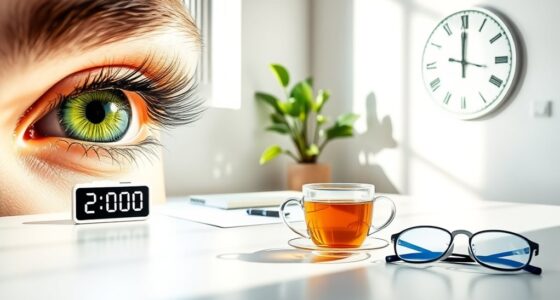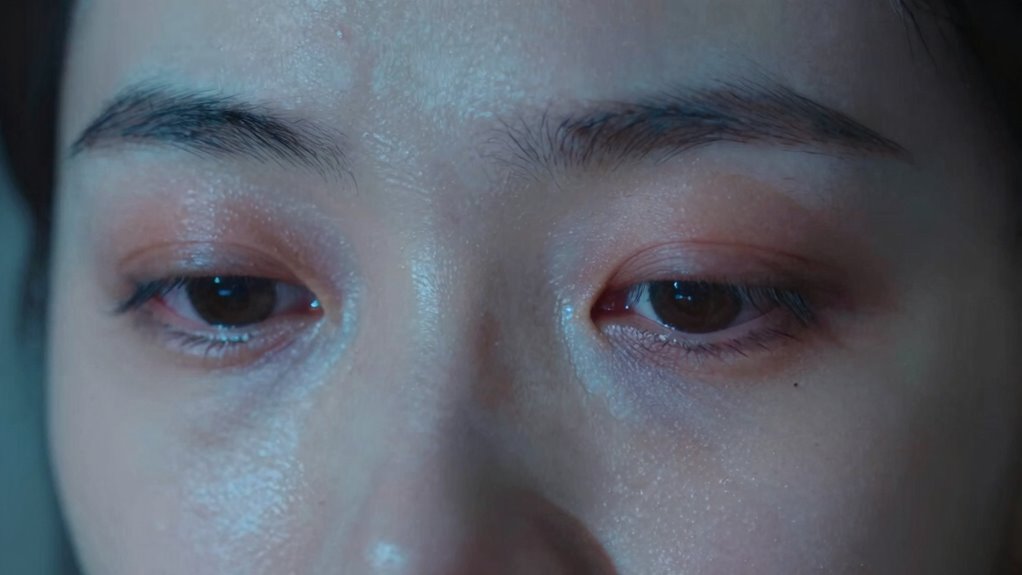

Screen fatigue makes your eyes feel dry, gritty, and strained, often resulting in blurred vision and headaches, while reduced blinking worsens dryness. Your skin can feel tighter, look dull, and show premature signs of aging due to oxidative stress from blue light exposure. Poor posture from long screen use adds tension around your face and neck, creating lines and discomfort. If you stay aware of these effects, you’ll uncover ways to protect yourself and feel better.

Get beauty and skincare favorites delivered free with Prime
- Fast, free delivery on millions of items
- Prime Video, Amazon Music and more included
- Member-only deals all year
Key Takeaways
- Prolonged screen time causes eye dryness, blurred vision, and headaches due to reduced blinking and blue light exposure.
- Blue light induces oxidative stress in skin cells, leading to dullness, fine lines, and premature aging signs.
- Eye and facial tension from poor posture can promote skin creases and discomfort.
- Disrupted sleep from blue light exposure worsens skin dullness and accelerates aging.
- Reduced hydration and environmental factors during screen use exacerbate dry, irritated skin and eye strain.

Have you ever noticed your eyes straining or your skin feeling dry after long hours in front of a screen? That’s a common sign of screen fatigue, which affects both your eyes and skin in subtle but significant ways. When you spend extended periods looking at digital devices, your eyes constantly focus on the screen, causing digital strain. This strain is worsened by exposure to blue light, the high-energy visible light emitted by screens. Blue light penetrates deep into your eyes, leading to eye discomfort, blurred vision, and even headaches. Over time, this can cause your eyes to feel tired, gritty, or dry as your blinking rate decreases, reducing tear production and making your eyes less lubricated. Additionally, prolonged blue light exposure can contribute to oxidative stress in skin cells, further accelerating signs of aging.
Your skin also reacts to prolonged screen exposure. While it might seem unrelated, the effects are connected to your overall environment and habits. For instance, staring at screens often coincides with reduced physical activity and inadequate hydration, which can dry out your skin. Additionally, blue light exposure can generate oxidative stress in skin cells, leading to premature aging signs like fine lines and dullness. You might notice that your skin feels tighter or shows more redness after long screen sessions, especially if you’re in a dry or heated indoor environment. The constant focus on screens can also result in poor posture, which leads to tension around your neck and face, encouraging the development of lines and creases. Maintaining good posture can help reduce some of these effects on your skin and muscles.
Prolonged screen time can cause skin redness, dullness, and premature aging due to oxidative stress and poor posture.
As your body responds to digital strain, you might also notice changes in your sleep patterns. The blue light emitted by screens interferes with your melatonin production, making it harder to fall asleep and reducing sleep quality. Poor sleep, in turn, accelerates skin aging and dullness, creating a cycle that worsens your overall appearance. It’s also important to be aware that screen brightness can influence the degree of eye and skin discomfort, making it beneficial to adjust your device settings accordingly. Recognizing the impact of digital exposure on your health can motivate you to adopt healthier habits. The cumulative effects of screen fatigue can leave your eyes feeling gritty and your skin feeling tight, dry, or irritated.
blue light blocking glasses for computer
As an affiliate, we earn on qualifying purchases.
As an affiliate, we earn on qualifying purchases.
Frequently Asked Questions
Can Screen Fatigue Cause Long-Term Eye Damage?
Screen fatigue can contribute to long-term eye damage if you ignore symptoms like eye strain and digital glare. Prolonged exposure to screens causes eye muscles to overwork, leading to discomfort and potential issues like dry eyes or blurred vision. While it might not cause permanent damage immediately, consistent strain without breaks can worsen vision over time. To protect your eyes, take regular breaks and reduce glare whenever possible.
How Does Screen Time Affect Skin Aging?
Excessive screen time exposes your skin to blue light, which can accelerate aging by promoting collagen depletion. This weakens your skin’s elasticity, leading to wrinkles and dullness over time. When you spend long hours in front of screens, your skin’s natural repair process slows down, making signs of aging more prominent. To protect your skin, limit screen exposure and use blue light filters or skincare products that boost collagen.
Are Certain Screen Types More Harmful Than Others?
Yes, certain screen types are more harmful than others. Devices with high blue light emissions, like smartphones and tablets, can cause more eye strain and skin stress, especially if the screen brightness is set too high. Prolonged exposure to blue light disrupts sleep and accelerates skin aging. To protect yourself, lower your screen brightness, use blue light filters, and take regular breaks to reduce eye fatigue and skin damage.
What Are Quick Remedies for Screen-Induced Skin Issues?
If your skin feels irritated from screen time, try a quick remedy like applying a soothing aloe vera gel or a cold compress to reduce redness and inflammation. Incorporate simple skincare routines, such as gentle cleansing and moisturizing, and include dietary tips like increasing water intake and eating antioxidant-rich foods. For example, a person noticed their skin calming down after consistent hydration and using calming skincare products post-screen exposure.
Does Screen Fatigue Impact Vision Beyond Eye Discomfort?
Yes, screen fatigue can impact your vision beyond just eye discomfort. Digital eye strain and visual fatigue may cause blurred vision, headaches, or difficulty focusing over time. You might notice your eyes feel tired or dry, and your ability to see clearly could decline, especially after long screen sessions. To minimize these effects, take regular breaks, adjust your screen brightness, and practice the 20-20-20 rule to protect your eyesight.
Conclusion
So, next time you complain about tired eyes or flaky skin, remember it’s your screens throwing a party in your face. With every scroll and click, you’re unwittingly turning your eyes into raisins and your skin into a parchment. Maybe it’s time to break up with your devices, or at least give them a timeout. Because if your eyes and skin could talk, they’d definitely call for a much-needed vacation — from you.
Fall Picks
fall essentials
As an affiliate, we earn on qualifying purchases.