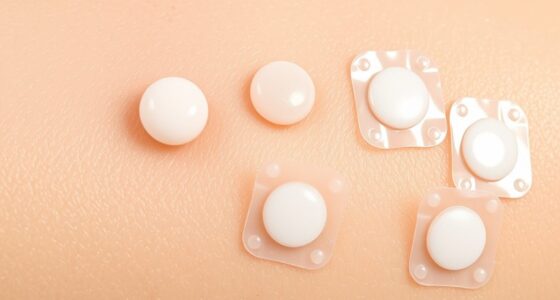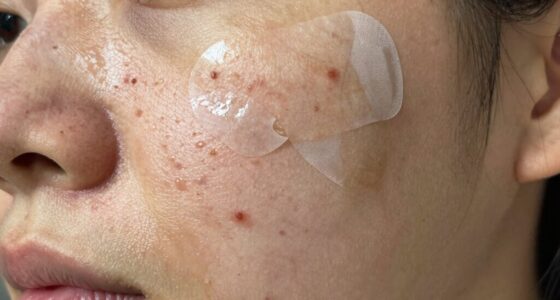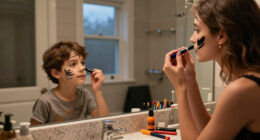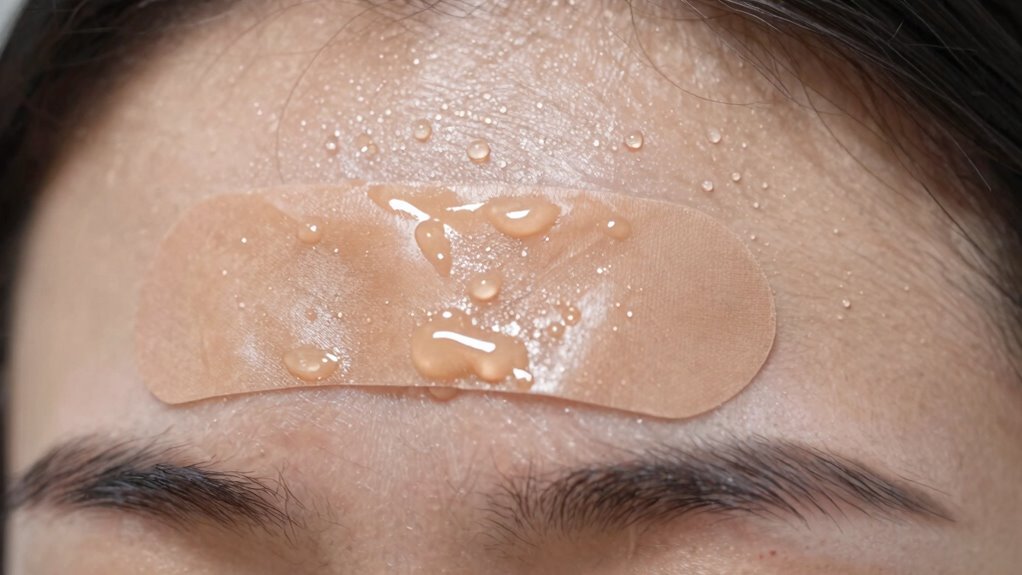

Workout sweat can cause acne patches to lift or peel prematurely by trapping moisture and disrupting adhesion. If your skin is sweaty or moist, patches are less likely to stay put, reducing their effectiveness. Properly drying your skin before applying patches and waiting for it to cool down after exercise helps them stick better. Managing sweat and maintaining skin dryness are key — keep going to find out how to optimize patch success during workouts.

Get beauty and skincare favorites delivered free with Prime
- Fast, free delivery on millions of items
- Prime Video, Amazon Music and more included
- Member-only deals all year
Key Takeaways
- Sweat can cause acne patches to lift or peel prematurely, reducing their effectiveness during workouts.
- Excess moisture from sweat can trap underneath patches, compromising adhesion and active ingredient delivery.
- Sweat temporarily alters skin pH, weakening patch adhesive and increasing irritation risk.
- Proper skin dryness and cooling down before reapplying patches improve their sticking during exercise.
- Hydrated and clean skin enhances patch adherence and overall treatment success during physical activity.
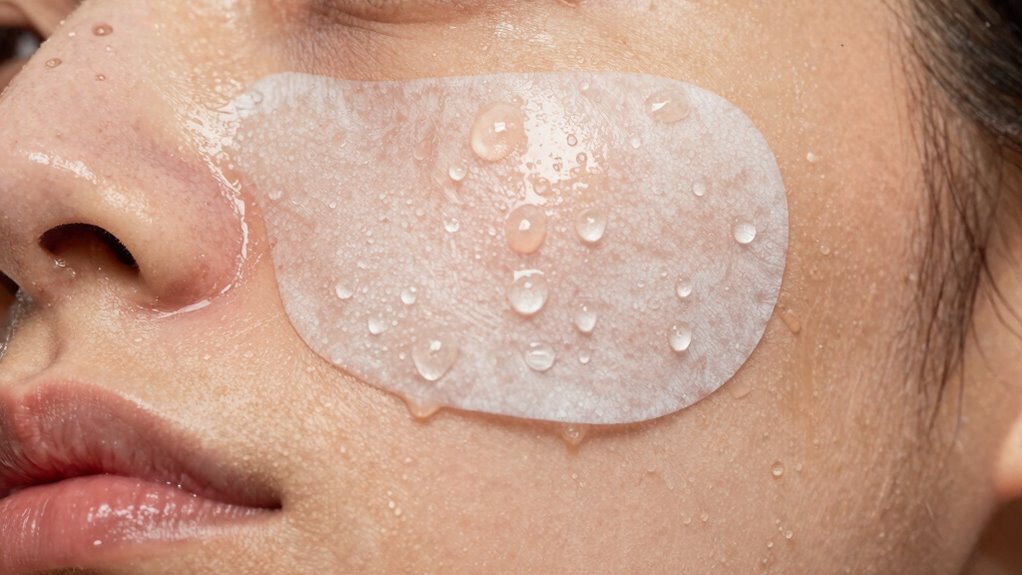
Have you ever wondered how sweat during a workout affects the effectiveness of your acne patches? When you exercise, your body produces sweat to cool down, but this process can significantly impact how well your acne patches stick and work. One key factor is your hydration levels. If you’re dehydrated, your skin can become dry and flaky, making it harder for the patch to adhere properly. Conversely, staying well-hydrated helps maintain your skin’s moisture balance, allowing the patch to stick smoothly and stay in place longer. Proper hydration also supports your skin’s natural healing process, which can enhance the patch’s ability to deliver active ingredients effectively.
Beyond hydration, sweat influences your skin’s pH balance, which is crucial for the success of acne patches. Your skin’s pH naturally hovers around 4.5 to 5.5, creating an acidic environment that inhibits bacterial growth and maintains a healthy skin barrier. When you workout, sweat can alter this pH, making your skin more alkaline temporarily. This shift can weaken the adhesive qualities of your acne patches, causing them to lift or peel prematurely. Additionally, a disrupted pH balance can make your skin more prone to irritation and breakouts, especially if the patch isn’t adhering properly or if sweat gets trapped underneath. Sweat’s impact on skin pH is an important factor to consider in maintaining acne patch effectiveness. Understanding how these changes affect your skin’s acid mantle can help you develop better routines for skincare during workouts.
Furthermore, fluctuations in skin’s pH during exercise can influence the skin’s barrier function, potentially increasing the risk of irritation or infection if not managed properly. If you’re planning to wear an acne patch during or after a workout, it’s important to consider how sweat and your skin’s condition impact patch performance. You might find that applying the patch immediately after cleaning your skin and before you start exercising helps it adhere better. Alternatively, waiting until you’ve cooled down and your skin has dried can prevent sweat from interfering with the patch’s adhesion. Some people prefer to remove the patch during intense workouts, then reapply once they’re done and their skin has stabilized. Keeping your skin clean and dry before reapplying can help restore the optimal pH balance and ensure the patch sticks securely. Additionally, understanding how skin’s pH plays a role in patch success can help you develop better skincare routines around workouts. Proper skin pH balance is essential for maintaining healthy skin and maximizing the effectiveness of your acne treatments.
Products Worth Considering

Levoit Vital 100S-P Air Purifier with Washable Pre-Filter

BowFlex Results Series SelectTech Dumbbells

Oral-B iO Series 3 Rechargeable Electric Toothbrush for Adults, Black, with 2 Brush Heads and Travel Case
As an affiliate, we earn on qualifying purchases.
Frequently Asked Questions
Can Sweat Cause Allergic Reactions With Acne Patches?
Sweat can cause allergic reactions with acne patches if your skin is sensitive or exposed to allergens. When you work out, sweat may trap bacteria or irritants under the patch, increasing the risk of skin sensitivity. To reduce allergen exposure, make sure to clean your skin thoroughly before applying patches and avoid exercising intensely with patches on. If you notice redness or irritation, remove the patch and consult a dermatologist.
How Long Should I Wait After Sweating to Apply a Patch?
Think of your skin as a delicate canvas; after sweating, give it time to breathe. Wait at least 20-30 minutes for sweat to evaporate and your skin to dry completely before patch application. This sweat management step prevents moisture from trapping bacteria or causing irritation. Applying your acne patch on a clean, dry surface guarantees better adhesion and absorption, helping it work more effectively and boosting your chances of clearer skin.
Does Sweat Increase the Risk of Skin Irritation Under Patches?
Sweat can increase the risk of skin irritation under patches because it affects sweat and patch adhesion, making the patch less secure and more likely to cause irritation. Additionally, sweat can lead to skin hydration effects that weaken the skin’s barrier, increasing sensitivity. To minimize risks, make sure your skin is dry and clean before applying a patch, and avoid excessive sweating during wear. Proper preparation helps keep your skin comfortable and patch effective.
Can Exercise Improve or Worsen Acne Overall?
Exercise benefits your skin by increasing blood flow and reducing stress, which can help improve acne overall. However, sweat drawbacks—like clogged pores and irritation—might worsen breakouts if you don’t shower promptly or keep your skin clean. To maximize benefits, wash your face after sweating and avoid touching your skin. This way, you enjoy the positive effects of exercise without letting sweat drawbacks undermine your skin health.
Are Certain Ingredients in Patches More Effective When Sweating?
Certain ingredients in acne patches can be more effective when you sweat, thanks to increased absorption. Sweat can help active ingredients penetrate deeper into your skin, boosting their effectiveness. Look for patches with sweat-resistant designs to prevent premature detachment during workouts, ensuring sustained contact. This combination allows ingredients like salicylic acid or tea tree oil to work better, helping clear your skin more efficiently while you stay active.
Conclusion
As your sweat mingles with your efforts, it symbolizes the journey of healing—embracing both the struggle and the release. Just like sweat clears the path to your fitness goals, it also clears the way for your skin to heal. Trust this natural process, knowing that each drop signifies progress. In this dance of perseverance, your acne patches work silently, shining like quiet tokens of victory beneath the surface—reminding you that growth often happens in the most unexpected moments.