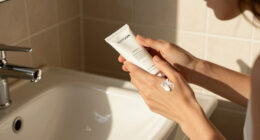
The visibility of acne patches under makeup depends on their size, texture, and how well they stick to your skin. Larger or raised patches tend to be more noticeable because they create uneven surfaces and can lift or show through foundation. Patches with a glossy finish or weak adhesion also make them more visible, especially if your skin is oily or if makeup isn’t applied carefully. For more tips on hiding patches effectively, keep exploring this topic further.

Get beauty and skincare favorites delivered free with Prime
- Fast, free delivery on millions of items
- Prime Video, Amazon Music and more included
- Member-only deals all year
Key Takeaways
- Larger, raised pimples make patches more visible under makeup due to surface elevation.
- Poor patch adhesion causes gaps, allowing makeup to seep underneath or lift edges.
- Glossy or slick patch textures reflect light, increasing visibility under makeup.
- Inadequate skin preparation reduces adhesion, leading to uneven patches that show through makeup.
- Heavy or poorly blended makeup can accentuate patch edges and imperfections.
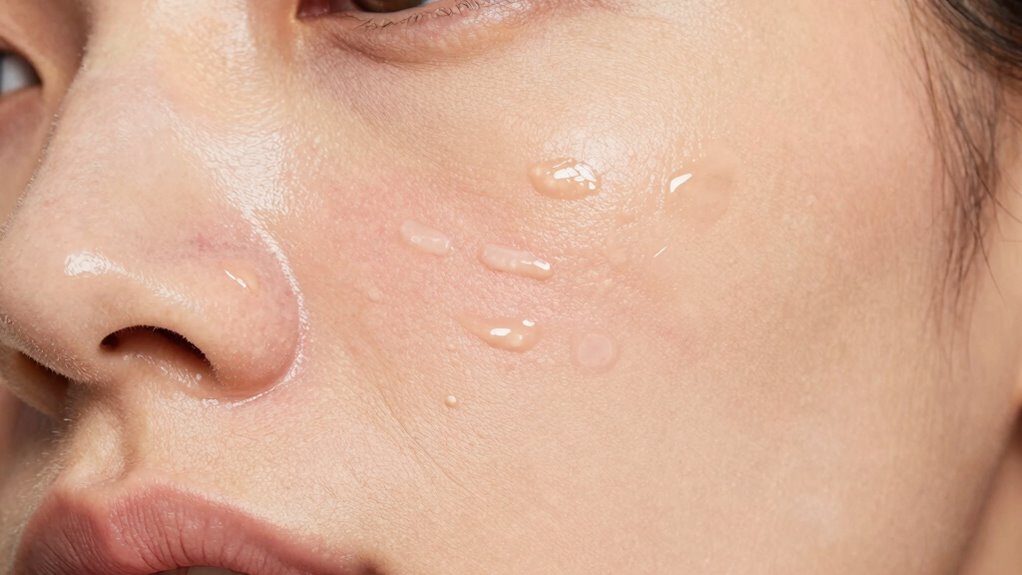
If you’ve ever noticed some acne patches peek through your makeup more than others, you’re not alone. It can be frustrating to put effort into your makeup routine only to see those patches subtly breaking through. One of the main reasons for this is the variation in pimple size. Larger pimples tend to be more noticeable under makeup because they create a raised surface, making it harder for the patch to stay completely flush with your skin. Smaller pimples, on the other hand, often blend better and are less obvious, especially if the patch adheres well and the makeup is applied smoothly over it.
Larger pimples create raised surfaces that make patches more visible under makeup.
Patch adhesion plays an essential role here. If the acne patch doesn’t stick firmly to your skin, makeup can seep underneath or lift the edges, revealing the patch. Factors like skin oiliness, sweat, or even skincare products that haven’t fully absorbed can compromise adhesion. When the patch isn’t securely attached, the makeup might settle into the gaps, highlighting the patch rather than concealing it. To improve patch adhesion, you might need to prep your skin properly—cleanse thoroughly, use a lightweight primer, or allow any serums or moisturizers to fully sink in before applying the patch. Proper skin preparation can significantly enhance patch adhesion and help your makeup stay flawless. When the patch adheres well, it creates a smooth surface that makes makeup application easier and more seamless. Additionally, understanding patch texture can help you select the right type for better concealment. A better understanding of skin texture can also aid in choosing the most suitable patch for your specific skin type, leading to improved concealment.
Another aspect to think about is the texture of the patch itself. Some patches are designed with a matte or slightly textured surface, which can help prevent makeup from sliding over them and revealing their edges. Conversely, patches with a glossy or slick finish might be more prone to showing through makeup, especially if the product isn’t fully absorbed or if you apply a heavy layer of foundation or concealer over it. Choosing patches with a matte finish can further improve their concealment and reduce shine that might make them more visible under makeup. Additionally, selecting patches that match your skin tone can make them less noticeable, especially with certain skin tones or under specific lighting.
The type of makeup you use also matters. Thick, heavy foundations or powders can sometimes obscure the patch, but they can also highlight edges if not blended carefully. Light, buildable coverage tends to work better for concealing patches while maintaining a natural look. Ultimately, achieving a look where acne patches stay hidden under makeup requires attention to patch size, adhesion, skin prep, and makeup choice. When all these elements align, you’ll notice fewer patches peeking through, helping you achieve a smoother, more confident finish.
As an affiliate, we earn on qualifying purchases.
Frequently Asked Questions
Do Different Skin Types Affect How Acne Patches Appear Under Makeup?
Yes, different skin types affect how acne patches appear under makeup. If your skin is well-hydrated, patches tend to blend better and stay less noticeable. Conversely, dry skin can cause patches to lift or stick out. Skin with oily or textured areas may impact patch adhesiveness, making patches more visible or prone to shifting under makeup. Proper skincare guarantees ideal hydration and adhesion, helping acne patches stay discreet under your makeup.
Can the Color of an Acne Patch Influence Its Visibility Under Makeup?
Yes, the color of an acne patch can influence its visibility under makeup. Bright or contrasting colors create a higher color contrast, making the patch more noticeable. For better makeup compatibility, opt for skin-tone or translucent patches that blend seamlessly. Choosing the right color minimizes visibility, helping your makeup look smooth and natural, and guarantees your acne treatment stays discreet throughout the day.
How Does the Size of an Acne Patch Impact Its Visibility Beneath Makeup?
If the acne patch is too large, it can catch your eye under makeup, revealing more than you want. Smaller patches blend better because they create less texture contrast, making edges easier to blend seamlessly. When size is just right, edge blending becomes smoother, hiding the patch beneath your makeup. But beware—an oversized patch might just be your secret giveaway, so choosing the right size keeps your skin looking flawless and natural.
Do Makeup Application Techniques Affect How Patches Show Through?
Yes, your makeup application techniques can influence how patches show through. When you use proper makeup layering and focus on texture blending, you create a smoother surface that better conceals patches. Applying thin layers and blending well helps reduce the patch’s visibility. Avoid heavy application directly over patches, as it can make them more noticeable. With careful technique, your makeup can seamlessly hide acne patches for a more even, natural look.
Can Specific Ingredients in Acne Patches Cause More Visibility Under Makeup?
Yes, specific ingredients in acne patches can cause more visibility under makeup. Ingredients like benzoyl peroxide or salicylic acid may interact with makeup, making patches more noticeable. Additionally, patch thickness plays a role; thicker patches tend to show through makeup more clearly. To minimize visibility, choose thinner patches with ingredients that don’t react with your makeup, and apply makeup carefully around the patch to blend seamlessly.
Conclusion
So, when choosing acne patches, think of them as tiny guardians on your skin—some wear their armor more boldly under makeup than others. Their transparency and texture can be as delicate as a whisper or as bold as a drumbeat, revealing or concealing your skin’s secrets. By understanding their unique qualities, you can master the art of flawless concealment, allowing your natural beauty to shine through, unburdened by the unseen battles beneath your makeup’s shimmering veil.
Halloween Picks
halloween
As an affiliate, we earn on qualifying purchases.