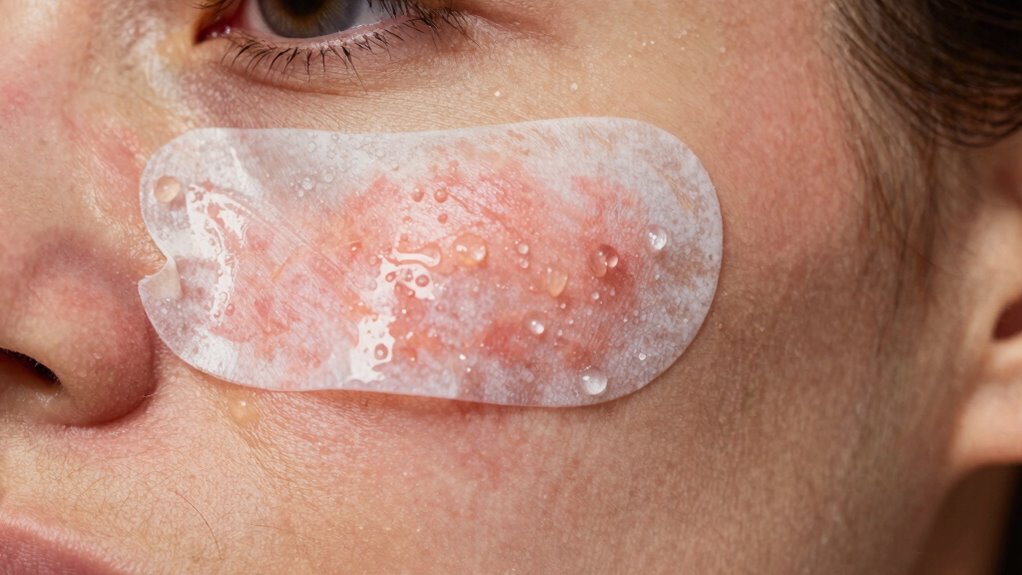

Acne patches often peel off unexpectedly because your skin’s natural renewal process, overuse of exfoliating products, or excessive moisture can weaken the adhesive just when you need it most. Touching or sweating around the patch also loosens its grip. Harsh skincare or oily skin reduce adhesion, causing early peeling. By understanding these factors, you can improve patch longevity and keep your skin clearer. Keep going to discover tips that help patches stay put longer.

Get beauty and skincare favorites delivered free — and shop member deals
- Fast, free delivery on millions of items
- Access to Prime Big Deal Days deals on October 6–7
- Prime Video, Amazon Music and more included
Key Takeaways
- Excessive exfoliation weakens adhesive, causing patches to lift prematurely.
- Environmental factors like sweat, water, or oils reduce patch adhesion during critical moments.
- Skin shedding or renewal cycles disrupt the bond, leading to unexpected peeling.
- Using harsh skincare products or touching the patch can loosen its grip unexpectedly.
- Poor skin preparation or incompatible patches decrease adherence, increasing peel-off risk.

If you’ve noticed your acne patches peeling off prematurely, you’re not alone. It’s frustrating when your carefully chosen pimple treatment seems to fall apart just when you need it most. Acne patches are designed to protect your blemishes and promote healing, but sometimes they peel off earlier than expected, leaving you puzzled. One common reason is that your skin might be going through some natural or induced skin exfoliation. When your skin sheds dead cells faster than usual, it can loosen the adhesive of the patch, causing it to peel away prematurely. This process is often accelerated by factors like excessive washing, harsh skincare products, or even the natural renewal cycle of your skin.
Understanding skin exfoliation is essential. It’s a normal part of skin renewal, but if it happens too aggressively or suddenly, it can interfere with your pimple treatment efforts. When your skin exfoliates too quickly, the patch no longer adheres properly, and it might lift off before it has had a chance to fully work. If you’re using products that promote skin shedding, such as exfoliating acids or scrubs, you might notice your patches don’t stick as long as they should. While these products are beneficial for overall skin health, overdoing them can compromise the adhesive’s grip, especially on sensitive or freshly exfoliated skin. Recognizing skin renewal processes can help you better time your skincare routine to avoid unnecessary patch peeling. Additionally, environmental factors like humidity or water exposure can further weaken the adhesive, making it more susceptible to peeling. Proper skin care practices can help maintain the integrity of your patches, even during active skin shedding. Being aware of adhesive properties and how they interact with your skin’s condition can also help you choose the right patches for your needs.
Skin exfoliation can reduce patch adhesion, especially when overdone with acids or scrubs.
Another factor is the environment. Humidity, sweat, or water exposure can weaken the adhesive of acne patches, making them more prone to peeling off. If you’re active or caught in the rain, moisture can interfere with the patch’s ability to stay put. Additionally, if you touch or scratch the area around the patch, you risk loosening its grip. Sometimes, skin oils or lotions applied nearby can also reduce adhesion, especially if they are thick or oily, which can create a barrier between the patch and your skin. Moisture and external factors can significantly impact how well your patch stays in place, so managing your environment when possible can help improve adhesion. Properly preparing your skin beforehand, such as cleaning and drying the area, can also enhance how well the patch adheres. Being mindful of adhesive strength and choosing patches suited to your skin type can further prevent premature peeling.
hydrocolloid acne patches for sensitive skin
As an affiliate, we earn on qualifying purchases.
As an affiliate, we earn on qualifying purchases.
Frequently Asked Questions
Can Acne Patches Cause Skin Irritation or Allergies?
Yes, acne patches can cause skin irritation or allergies if you have sensitive skin or allergies to certain ingredients. You might experience allergic reactions like redness, itching, or swelling, especially if the patch contains adhesives or active ingredients you’re allergic to. To avoid issues, always check the ingredients and do a patch test first. If your skin feels irritated or shows signs of sensitivity, remove the patch immediately and consult a dermatologist.
How Long Should I Leave an Acne Patch On?
Think of your skin as a delicate garden that needs time to heal. Usually, you should leave an acne patch on for about 6 to 8 hours or overnight, which is ideal for pimple treatment and skin healing. Removing it too soon might hinder the patch’s effectiveness, while leaving it on too long can cause irritation. Follow the package instructions for the best results and to avoid peeling off prematurely.
Are There Specific Brands Less Likely to Peel Off?
Yes, some brands offer patches with better durability and are less likely to peel off. When comparing brands, look for those known for superior patch durability, like Cosrx or Mighty Patch. These brands use stronger adhesives and high-quality materials, making their patches stick longer, even during activities like washing your face or sweating. Choosing a reputable brand with positive reviews can help you avoid patches peeling off at the worst moments.
Can I Use Makeup Over a Peeling Acne Patch?
You can use makeup over a peeling acne patch, but it’s best to wait until the patch has fully lifted or been gently removed to avoid smudging. For makeup compatibility, choose non-comedogenic products that won’t clog pores. To remove the patch smoothly, soak it with a damp cotton pad or use patch removal techniques like gentle peeling from the edges. This way, your skin stays smooth and makeup application stays flawless.
Does Peeling Indicate the Patch Is Working Effectively?
Peeling can be a sign of patch effectiveness, as it indicates the patch is drawing out impurities and healing the skin. When you see peeling, it usually means the patch is working to treat your acne. However, if the peeling is excessive or uncomfortable, it might suggest the patch is too harsh or not suited for your skin. Keep monitoring your skin’s response to confirm proper healing and patch effectiveness.
Conclusion
Think of your acne patch as a delicate leaf in a breeze—you want it to stay put, but sometimes the wind is too strong. When patches peel away at the worst moment, it’s like a sudden gust disrupting your peace. Just as a leaf needs gentle support to stay steady, your skin needs careful handling. With patience and the right approach, you’ll keep your patch rooted in place, letting your confidence blossom like a quiet, steadfast tree in full bloom.
Fall Picks
fall essentials
As an affiliate, we earn on qualifying purchases.