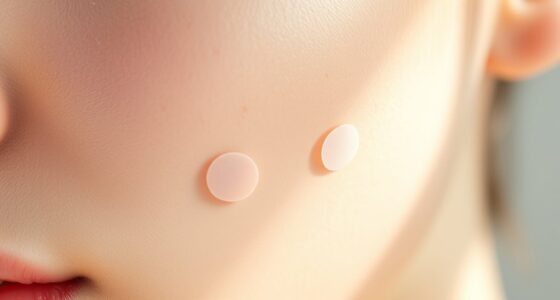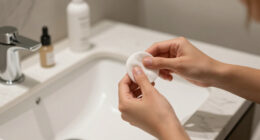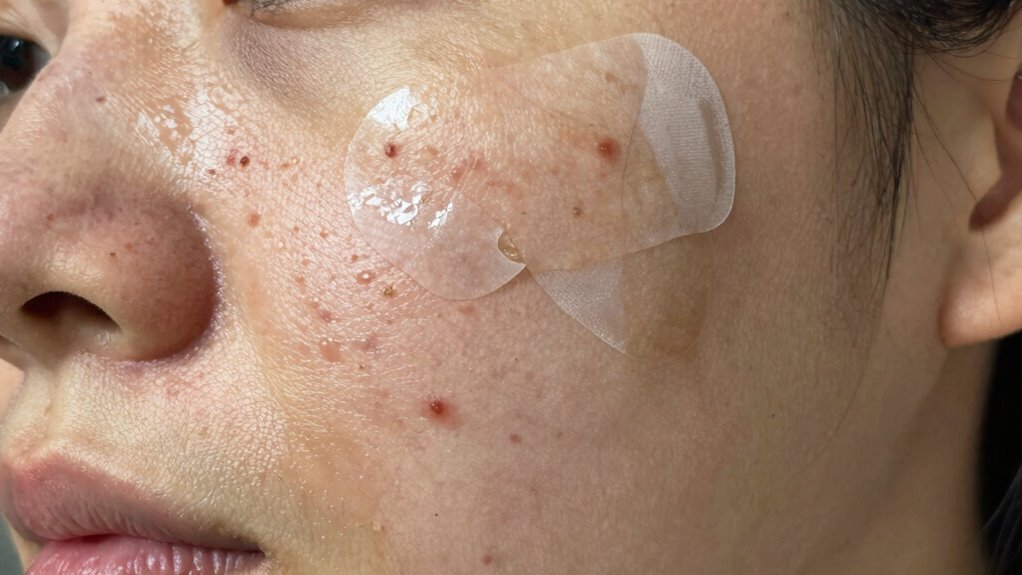

Acne patches tend to fail more on unclean skin because dirt, oil, and bacteria create barriers that prevent the patch from sticking properly and stop active ingredients from penetrating deeply. When your skin isn’t clean, the patch can’t adhere well, and bacteria can thrive underneath, increasing inflammation and redness. This not only reduces the patch’s effectiveness but can also lead to more breakouts. Keep your skin clean to improve your results, and there’s more you need to know to get the best outcome.
Key Takeaways
- Dirt, oil, and bacteria create a barrier, preventing proper patch adhesion and reducing effectiveness.
- Pore blockage from debris hinders active ingredients from reaching deep into the skin.
- Bacterial buildup under the patch can cause inflammation, redness, and worsen blemishes.
- Unclean skin increases the risk of infection and can turn minor blemishes into cystic acne.
- Proper cleansing ensures better patch adherence, ingredient penetration, and overall treatment results.
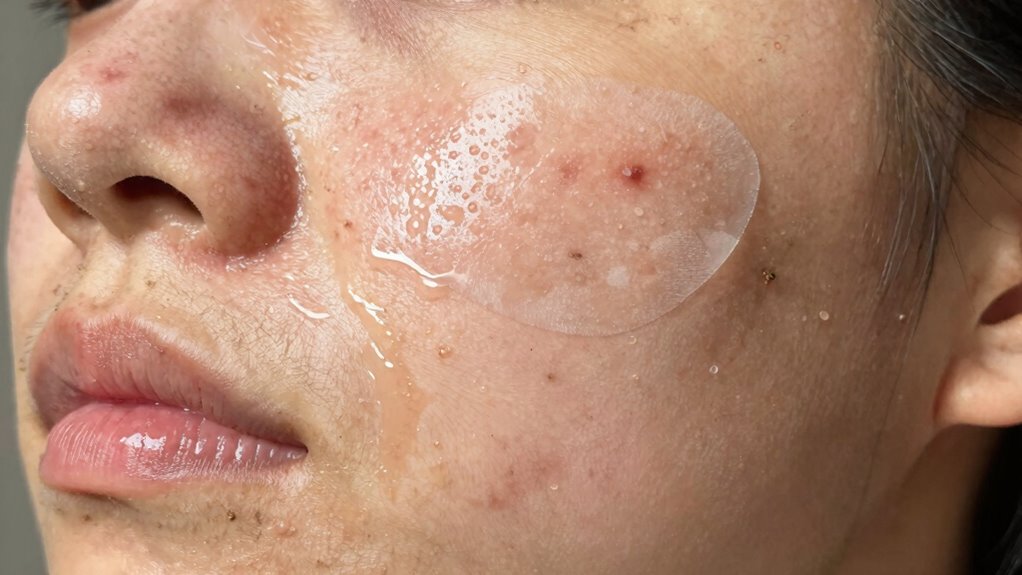
Acne patches are most effective when applied to clean skin because dirt, oil, and bacteria can prevent the patch from adhering properly and working as intended. When your skin isn’t clean, these substances create a barrier that stops the patch from sticking firmly. This means the serum or medication inside the patch can’t penetrate the skin effectively, reducing its ability to target the blemish. If you skip washing your face before applying an acne patch, it’s more likely that the patch will fall off prematurely or not do its job at all.
One of the biggest issues with applying patches on unclean skin is pore blockage. When your pores are clogged with dirt, excess oil, and dead skin cells, the patch struggles to get close enough to the blemish. Instead of directly targeting the pimple, the patch ends up sitting on top of a layer of debris. This prevents the active ingredients from reaching deep into the pore where they’re needed most, making the treatment less effective. Over time, this pore blockage can lead to more inflammation and even worsen the breakout, defeating the purpose of using a patch in the first place.
Pore blockage from dirt and oil can block treatment and worsen breakouts over time.
Bacteria buildup is another critical factor that causes acne patches to fail on unclean skin. When your skin isn’t properly cleansed, bacteria can thrive beneath the patch, trapped in the debris and oil. This bacteria can multiply and exacerbate inflammation, prolonging the healing process. Instead of helping to clear up the pimple, the patch may inadvertently trap bacteria inside, leading to increased redness and swelling. This situation not only diminishes the patch’s effectiveness but can also cause new blemishes to form nearby. Proper skin cleansing practices can help prevent this buildup and improve treatment outcomes. Additionally, neglecting these practices can lead to bacterial growth, which directly impacts the success of acne treatments. Regular cleansing can also help reduce bacteria presence, making the skin less hospitable to harmful microbes. A clean surface is essential for optimal patch adhesion and maximum efficacy.
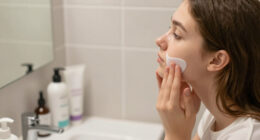
Applying an acne patch on unwashed skin also increases the risk of infection. When bacteria are already present on the surface, sealing them under a patch can create a moist, warm environment perfect for bacterial growth. This can turn a small blemish into a more severe skin issue, like cysts or cystic acne. To avoid these problems, it’s essential to start with a clean face, removing all dirt, oil, and bacteria. Proper skin cleansing can enhance the effectiveness of acne treatment by ensuring all barriers are removed so the active ingredients can work more efficiently.
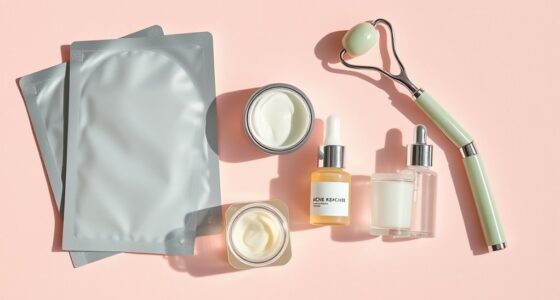
best acne patches for unclean skin
As an affiliate, we earn on qualifying purchases.
As an affiliate, we earn on qualifying purchases.
Frequently Asked Questions
Can Acne Patches Work on Oily Skin?
Yes, acne patches can work on oily skin, but their effectiveness depends on proper application. Oily skin produces excess oil, which can hinder oil absorption from the patch. If your skin isn’t clean, pore clogging can occur, reducing the patch’s effectiveness. Make certain to cleanse your face thoroughly before applying the patch to prevent pore clogging and ensure maximum absorption of excess oil, helping the patch work better.
Do Different Skin Types Affect Patch Effectiveness?
Yes, different skin types can affect how well acne patches work. For example, dry skin with poor hydration and an imbalanced pH may not permit the patch to adhere properly or absorb impurities effectively. Oily skin, on the other hand, might cause patches to slip off or not stick long enough. Maintaining good skin hydration and a balanced pH guarantees better adhesion and maximizes the patch’s effectiveness across all skin types.
How Long Should I Leave an Acne Patch On?
You should leave an acne patch on for about 6 to 8 hours or overnight, depending on the product instructions. Before applying, make certain your skin is clean and dry, as proper skin preparation helps the patch work effectively. When it’s time to remove the patch, do so gently to avoid irritation. Avoid leaving it on too long, which can cause skin irritation or hinder healing rather than promote it.
Are There Specific Ingredients That Improve Patch Adhesion?
Think of acne patches as tiny warriors, sticking fiercely to fight blemishes. To boost their adhesive strength, look for ingredients like hydrocolloids or medical-grade adhesives that improve ingredient compatibility and guarantee better adhesion. These ingredients help the patch cling more effectively, even on slightly oily or sweaty skin. Using patches with such components means they stay put longer, giving your skin a better chance to heal without slipping off prematurely.
Can Makeup Interfere With Acne Patch Performance?
Makeup interference can definitely affect patch adhesion, making it less effective. When you apply makeup over an acne patch, it can create a barrier that prevents the patch from sticking properly or absorbing impurities. To guarantee ideal performance, it’s best to remove makeup completely before applying the patch. This way, you improve patch adhesion and give your acne treatment the best chance to work effectively.
Conclusion
If you want acne patches to work their best, keeping your skin clean is vital. Dirt, oil, and bacteria can block the patch’s ability to absorb impurities and deliver treatment effectively. So, ask yourself, would you wear a clean, fresh shirt or one covered in sweat and stains? Maintaining proper skin hygiene guarantees your acne patches can do their job properly. After all, isn’t clear, healthy skin worth the extra effort?