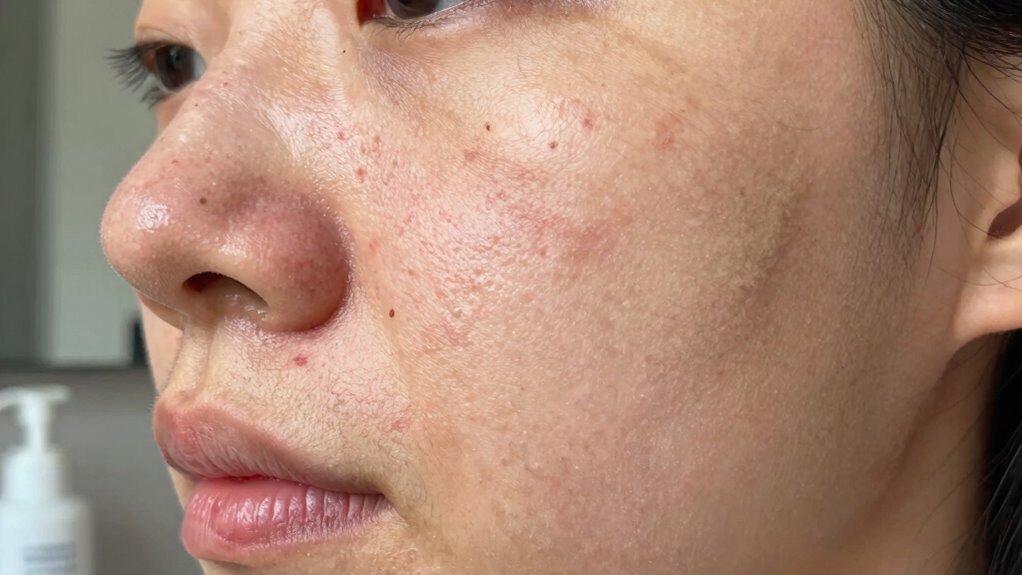

To tell if your breakout is routine-related or random, look at its location, timing, and pattern. Routine breakouts often appear in predictable spots like the T-zone or chin and are linked to your skincare routine, products, or hormonal cycles. Random breakouts happen unexpectedly, in unusual spots, or coincide with changes in stress, weather, or lifestyle. Tracking these signs can help you understand the cause. Keep exploring to learn how to better manage your skin reactions.
Key Takeaways
- Identify if breakouts occur in common areas like the T-zone or chin, indicating routine issues.
- Note if breakouts align with hormonal cycles, diet changes, or stress, suggesting a non-routine cause.
- Observe if breakouts appear suddenly in unusual locations, pointing to random or external factors.
- Track environmental and lifestyle factors, such as weather, sleep, and stress, to find patterns.
- Check for recent product changes or inconsistent routines that may cause predictable breakouts.
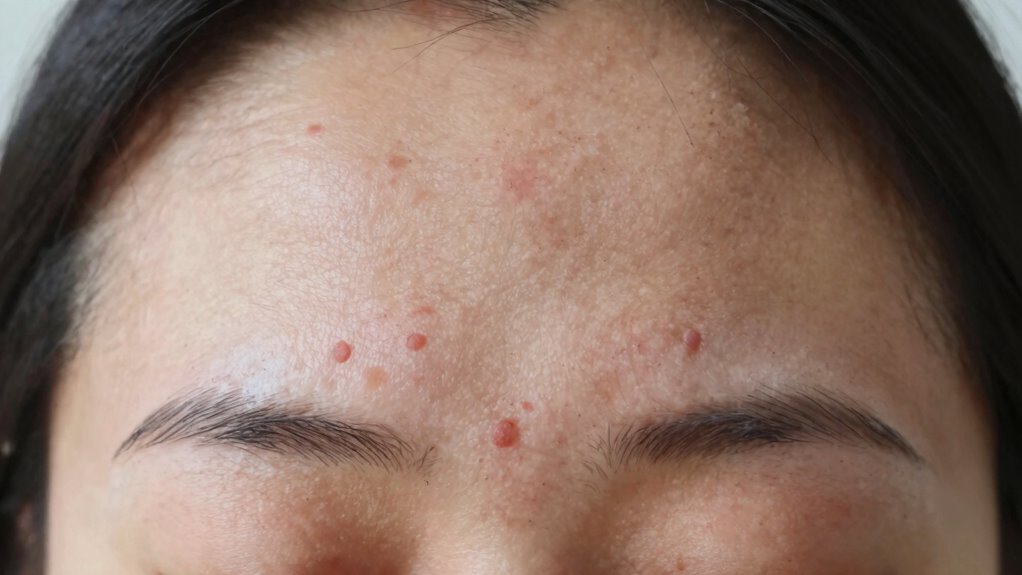
When you notice a breakout on your skin, it can be confusing to determine whether it’s a routine occurrence or something more random. Breakouts happen for many reasons, and understanding what’s causing them can help you manage your skin better. One key factor to consider is seasonal changes. As the weather shifts, your skin reacts differently—colder months often lead to dryness, while warmer seasons can trigger increased oil production. These fluctuations can cause breakouts that aren’t necessarily a sign of a skin problem but rather a normal response to environmental changes. If you notice breakouts coinciding with seasonal transitions, it may be time to tweak your skincare routines accordingly, perhaps adding more hydration in winter or using lighter products in summer to balance your skin’s needs.
Next, look at your skincare routines. Sometimes, changes in products or applying too many at once can clog pores and lead to breakouts. If you recently started using a new moisturizer, cleanser, or makeup, these could be the culprits. Similarly, inconsistent routines—skipping cleansing or over-exfoliating—can upset your skin’s balance, causing irritation and pimples. When you’re trying to distinguish whether a breakout is routine or random, ask yourself if there have been any recent changes in your skincare practices. Returning to a consistent routine and choosing products suited for your skin type can often clear up the issue and prevent future breakouts. Additionally, product ingredients can play a significant role in how your skin reacts, so understanding their effects can help you make better choices.
It’s also important to observe the timing and location of the breakout. Routine-related pimples often appear in predictable areas—like the T-zone, chin, or along the jawline—areas where oil tends to collect. Random breakouts, on the other hand, might pop up in unusual spots or suddenly appear without warning. Pay attention to whether the breakout aligns with your hormone cycles, diet, or stress levels, as these factors can also cause random spots that aren’t linked directly to your skincare routine or seasonal changes.
Finally, consider your overall health and habits. Sleep, diet, and stress levels all influence your skin. If you’ve been sleep-deprived or under a lot of stress, your skin might react with unexpected breakouts. In contrast, routine-related breakouts tend to follow consistent patterns tied to your skincare or environment. By keeping track of these factors, you can better determine whether a breakout is part of your regular skin cycle or a random anomaly. Additionally, understanding the environmental factors that influence skin reactions can help you develop a more comprehensive approach to skin health. Recognizing these patterns can also alert you to potential underlying health issues that might be contributing to your skin concerns.
In the end, understanding your skin’s signals involves paying attention to patterns, environmental factors, and personal habits. Recognizing whether a breakout is routine-related or random helps you take targeted action, whether that’s adjusting your skincare routines or addressing underlying health issues.
As an affiliate, we earn on qualifying purchases.
Frequently Asked Questions
Can Diet Influence the Frequency of Breakouts?
Yes, your diet can influence how often you breakout. Poor diet choices, especially foods high in sugar and dairy, can act as breakout triggers by increasing inflammation and oil production. To reduce breakouts, focus on a balanced diet rich in fruits, vegetables, and water. Avoid processed foods and monitor how specific foods affect your skin. Being mindful of your diet helps control breakout frequency and promotes healthier skin overall.
Do Hormonal Changes Always Cause Breakouts?
Ever wonder if hormonal changes always lead to breakouts? Well, hormonal fluctuations can be a common acne trigger, but they don’t cause every breakout. Your skin reacts to various acne triggers, including stress, diet, and skincare habits. While hormonal shifts can increase oil production, other factors play a role in whether you develop acne. So, it’s not a guarantee, but they’re often a significant piece of the puzzle.
How Long Should a Breakout Last Before Seeking Treatment?
If your breakout lasts longer than two weeks or worsens despite over-the-counter treatments, it’s time to seek professional help. Pay attention to breakout duration and treatment timing; prolonged or persistent pimples indicate underlying issues needing targeted intervention. Don’t wait too long—early treatment can prevent scarring and improve skin health. If you notice no improvement after a couple of weeks, consult a dermatologist to explore stronger or alternative options.
Are There Specific Skincare Ingredients That Prevent Breakouts?
Think of your skin as a battlefield; certain ingredients can be your allies. Look for skincare products with anti-inflammatory compounds like niacinamide and green tea, which soothe and reduce redness. Avoid pore-clogging ingredients like heavy oils or silicones that trap dirt and bacteria. These ingredients help prevent breakouts by calming your skin and keeping pores clear, making your skincare routine a shield against unpredictable eruptions.
Can Stress Levels Affect the Timing of Breakouts?
Yes, stress levels can affect the timing of breakouts. Stress triggers your body’s release of hormones like cortisol, which can increase oil production and clog pores. This hormonal shift often leads to breakouts occurring at unpredictable times, making breakout timing more erratic during stressful periods. By managing stress through relaxation techniques, you may help regulate your skin’s response and reduce the likelihood of sudden, stress-related breakouts.
Conclusion
Next time your skin flares up, picture it as a storm brewing on the horizon—sometimes a predictable summer shower, other times a sudden tempest. By paying close attention to your triggers and patterns, you can navigate these turbulent skies with confidence. Remember, not every lightning strike means danger; some are just passing clouds. With patience and observation, you’ll learn to tell the difference, guiding your skin back to calm amidst the chaos.