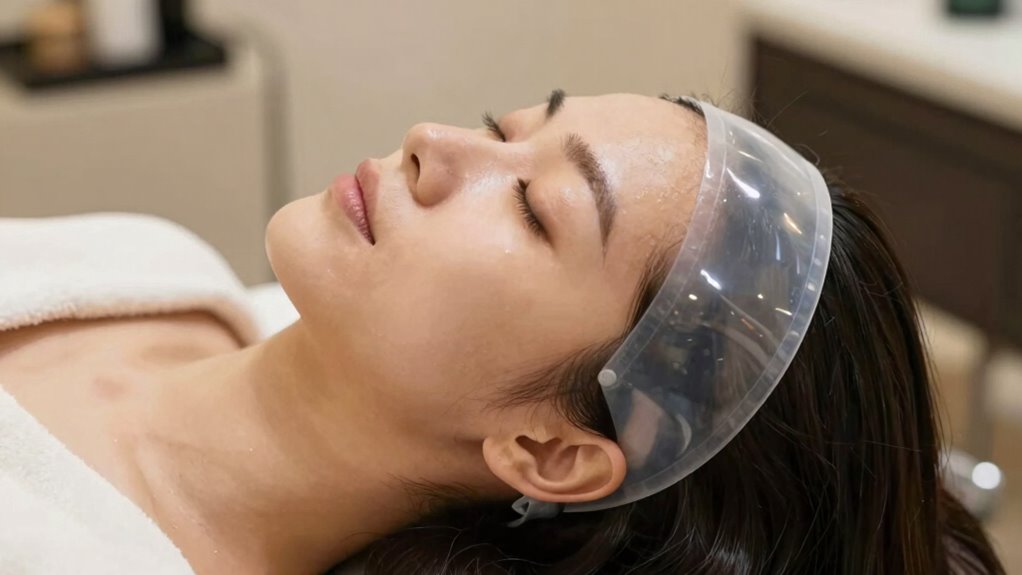

Using a heat cap for deep conditioning isn’t about leaving it on longer; it’s about applying moderate, consistent heat for the right amount of time. Overdoing it can damage your hair’s cuticles and lead to dryness or breakage. Focus on how your hair responds, not just the clock. Proper timing, usually 15-20 minutes, helps nourishing ingredients penetrate without harm. If you keep exploring, you’ll discover how to optimize your hair care routine effectively.

Get beauty and skincare favorites delivered free with Prime
- Fast, free delivery on millions of items
- Prime Video, Amazon Music and more included
- Member-only deals all year
Key Takeaways
- Extended use or higher heat levels do not improve deep conditioning and can damage hair cuticles.
- 15-20 minutes of moderate heat effectively opens cuticles for better ingredient absorption.
- Proper temperature and timing are more important than simply increasing treatment duration.
- Overexposure to heat can strip moisture and cause dryness or breakage.
- Focus on hair’s response and maintain moderation for optimal hydration and health.
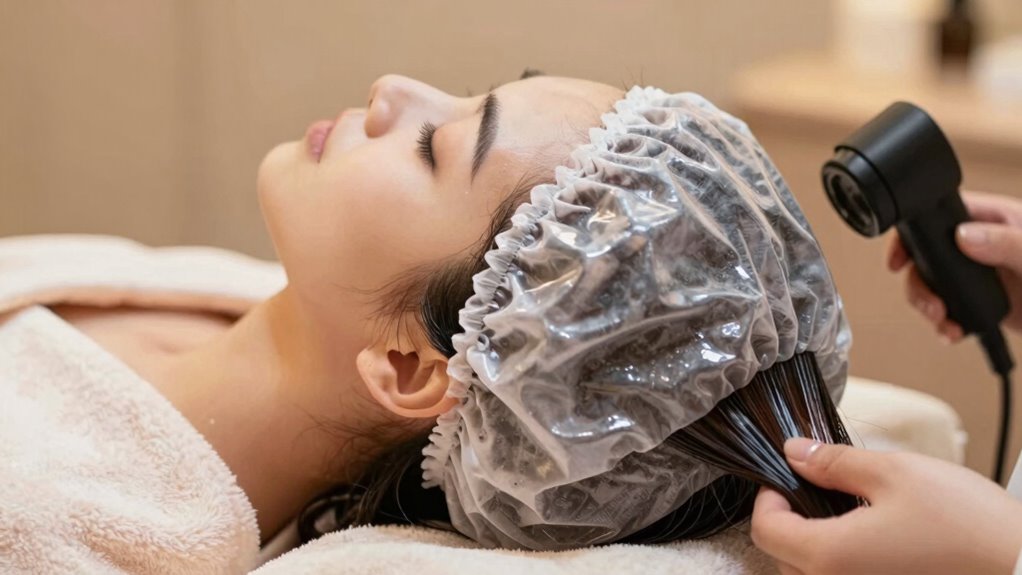
Have you ever wondered why your deep conditioning treatments don’t seem to deliver the results you expect? You might be tempted to think that leaving the conditioner on longer or adding more heat will boost your hair’s health. But that’s not always the case. Using a heat cap for deep conditioning isn’t about longer minutes; it’s about using the right amount of heat to enhance hair protection and moisture retention. Overdoing it can actually do more harm than good. When you apply heat excessively, you risk damaging your hair’s cuticle, leading to dryness and breakage instead of the smooth, hydrated strands you want.
Your goal with a heat cap is to open up the hair cuticles gently, allowing the conditioner to penetrate deeply. This process is about efficiency, not duration. The right temperature and timing help your hair absorb nutrients without stripping away moisture or causing unnecessary stress. Think of it this way: your hair’s moisture retention depends on controlled heat that encourages hydration, not heat that cooks or dehydrates. If you leave the heat on too long or set it too high, you create a barrier to moisture rather than promoting it. The key is moderation and understanding your hair’s needs. Recognizing the importance of hair health can guide you to use heat tools more responsibly and effectively. Additionally, understanding heat application can help you avoid common mistakes that lead to damage.
Using a heat cap correctly means focusing on quality over quantity. Instead of obsessing over adding more minutes, pay attention to how your hair responds. Usually, 15-20 minutes of moderate heat is enough to maximize benefits. During this time, your hair’s cuticles lift gently, allowing nourishing ingredients to reach the cortex. This targeted approach boosts hair protection because it prevents unnecessary damage that can occur with prolonged heat exposure. When your hair’s cuticles are properly opened and closed with the right temperature, moisture stays locked in longer, giving you more lasting hydration. Additionally, understanding biodiversity and the importance of healthy ecosystems can remind us that balance and moderation are essential in all aspects of living, including hair care. Moreover, embracing a balanced approach ensures you’re supporting overall hair health rather than risking overexposure to heat.
As an affiliate, we earn on qualifying purchases.
Frequently Asked Questions
Can Heat Caps Damage My Scalp or Hair?
Heat caps won’t damage your scalp or hair if used correctly, but if you have scalp sensitivity or already experience hair breakage, you should be cautious. Excessive heat can irritate your scalp or weaken strands, leading to damage. Always follow the recommended time and temperature guidelines, and listen to your body. If you notice discomfort or increased breakage, stop use and consult a professional to protect your hair health.
Are Heat Caps Suitable for All Hair Types?
Using a heat cap is like trying on shoes—you need the right fit. It’s suitable for many hair types, but your hair porosity affects heat retention. High-porosity hair may need less time, while low-porosity hair benefits from longer sessions. Always listen to your hair’s response, and adjust the heat cap duration accordingly. When used correctly, it helps deepen conditioning without damaging your scalp or hair.
How Often Should I Use a Heat Cap?
You should use a heat cap 1 to 2 times a week to boost hair hydration and maintain scalp health. Overusing it can cause dryness or irritation, so listen to your hair’s needs. Applying it for about 20-30 minutes allows the heat to penetrate without damage. Consistent, moderate use helps improve moisture levels and keeps your scalp healthy without risking over-conditioning or excess heat buildup.
Do Heat Caps Cause Hair Color Fading?
Like a knight guarding a castle, you want to protect your hair’s color. Heat caps can cause some fading, especially if you use them excessively or at high heat. They may accelerate the loss of hair pigment and affect color retention over time. To keep your color vibrant, use heat caps carefully, avoid excessive heat, and stick to recommended durations. Proper use helps maintain your hair’s beautiful hue longer.
Can I Use a Heat Cap Without Heat?
You can use a heat cap without heat for DIY treatments, but it won’t provide the same benefits as one with heat. The warmth helps open hair cuticles, allowing deep conditioners and treatments to penetrate better. If you prefer an alternative method, try wrapping your hair with a warm towel or using steam. These methods can boost absorption without needing an actual heat cap, making your deep conditioning more effective.
Conclusion
Remember, more time under the heat cap isn’t always the answer to healthier hair. Instead, focus on consistent, quality deep conditioning sessions tailored to your hair’s needs. Sometimes, less is more, and patience pays off in the long run. By understanding your hair and using heat caps wisely, you’ll gain access to better results without overdoing it. Don’t rush the process—your hair will thank you when you give it the care it truly craves.
Evergreen bestsellers Picks
bestsellers
As an affiliate, we earn on qualifying purchases.