To spot scalp buildup early, watch for signs like increased oiliness and a heavy or greasy feel even after washing. You might notice your scalp looks dull, feels itchier, or is more sensitive than usual. Often, these changes happen before visible flakes appear. If you notice your scalp feels persistently oily or tight, it’s a sign buildup is forming. Keep paying attention, as understanding these early indicators can help you manage scalp health effectively.

Get beauty and skincare favorites delivered free — and shop member deals
- Fast, free delivery on millions of items
- Access to Prime Big Deal Days deals on October 6–7
- Prime Video, Amazon Music and more included
Key Takeaways
- Notice if your scalp appears greasy, dull, or feels heaviness and increased itchiness.
- Check for persistent oiliness or a greasy sheen even after washing.
- Observe if your hair volume reduces or if your scalp feels tight or uncomfortable.
- Look for early signs like scalp redness, irritation, or the presence of flakes before they worsen.
- Perform regular scalp examinations to detect buildup buildup signs early and prevent flaking.
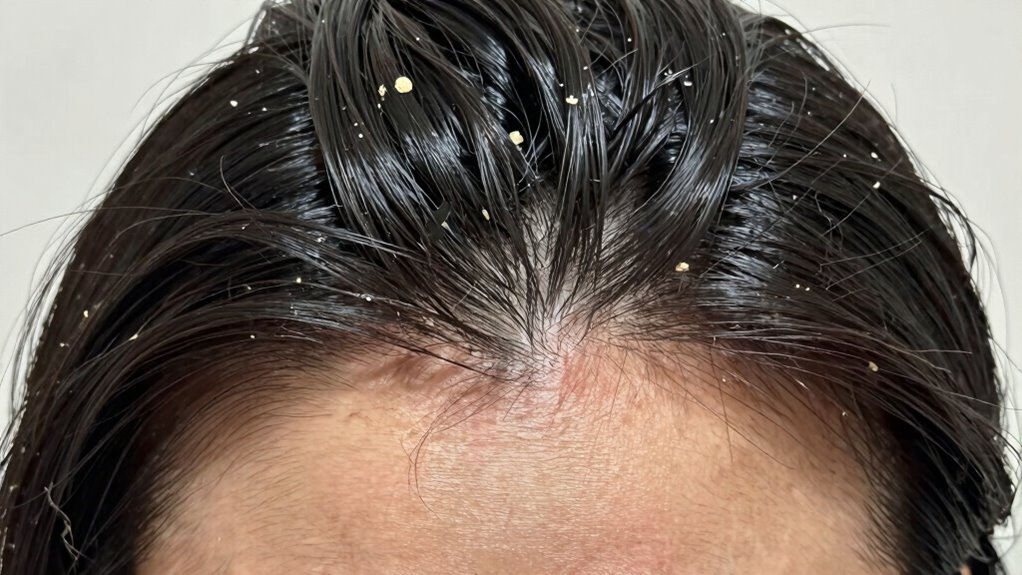
Ever wonder how to tell if your scalp is accumulating buildup? It’s a common concern, and catching it early can save you from more serious issues like flaking and irritation. Buildup occurs when excess oil, dead skin cells, and styling products clog your hair follicles and block your scalp’s natural processes. One key indicator is changes in your scalp’s appearance and feel. If your scalp starts to look greasy or dull, it might be a sign that your sebaceous gland activity has ramped up beyond what’s healthy. When sebaceous glands produce too much oil, it can mix with dead skin cells, forming a sticky layer that clogs hair follicles. This buildup can interfere with hair follicle health, making your scalp less able to breathe and regenerate skin cells properly.
Noticing a greasy or dull scalp? Excess oil and buildup can clog follicles and affect your hair health.
You may notice your scalp feels heavy or itchier than usual, especially a few days after washing. An increase in oiliness often leads to a slick or greasy sensation across your scalp, even if you just washed your hair. This excess oil can trap dirt and pollutants, further contributing to buildup. When your hair follicles become clogged, you might also see a reduction in hair volume or a feeling of scalp tightness. These signs point to your sebaceous glands being overly active, which can disturb the balance needed for healthy hair growth. Recognizing the importance of maintaining a balanced scalp environment is crucial for preventing these issues from worsening. Regular scalp examinations can help you identify these early signs before they develop into more significant problems. Being aware of the role of sebum in scalp health can help you better manage excess oil production and prevent buildup. Proper scalp hygiene and understanding how oil production affects your scalp can significantly improve your hair health.
Regularly examining your scalp during washing or styling helps you notice these early signs. If you see a shiny, greasy sheen, feel a persistent itch, or notice unusual flakes, it’s time to adjust your hair care routine. Using clarifying shampoos or scalp treatments can help reduce excess oil and clear out clogged follicles. Maintaining a balanced scalp environment promotes healthy hair follicle activity and prevents buildup from escalating into flaking or other scalp conditions. Being proactive about scalp care and understanding how excess oil impacts your scalp can make a significant difference in preventing issues before they become severe. Catching these signs early is the best way to keep your scalp healthy and your hair looking its best.
clarifying scalp shampoo for buildup
As an affiliate, we earn on qualifying purchases.
As an affiliate, we earn on qualifying purchases.
Frequently Asked Questions
Can Scalp Buildup Cause Hair Thinning?
Yes, scalp buildup can cause hair thinning. When you neglect proper scalp hygiene, oils, dead skin, and product residues accumulate, clogging hair follicles. This buildup may lead to inflammation and weaken hair roots, resulting in thinning or hair loss. To prevent this, focus on dandruff prevention by regularly washing your scalp, using suitable shampoos, and maintaining good scalp health, which supports healthy hair growth and reduces the risk of thinning.
How Often Should I Wash My Scalp to Prevent Buildup?
You should wash your scalp regularly, ideally 2-3 times a week, to prevent buildup. Many believe daily washing strips natural oils, but it’s not necessary unless you have very oily hair. Incorporate scalp exfoliation once a week to remove excess hair oil and dead skin cells. This combination keeps your scalp clean, reduces buildup, and promotes healthy hair growth without overdoing it.
Are Certain Hair Products More Likely to Cause Buildup?
Yes, certain hair product types are more likely to cause buildup. Heavy products like waxes, pomades, and thick styling creams tend to leave behind more product residue on your scalp, especially if not washed out regularly. Gel and mousse can also contribute if overused. To prevent buildup, opt for lightweight formulas and make sure you wash your scalp thoroughly to remove excess product, keeping your scalp healthy and free of flakes.
Does Scalp Buildup Affect Scalp pH Balance?
Yes, scalp buildup can affect your scalp’s pH balance, making it more acidic or alkaline, which can cause irritation. When you do hair oiling or don’t regularly perform a scalp detox, excess oils and product residues accumulate, disrupting the natural pH. This imbalance creates an environment prone to buildup, dryness, or dandruff. Regularly clarifying your scalp helps restore pH balance, keeping your scalp healthy and less prone to issues.
Can Diet Influence Scalp Buildup and Flaking?
Your diet impact can subtly influence your scalp health. Poor nutritional deficiencies, like lacking essential vitamins and minerals, may lead to increased scalp buildup and flaking. When your body doesn’t get enough nutrients, it struggles to maintain a healthy scalp, resulting in excess oil and dead skin accumulation. Eating a balanced diet rich in fruits, vegetables, and healthy fats helps support scalp clarity, reducing the risk of buildup and flakiness.
Conclusion
So, next time your scalp feels like a crusty bread basket, don’t ignore it. Think of buildup as that overly enthusiastic guest who overstays their welcome—annoying and hard to miss. Catch it early, and you’ll dodge the flaking fiasco. Keep your scalp happy, not crusty, and remember: a little vigilance saves you from the flaky fortress. Stay alert, stay fresh, and let your scalp shine—without the crusty guest crashing the party.
Fall Picks
fall essentials
As an affiliate, we earn on qualifying purchases.