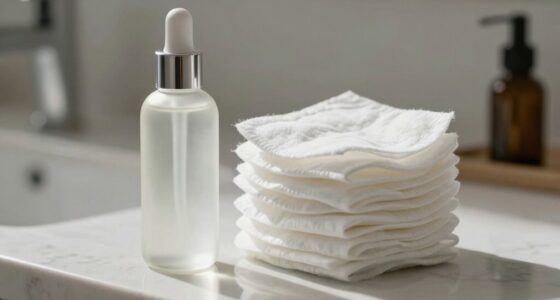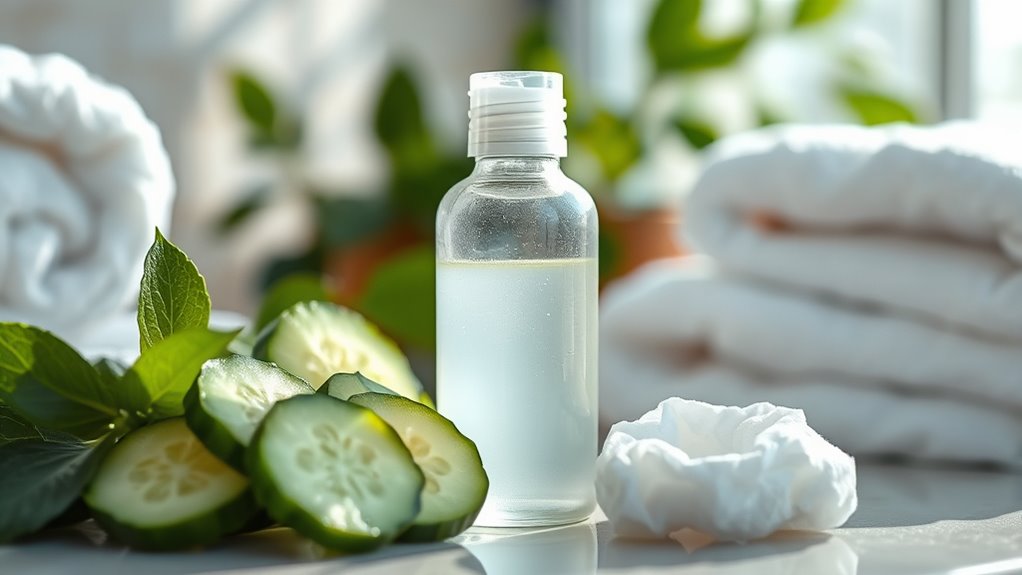

How often you should use toner depends on your skin type and product ingredients. If you have oily or acne-prone skin, you can generally use toner daily, sometimes twice a day, especially if it’s formulated for oil control. Sensitive or dry skin may benefit from more infrequent use, like once every other day or weekly, especially when using exfoliating toners. Incorporating both daily and weekly treatments can be beneficial; find out how to tailor your routine for the best results.
Open a free Amazon Business account
Business pricing, bulk buying and tax-exempt orders.
As an affiliate, we earn on qualifying purchases.
Key Takeaways
- Use toner daily for oily or acne-prone skin, typically once or twice a day based on tolerance.
- Sensitive or dry skin should generally use toner once every other day or daily with gentle formulations.
- Incorporate exfoliating toners with acids once or twice weekly to prevent over-exfoliation and irritation.
- Always adjust frequency based on your skin’s response—reduce use if irritation or dryness occurs.
- Follow product instructions and consider ingredients to determine the optimal routine for your skin type.

Toner can be a valuable addition to your skincare routine, but knowing how often to use it depends on your skin type and the product’s formulation. Different skin types react differently to toners, and the ingredients in the product play a vital role in determining the ideal usage. For example, if your toner contains exfoliating acids like salicylic or glycolic acid, you’ll need to be more cautious to avoid over-exfoliation or irritation. Conversely, if it’s alcohol-free and formulated with soothing ingredients like witch hazel or chamomile, you might be able to use it more frequently without concern. Understanding your skin’s needs and the product ingredients helps you tailor your routine effectively.
Toner use varies by skin type and ingredients; adjust frequency based on your skin’s needs and product formulation.
For those with oily or acne-prone skin, using toner daily can be beneficial, especially if it contains ingredients that help control excess oil and prevent breakouts. In this case, a toner with salicylic acid can help keep pores clear, but you should start with once a day to see how your skin responds. If your skin tolerates it well, you might increase to twice daily—morning and night. Just be cautious not to overdo it, as excessive use of astringent toners can strip your skin and cause more oil production or irritation. Those with sensitive or dry skin should be more conservative. Applying toner once a day or even every other day can help maintain hydration and soothe irritation, especially if your toner has calming ingredients like aloe or glycerin. Additionally, skin sensitivity can influence how often you should incorporate toner into your routine.
Weekly use might be suitable for toners containing stronger exfoliants or acids. Incorporating these into your routine once or twice a week allows you to benefit from exfoliation without risking over-sensitivity or damage. If you notice redness, tightness, or peeling, cut back on frequency and switch to gentler formulations. Always pay attention to your skin’s response and adjust accordingly. It’s important to read the product instructions and understand the key ingredients—knowing whether a toner is meant for daily use or for occasional exfoliation helps prevent misuse.
Ultimately, you should listen to your skin. If it feels tight, irritated, or red, reduce toner use or opt for formulations designed for sensitive skin. On the other hand, if your skin feels balanced and comfortable, you may maintain or even increase usage as appropriate. Regularly evaluating how your skin reacts to different products and their ingredients ensures your skincare routines stay effective and safe. By understanding your skin’s unique needs and the formulations of your toner, you can determine whether daily, weekly, or both applications work best for you.
Frequently Asked Questions
Can Toner Replace Moisturizer in My Skincare Routine?
Toner shouldn’t replace moisturizer in your skincare routine. While toner helps with cleansing and balancing your skin, it doesn’t provide the hydration or barrier protection that moisturizer offers. Using toner as a moisturizer replacement can lead to dryness and irritation. For skincare simplification, incorporate a lightweight moisturizer after toner to keep your skin hydrated and healthy. Stick to both products for a well-rounded routine that caters to all your skin needs.
Is It Safe to Use Toner With Active Acne Treatments?
An ounce of prevention is worth a pound of cure, so you should be cautious. Using toner with active acne treatments can cause skin irritation and trigger acne flare-ups if you’re not careful. It’s safest to consult your dermatologist first, but generally, avoid combining strong treatments and toner unless specifically recommended. This way, you protect your skin from unnecessary irritation and keep acne flare-ups at bay.
How Does Toner Affect Sensitive or Eczema-Prone Skin?
Toner can soothe sensitive or eczema-prone skin when you choose gentle, eczema-friendly products designed for sensitive skin care. It helps restore pH balance and remove leftover impurities without causing irritation. Always opt for alcohol-free toners with calming ingredients like chamomile or aloe vera. Test new products on a small skin patch first. Using the right toner regularly can improve your skin’s comfort and reduce flare-ups, keeping your skin healthy and balanced.
Should I Use Toner After Cleansing or Before Moisturizer?
Imagine your skincare routine as a perfectly built house; toner is the essential first layer that sets everything else. You should use toner after cleansing and before moisturizer, like laying a solid foundation. This step helps balance your skin’s pH and prepares it for subsequent layers. Proper skincare layering ensures maximum absorption, making your moisturizer work better, so stick to this order for glowing, healthy skin.
Can Using Toner Too Often Cause Skin Dryness or Irritation?
Using toner too often can cause skin dehydration and product irritation, especially if your skin is sensitive. Overusing it strips away natural oils, leading to dryness and discomfort. To avoid these issues, monitor how your skin reacts and adjust your routine accordingly. Stick to recommended usage, typically once or twice daily, and choose a gentle, hydrating toner to help maintain your skin’s moisture and prevent irritation.
Conclusion
Incorporating toner into your routine should be consistent, not overwhelming. Whether you choose to use it daily to maintain freshness or weekly for a deeper cleanse, the key is balance. Listen to your skin’s needs, adjust your frequency accordingly, and stay tuned to how your skin responds. Regular use, mindful use, and gentle use—these principles will help you achieve healthier, clearer skin and make toner a valuable part of your skincare routine.
NFL season / tailgating Picks
team gear
As an affiliate, we earn on qualifying purchases.