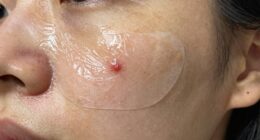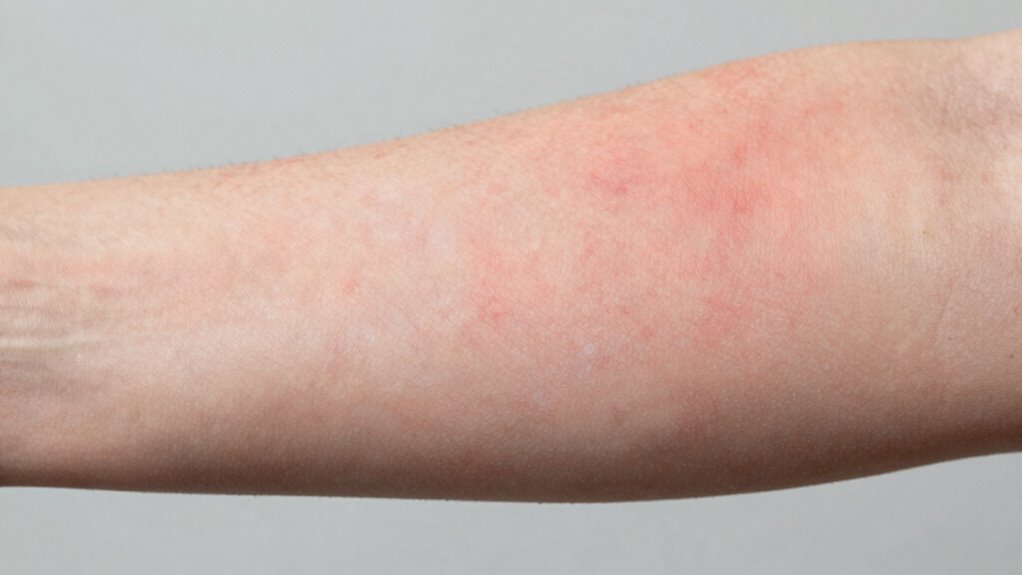

You can burn without first looking red because UV damage affects deeper skin layers and nerve endings, causing sensations like prickling or tingling instead of visible redness. This initial burn results from cellular and DNA damage beneath the surface, which isn’t immediately apparent. Often, you underestimate the injury when there’s no redness. If you keep exploring, you’ll discover how these subtle signs can indicate underlying harm and why early protection matters.

Get beauty and skincare favorites delivered free — and shop member deals
- Fast, free delivery on millions of items
- Access to Prime Big Deal Days deals on October 6–7
- Prime Video, Amazon Music and more included
Key Takeaways
- UV damage begins beneath the skin, causing cellular harm before visible redness appears.
- Sensations like prickling or tingling can indicate early burn, even without redness.
- Redness is a later visual sign; initial burns may not show outwardly.
- Skin’s immune response to UV damage takes time to produce visible inflammation.
- Early damage affects cells and DNA, often unnoticed without immediate redness.
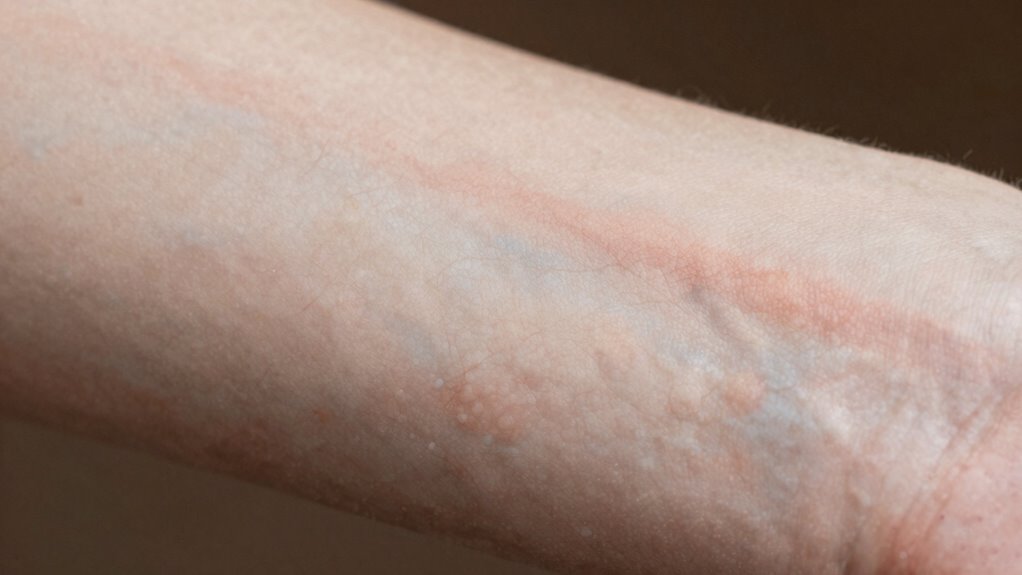
Sometimes, your skin can start to burn without immediately turning red, which can be confusing and alarming. You might feel a prickling or tingling sensation instead of the classic redness associated with sunburn. This initial burn is often due to UV damage that hasn’t yet manifested visually, making it easy to underestimate how much your skin is suffering. That’s why practicing good sun protection is *imperative*, even if your skin looks fine at first. The damage begins beneath the surface, affecting your skin’s cells and DNA, which can lead to longer-term issues like premature aging and increased skin cancer risk.
Your skin’s elasticity plays a big role here. When exposed to UV rays, the collagen and elastin fibers that give your skin its firmness and flexibility can break down, even if you don’t see redness. As these fibers weaken, your skin may become less resilient over time, losing its youthful bounce and tone. This subtle damage often happens before visible signs like redness or peeling appear. That’s why it’s *crucial* to understand that a lack of redness doesn’t mean your skin isn’t injured. The initial burn can be a sign that your skin is in distress, and ignoring it can lead to more severe damage down the line. Protecting your skin from UV rays, especially during peak hours, helps preserve your skin’s elasticity and prevents early signs of aging. Recognizing subtle skin damage is key to preventing more serious, long-term harm.
In essence, a burning sensation without redness is a warning sign that your skin is being harmed at a cellular level. It’s a reminder to prioritize sun protection and support your skin’s elasticity through nourishing skincare routines. Because the damage might not be visible now, but it can manifest later as wrinkles, sagging, or uneven skin tone. Additionally, UV-induced cellular damage can accumulate over time, increasing the risk of developing skin conditions. Being aware of the early signs of damage can also motivate you to adopt better sun habits, which are essential for long-term skin health. Protecting your skin from UV rays is also supported by understanding the importance of skin resilience, which can be maintained with proper skincare and sun safety measures. Taking precautions today ensures your skin stays healthy, resilient, and youthful-looking for years to come.
SPF broad spectrum sunscreen for UV protection
As an affiliate, we earn on qualifying purchases.
As an affiliate, we earn on qualifying purchases.
Frequently Asked Questions
Can Skin Burn Without Immediate Pain?
Yes, your skin can burn without immediate pain. This often happens if you have high skin sensitivity or are exposed to UV rays without proper sun protection. You might not notice pain right away, but damage is still occurring. To prevent this, always wear sunscreen, seek shade, and avoid prolonged sun exposure. Being vigilant about sun protection helps prevent hidden burns and long-term skin damage.
How Long Does It Take for Redness to Appear?
Redness from sunburn typically appears within a few hours, usually around 4 to 6 hours after sun exposure. To protect your skin, apply sun protection like broad-spectrum sunscreen and seek shade. Proper skin repair begins right after burning, so staying hydrated and moisturizing helps. If redness doesn’t develop or worsens, consider consulting a healthcare professional to prevent further skin damage.
Are Some Skin Types More Prone to Hidden Burns?
Think of your skin as a canvas, where some hues hide beneath the surface. Yes, your skin type influences burn concealment; sensitive skin is more prone to hidden burns. Skin sensitivity amplifies the risk because it reacts more intensely, often without visible redness. So, if you have delicate skin, you’re more likely to experience burns that stay concealed initially, making it essential to protect yourself even when it looks fine.
Can Internal Burns Occur Without External Signs?
Yes, internal burns can occur without external signs. Thermal injury from heat or chemicals may damage deep tissue, but skin might not show redness initially. You might experience pain or swelling without visible burns, which signals that internal tissue is affected. This hidden damage can be serious, so if you suspect an internal burn, seek medical attention promptly to prevent further injury or complications.
What First Aid Steps Are Best for Hidden Burns?
For hidden burns, prioritize evaluating burn severity first. Even if no visible redness appears, you should still seek immediate first aid by cooling the area with running water for at least 10 minutes, avoiding ice. Cover the burn with a sterile, non-stick bandage, and keep the person comfortable and monitored. Always seek medical help, especially for internal or deep burns, to guarantee proper care and prevent complications.
Conclusion
So, next time you feel that burning sensation without redness, remember your skin might be silently damaged. Isn’t it alarming how your skin can burn without showing any obvious signs? Don’t ignore that initial discomfort—your skin might be warning you of deeper harm. Stay vigilant, protect your skin, and seek help if needed. After all, isn’t it better to prevent than to treat irreversible damage later? Your skin’s health depends on your awareness.
Halloween Picks
halloween
As an affiliate, we earn on qualifying purchases.