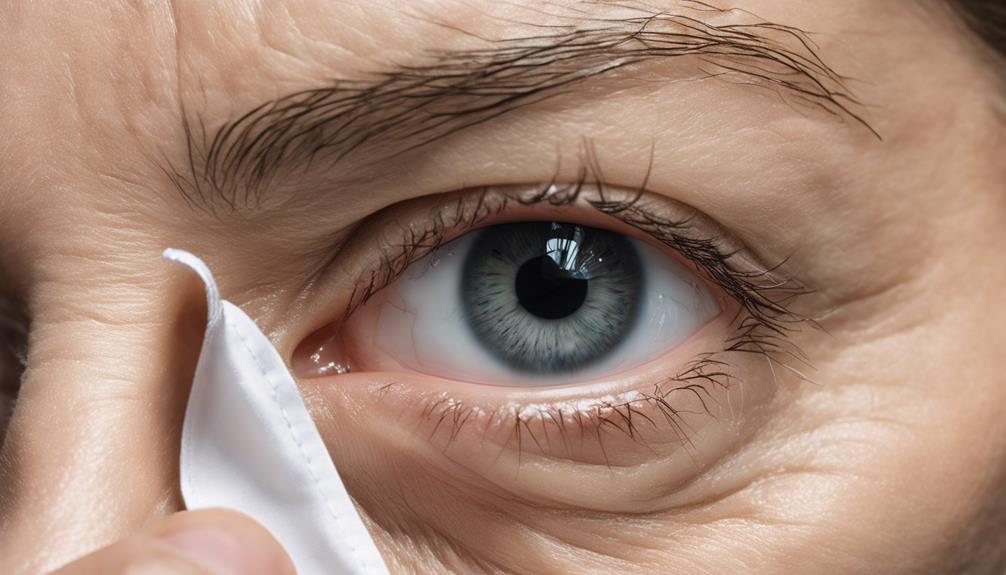
Wearing patches during workouts isn’t recommended because exercise increases blood flow, sweat, and movement, which can cause patches to loosen, detach, or release medication unevenly. This unpredictable absorption can affect your treatment and even cause skin irritation or overdosing risks. Plus, sweat can weaken the adhesive, making patches fall off or irritate your skin. If you want to stay safe and effective, it’s best to remove patches before exercising—you’ll discover more about how to manage your medication during activity.

Get beauty and skincare favorites delivered free with Prime
- Fast, free delivery on millions of items
- Prime Video, Amazon Music and more included
- Member-only deals all year
Key Takeaways
- Exercise increases blood flow and sweat, which can cause patches to release medication unevenly or more rapidly.
- Sweating weakens adhesive, risking patch detachment and reduced medication delivery during workouts.
- Heat and movement alter skin permeability, potentially leading to overdose or unpredictable medication absorption.
- Loose patches from sweating or friction can irritate skin or pose choking hazards if dislodged.
- Removing patches before intense activity helps maintain proper medication control and prevents absorption issues.
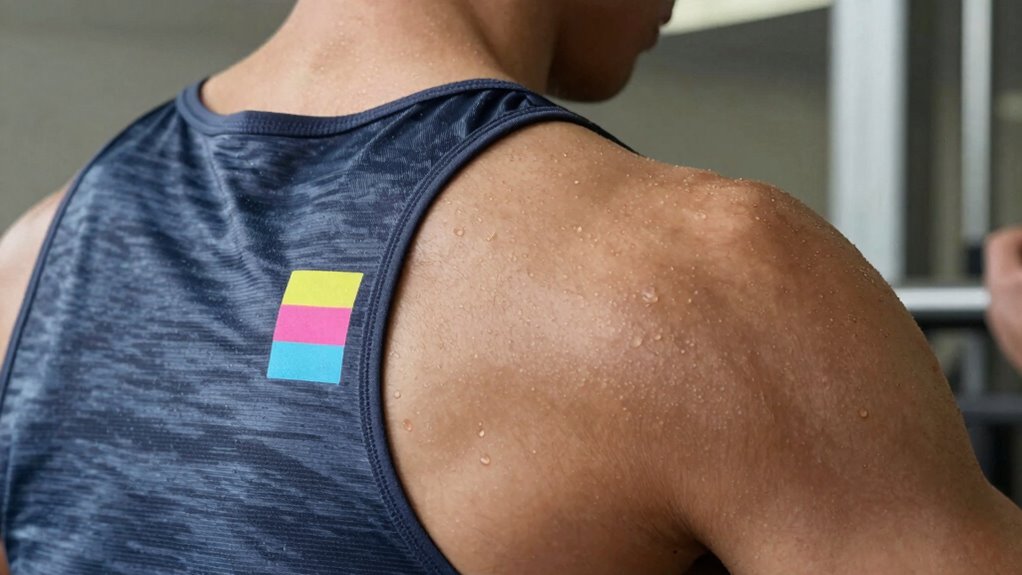
Have you ever wondered if it’s safe to wear patches during your workouts? Many people assume that patches, like nicotine or pain relief patches, are designed to stay put no matter what activity you’re doing. But the truth is, wearing patches during exercise isn’t always a good idea. The main concerns involve medication interactions and patch durability. When you work out, your body heats up, sweats more, and moves vigorously—all of which can impact how well a patch stays in place and how it releases medication.
Medication interactions are a key reason to be cautious. Some patches contain drugs that are absorbed through your skin slowly over time, and physical activity can alter this process. Increased blood flow and sweat may cause the patch to release medication more quickly or unevenly, which can lead to unintended side effects or reduced effectiveness. For example, if you’re using a pain relief patch or a hormone patch, working out could cause fluctuations in how much medication enters your system, making it harder to predict your response. This unpredictability can be risky, especially if you rely on these patches for chronic conditions.
Exercise can cause unpredictable medication absorption from patches, increasing risks of side effects or reduced effectiveness.
Another factor to take into account is patch durability. During exercise, sweat can weaken the adhesive that keeps the patch attached to your skin. If the patch starts to peel or fall off, you lose the controlled delivery of medication, rendering it less effective. Plus, a loose patch can cause irritation or even pose a choking hazard if it comes off and gets into your mouth or eyes. The increased friction and movement during workouts also stress the adhesive, meaning your patch may not stay firmly in place for the duration you need it to. Additionally, sweat resistance varies between patches, which further complicates their use during physical activity. It’s also important to consider that some patches are specifically designed for long-term use, which may not be suitable for dynamic activities like exercise. Wearing a patch not designed for exercise could lead to skin irritation, especially with prolonged sweating and movement. Moreover, the adhesive strength of patches can diminish over time with exposure to moisture, increasing the risk of detachment during activity.
Furthermore, heat generated during exercise can increase skin permeability, which might amplify the absorption rate of the medication. While that might sound beneficial, it can actually lead to overdose or heightened side effects if the medication enters your bloodstream too quickly. The combination of heat, sweat, and movement makes it even more challenging to control how your body receives the medication, so many health professionals advise removing patches before intense physical activity. Additionally, understanding the pharmacokinetics of your medication can help determine how exercise might affect its absorption and effectiveness.
In short, wearing patches during workouts can compromise both medication interactions and patch durability. The risks of uneven drug absorption, patch detachment, and skin irritation often outweigh any perceived convenience. If you’re on medication that comes in patch form, it’s best to keep in mind the safest way to manage your medication around exercise. Removing the patch beforehand and reapplying afterward ensures you maintain control over how and when you receive your medication, keeping you safe and effective in your fitness routine.
water-resistant pain relief patches
As an affiliate, we earn on qualifying purchases.
As an affiliate, we earn on qualifying purchases.
Frequently Asked Questions
Are There Specific Patches Designed for Exercise?
There are no patches specifically designed for exercise, as most are intended for steady medication absorption. Wearing a regular patch during a workout can affect its durability, causing it to peel or lose effectiveness due to sweat and movement. If you need medication during exercise, consult your doctor for alternatives like sports-friendly patches or different delivery methods that maintain consistent absorption without compromising durability.
How Long Can I Wear a Patch During a Workout?
You should generally avoid wearing patches during workouts, especially for extended periods. Patches can cause excessive skin absorption and compromise medication safety, leading to unpredictable effects. Exercise increases sweating and movement, which can dislodge patches or cause skin irritation. To stay safe, remove patches before intense activity, and consult your healthcare provider for personalized advice. Protect your skin and medication efficacy by practicing proper patch placement and timing.
Do Patches Affect Athletic Performance or Endurance?
Patches can affect your athletic performance or endurance through drug interactions, potentially either boosting or impairing your abilities. Some patches deliver substances that might enhance performance temporarily, but they can also cause side effects or interfere with medications you’re taking. It’s essential to know what’s in your patch and consult a healthcare professional, as using certain patches for performance enhancement could be risky or illegal.
Can Patches Cause Skin Irritation When Sweating?
Yes, patches can cause skin irritation when sweating, especially if you have skin sensitivity or are prone to allergic reactions. Sweat can trap moisture under the patch, increasing the risk of redness, itching, or rash. To minimize irritation, make sure to clean and dry your skin thoroughly before applying, and remove the patch promptly after your workout. If irritation persists, consult a healthcare professional.
Are There Legal or Sports Regulations About Patch Use?
Yes, there are legal and sports regulations about patch use. You must guarantee regulatory compliance, especially in competitive sports, where certain patches might be banned or require medical exemptions. Always check with your sport’s governing body and your healthcare provider before using patches during workouts. Violating these rules can lead to disqualification, sanctions, or health risks, so staying informed and compliant is essential for safe participation.
Conclusion
So, next time you’re tempted to wear that patch during your workout, remember—it’s not just about sticking to your skin, but about sticking to safety. Like a trusted partner, patches can support your goals, but only if you use them wisely. Imagine your workout as a race: without the right gear, you might stumble. Keep safety in mind, and let your fitness journey be a smooth, successful stride—patch-free or not.
Halloween Picks
halloween
As an affiliate, we earn on qualifying purchases.