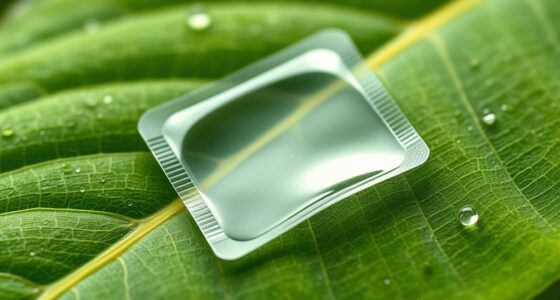
To avoid red, angry outlines when using patches on sensitive skin, start by choosing hypoallergenic, breathable patches free from fragrances and harsh adhesives. Before application, clean and dry your skin thoroughly, perform a patch test on a small area, and avoid applying on broken or irritated skin. Gently press the patch without stretching, and after removal, soothe the area with cool water and cold compresses. Keep these tips in mind, and you’ll better protect your skin from reactions.
Key Takeaways
- Perform a patch test on small skin areas before full application to detect sensitivities early.
- Use hypoallergenic, fragrance-free patches designed for sensitive skin to minimize irritation.
- Ensure skin is thoroughly clean and dry before applying patches to avoid trapping irritants.
- Apply patches on areas with minimal movement and avoid broken or inflamed skin.
- Gently cleanse the area after removal and use cold compresses or soothing creams to reduce redness and inflammation.
Why Does My Skin Turn Red or Irritated After Using a Patch?
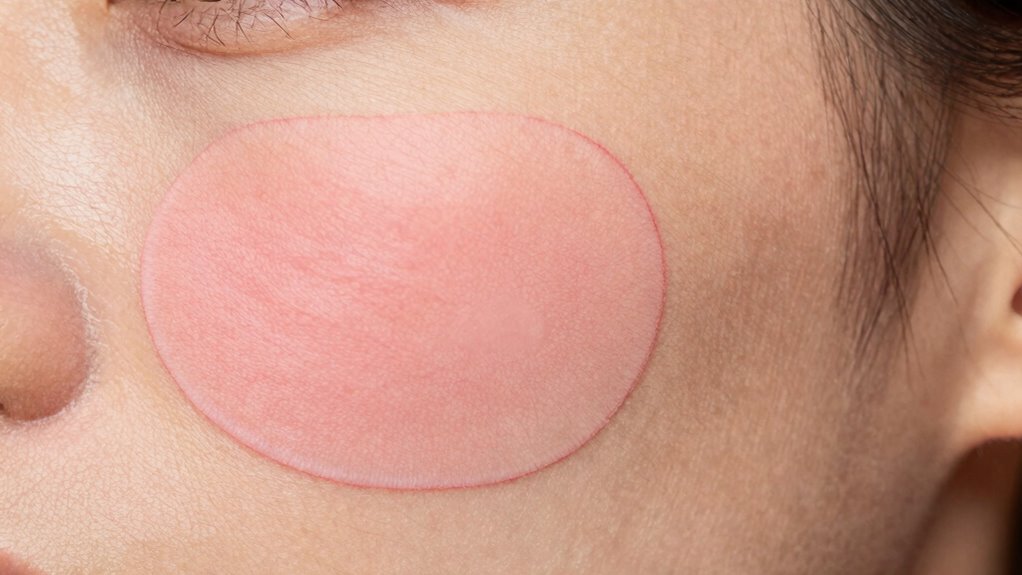
If your skin turns red or feels irritated after using a patch, it’s often because your skin is reacting to one or more ingredients in the patch. Allergic reactions can occur when your immune system overreacts to substances like adhesives or medication components. Additionally, a compromised skin barrier makes your skin more vulnerable, allowing irritants to penetrate easily and trigger inflammation. Sensitive skin tends to have a weaker barrier, which heightens the chance of redness and irritation. When this barrier is disrupted, even harmless ingredients can cause discomfort. Recognizing these signs early helps you understand that your skin may be more reactive, and it’s essential to identify what’s causing the irritation to prevent further damage and discomfort. Using a patch on sensitive skin also increases the risk of adverse reactions, emphasizing the importance of proper skin assessment and care. Moreover, understanding the role of auditory processing can help in managing overall skin sensitivities by reducing stress-related reactions that may impact skin health. Being aware of natural barriers and how they protect your skin can further aid in preventing irritation and maintaining skin health. Additionally, strengthening your skin’s barrier function through gentle care can help reduce the likelihood of irritation from patches or other products.
How to Choose Patches That Minimize Skin Reactions
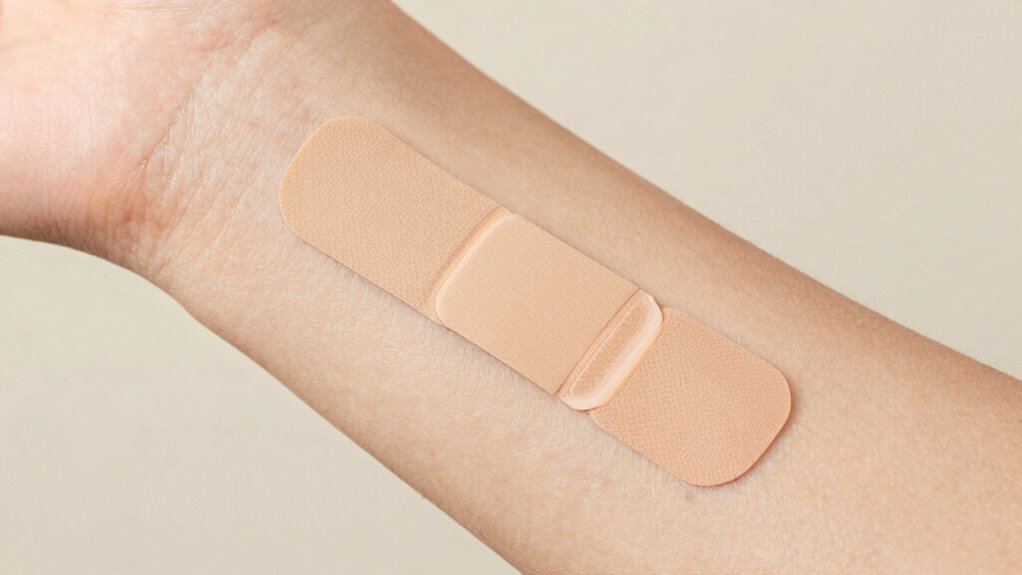
Choosing the right patches can considerably reduce the risk of skin reactions, especially if your skin is sensitive or prone to irritation. Look for patches labeled as hypoallergenic options, designed specifically for delicate skin. These patches typically contain fewer irritants and are less likely to cause redness or discomfort. Additionally, opt for patches made from breathable materials, which allow air to circulate and prevent excess moisture buildup that can worsen irritation. Check product descriptions and reviews to ensure the patch’s materials are gentle and suitable for sensitive skin. Avoid patches with added fragrances, adhesives, or dyes that can trigger reactions. By selecting hypoallergenic options and breathable materials, you can help protect your skin and make patch application more comfortable. Material safety and user reviews highlight the importance of choosing vacuum features to consider, which can also reduce skin irritation caused by excessive dust or allergens. Incorporating patches with skin-friendly adhesives can further enhance comfort and decrease the likelihood of irritation. Additionally, paying attention to product testing and certifications can provide extra reassurance about their suitability for sensitive skin. Furthermore, selecting patches made with allergen-free materials can give extra peace of mind for those with highly reactive skin.
Preparing Your Skin to Prevent Redness Before Applying a Patch
To help prevent redness and irritation, start by thoroughly cleaning your skin before applying a patch. Use a gentle, fragrance-free cleanser to remove dirt, oil, and sweat, which can compromise your skin barrier. Before applying the patch, perform a patch test on a small area to check for any adverse reactions. This helps guarantee your skin tolerates the adhesive and active ingredients. Strengthening your skin barrier is essential—avoid harsh scrubs or alcohol-based products that can weaken it. Allow your skin to fully dry after cleansing, as moisture can increase the risk of irritation. Proper preparation creates a stable, healthy surface, reducing the likelihood of redness and discomfort once the patch is applied. Incorporating skin barrier support into your routine can further help protect your skin from irritation and redness. Additionally, using products that enhance your skin barrier function can provide ongoing protection against irritation caused by adhesives. Maintaining a healthy skin barrier is crucial for minimizing sensitivity and ensuring your skin remains resilient. Ensuring your skin stays hydrated can also help maintain its overall health and resilience against irritation. Regularly using moisturizing products can strengthen your skin’s defenses and reduce the chances of irritation from patch adhesives.
How to Apply Patches Properly to Avoid Irritation
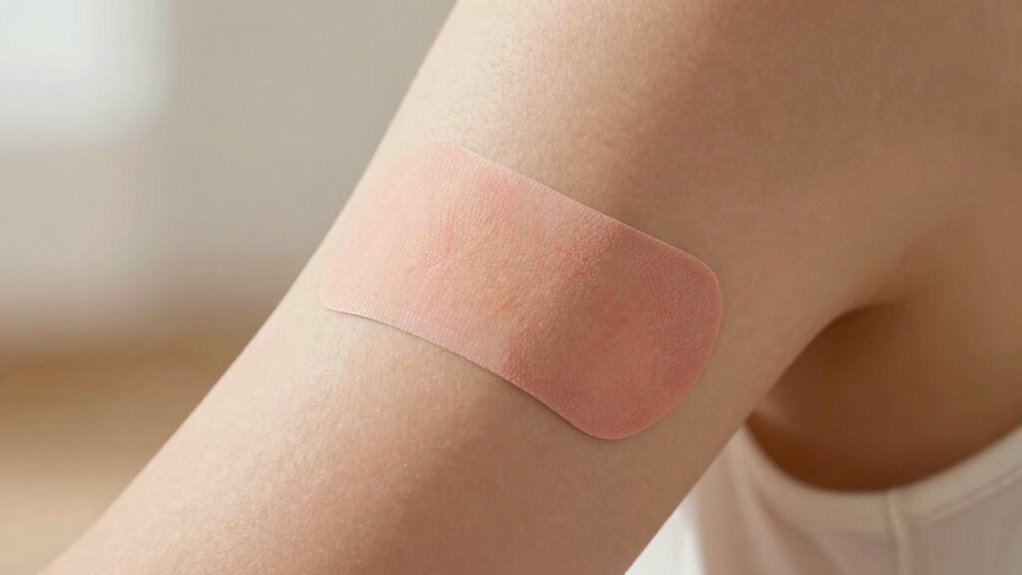
Once your skin is clean and dry, applying the patch carefully can help prevent irritation. Focus on proper patch placement, choosing areas with minimal movement and avoiding sensitive spots or broken skin. Make sure your skin is well-hydrated before applying; dry skin can increase the risk of redness and peeling. Gently press the patch onto your skin, ensuring full contact without stretching or pulling. Avoid touching the adhesive side excessively, as oils and dirt can compromise adhesion and cause irritation. If needed, lightly moisturize around the area beforehand, but keep the patch area itself dry. Proper application, combined with maintaining skin hydration, helps reduce irritation and ensures the patch stays securely in place, making your skincare routine more comfortable and effective. Additionally, understanding skin sensitivity can help you select the best patches for your skin type. Being aware of product ingredients also assists in avoiding potential allergens or irritants that could exacerbate skin reactions. Recognizing proper application techniques can further enhance comfort and reduce the likelihood of irritation. Incorporating patch testing a new product on a small area can also help identify potential reactions before full application. Moreover, being mindful of the history of patch use can inform you of safe practices and common pitfalls to avoid during application.
What to Do If Your Skin Becomes Red or Sensitive After a Patch
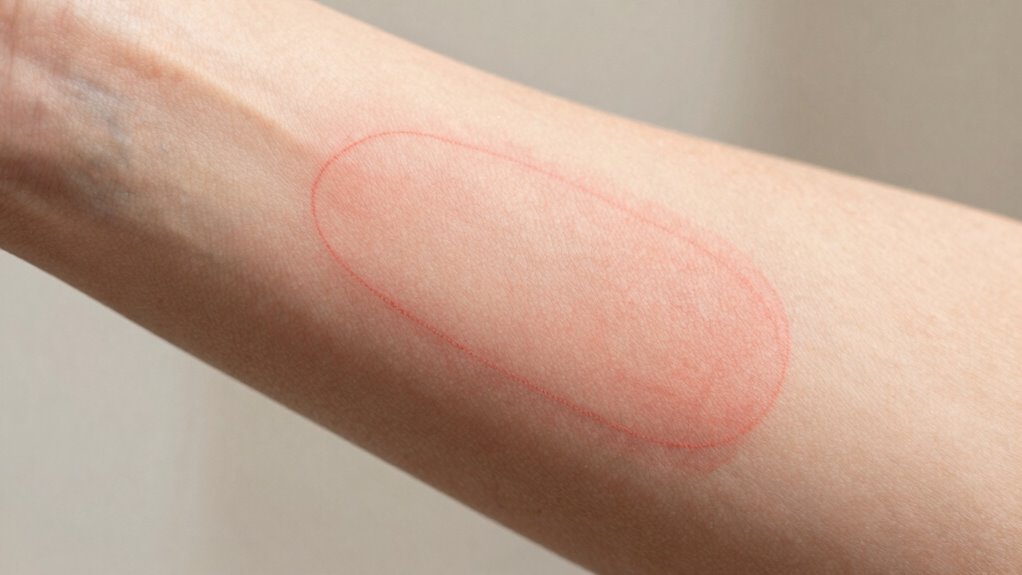
If your skin becomes red or sensitive after removing a patch, it’s important to act quickly to soothe the area. Start by gently washing the skin with cool water and mild soap to remove residual adhesive or medication. Applying a cold compress can reduce inflammation and discomfort. Consider using an over-the-counter hydrocortisone cream or antihistamine if the reaction persists. To prevent future issues, perform patch testing before applying new patches, especially if you have sensitive skin. Proper allergy management is key—avoid patches that caused reactions and consult a healthcare professional for personalized advice. Using educational resources can help you better understand how to care for sensitive skin and avoid adverse reactions. Additionally, keeping a reaction diary can assist in identifying specific triggers. Being aware of potential irritants in adhesives or skincare products can further help in preventing reactions. Understanding skin sensitivities and how they relate to patch reactions can improve your prevention strategies. Use the following table to help identify steps and considerations:
| Step | Action | Purpose |
|---|---|---|
| Patch testing | Test on small skin area before full application | Detect allergies early |
| Gentle cleansing | Wash with cool water after removal | Reduce irritation |
| Cold compress | Apply for 10-15 minutes | Alleviate redness |
| Topical creams | Use hydrocortisone or antihistamines if needed | Soothe sensitive skin |
| Consult provider | Seek advice if reactions persist | Manage allergy effectively |
Frequently Asked Questions
Are There Specific Ingredients That Trigger Skin Sensitivities With Patches?
Yes, certain ingredients in patch formulation can trigger ingredient sensitivities. Common culprits include fragrances, preservatives like parabens, and alcohol. If your skin is sensitive, check patch labels carefully, and opt for formulations with hypoallergenic or minimal ingredients. Always do a patch test before applying new patches, and avoid ingredients you know cause reactions. This proactive approach helps prevent redness and irritation, keeping your skin healthier.
Can Patch Size Affect the Likelihood of Skin Irritation?
Sure, larger patches might seem like a good idea, but ironically, they actually increase your irritation risk. Smaller patch sizes typically distribute the medication more evenly and reduce skin stress, lowering the chance of redness or irritation. So, if you want to minimize irritation, opt for the smallest patch that still covers the area effectively. Remember, bigger isn’t always better when it comes to sensitive skin!
How Long Can I Safely Wear a Patch Before Risking Irritation?
You should remove a patch after 24 hours to prevent irritation and protect your skin barrier. Leaving it on longer increases the risk of redness and discomfort. Regular patch removal allows your skin to breathe and reduces buildup of adhesive or medication. When removing, do so gently to avoid damaging your skin, and give your skin time to recover before applying another patch. Always follow specific product guidelines for safe use.
Do Different Skin Types React Differently to Patch Adhesives?
Yes, different skin types react differently to patch adhesives. Those with sensitive skin often have a weaker skin barrier, making them more prone to irritation from various adhesive formulations. You should choose adhesives designed for sensitive skin and test a small area first. Look for hypoallergenic options, and give your skin time to recover if you notice redness or discomfort. Proper adhesion and gentle removal help protect your skin barrier.
Are There Natural Remedies to Soothe Irritated Skin From Patches?
Yes, you can try herbal remedies for skin soothing to calm irritated skin from patches. Applying aloe vera gel provides natural anti-inflammatory benefits, while chamomile tea bags, cooled and placed on the skin, can reduce redness and irritation. Coconut oil offers moisturizing properties that help repair skin barrier. Always do a patch test first, and consult a dermatologist if irritation persists. These natural remedies can help soothe your sensitive skin effectively.
Conclusion
By following these tips, you turn your skin into a calm, gentle landscape rather than a battlefield. Imagine your skin as a smooth canvas, free of redness and irritation, ready to absorb the benefits of your patch. With careful preparation and proper application, you can keep irritation at bay and enjoy your treatments without worry. Think of your skin as your most precious canvas—treat it with kindness, and it’ll reward you with comfort and confidence.