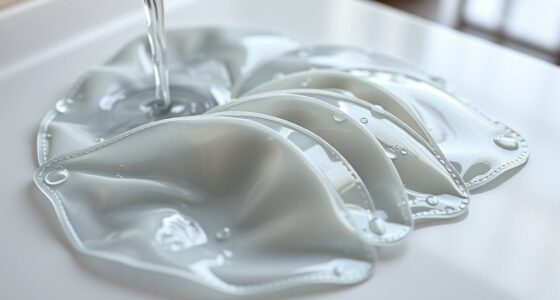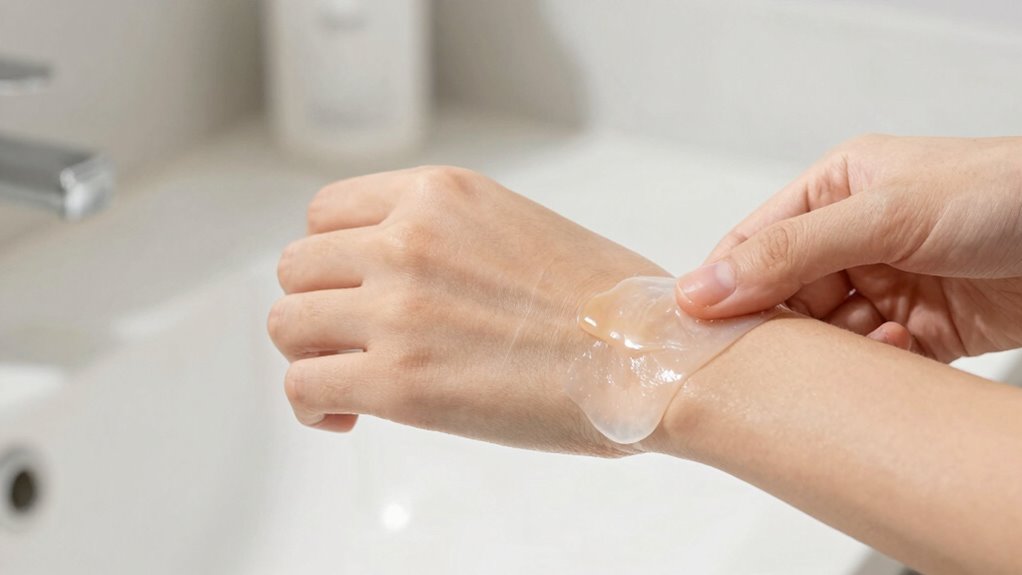

Skincare patches tend to work better on damp skin because moisture helps them adhere more effectively and enhances ingredient absorption. Hydrating patches, like those with hyaluronic acid or aloe vera, benefit from applying on damp skin right after cleansing or misting. However, medicated patches for blemishes or exfoliation usually stick better on dry, clean skin to avoid slipping. To discover more tips on how to get the most out of your patches, keep exploring these skincare details.

Get beauty and skincare favorites delivered free with Prime
- Fast, free delivery on millions of items
- Prime Video, Amazon Music and more included
- Member-only deals all year
Key Takeaways
- Hydrating patches are most effective on damp skin, as moisture enhances ingredient absorption and patch adherence.
- Medicated or exfoliating patches adhere better on dry, clean skin for optimal contact and effectiveness.
- Applying patches immediately after cleansing or toning, considering skin condition, improves their performance.
- Oily or sweaty skin benefits from dry skin application to prevent slipping and ensure better adhesion.
- Proper skin preparation and timing are crucial for maximizing patch efficacy, regardless of moisture level.
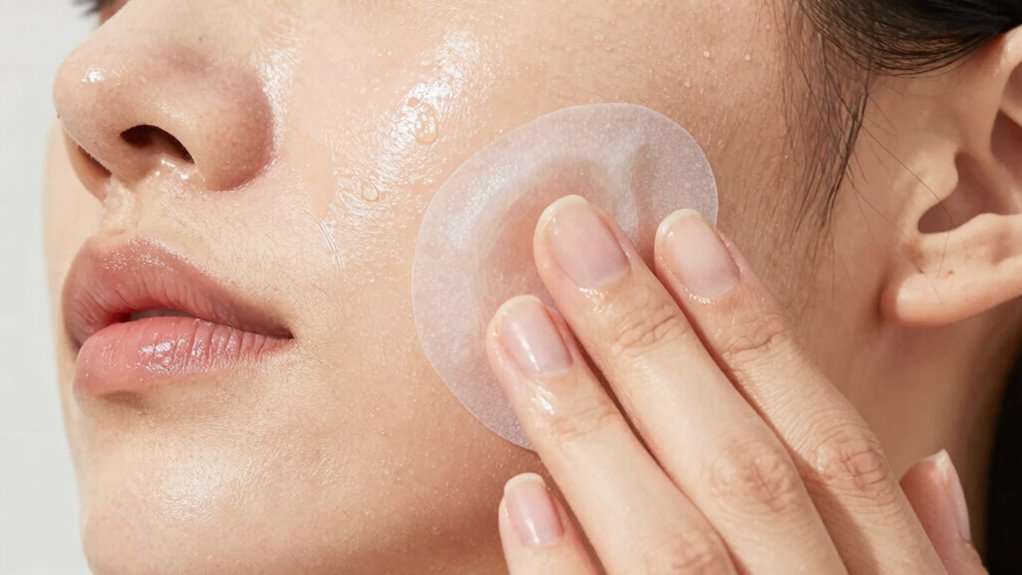
When it comes to applying skincare patches, the debate often centers on whether your skin should be damp or dry for ideal absorption. The answer largely depends on the application timing and the patch types you’re using. Some patches are designed to work best on damp skin, while others perform optimally on dry skin. Understanding these nuances can help you maximize their effectiveness.
Choosing between damp or dry skin depends on patch type and application timing for best results.
If you’re considering application timing, it’s important to follow the instructions provided with each patch. Many hydrating or nourishing patches recommend applying on damp skin immediately after cleansing or lightly misting your face. This dampness helps the patch adhere better and allows the active ingredients to penetrate more deeply. On the other hand, patches meant for targeted treatment, like acne patches or exfoliating ones, often work best on dry, clean skin. Applying them on damp skin could dilute the active ingredients or cause them to slide off, reducing their effectiveness.
Patch types also influence whether damp or dry skin is preferable. Hydrating patches, such as those infused with hyaluronic acid or aloe vera, are designed to lock moisture in and thus work more effectively when applied to damp skin. The moisture acts as a vehicle, helping the ingredients penetrate and hydrate your skin more thoroughly. Conversely, medicated patches targeting blemishes or exfoliation are typically formulated to adhere best on dry, oil-free skin. Moisture can interfere with their adhesion, causing them to peel prematurely or not stick properly.
Your skin’s condition can also influence the best approach. If your skin feels oily or sweaty, applying patches on dry skin might help them stick better and stay in place longer. Conversely, if your skin is dry or dehydrated, applying a hydrating patch on damp skin can provide added moisture and boost the patch’s absorption capacity. Proper skin preparation can make a significant difference in how well patches adhere and deliver their active ingredients. Additionally, skin condition can play a significant role in determining the most effective application method, especially when considering moisture levels for optimal results. Timing matters too—applying patches immediately after cleansing or toning can help prepare your skin for better absorption, regardless of whether it’s damp or dry.
hydrating skincare patches hyaluronic acid
As an affiliate, we earn on qualifying purchases.
As an affiliate, we earn on qualifying purchases.
Frequently Asked Questions
Can Skin Type Affect the Effectiveness of Patches?
Yes, your skin type can affect how effective patches are. Hydration levels influence skin absorption, with well-hydrated skin typically absorbing ingredients better. If you have dry skin, patches may not penetrate as deeply, reducing their effectiveness. Conversely, oily or combination skin might allow for better absorption, but excess oil can create a barrier. Adjust your skincare routine accordingly to optimize patch performance based on your skin’s hydration and type.
Are There Specific Patches Better Suited for Damp or Dry Skin?
When it comes to patch effectiveness, you’ll find that patches designed for dry skin often adhere better on a well-hydrated canvas, while those for damp skin thrive with a bit more moisture. For ideal patch adhesion, choose formulations tailored to your hydration levels. If your skin feels parched, opt for hydrating patches on damp skin; for naturally moist skin, dry-skin patches work wonders. This way, your skin absorbs benefits more efficiently.
How Long Should I Leave a Patch on for Optimal Results?
You should leave a skincare patch on for the time recommended by the product instructions, usually around 8-12 hours. Proper hydration levels can enhance absorption rates, making the patch more effective. If you notice any irritation or discomfort, remove it sooner. For best results, use patches consistently, ensuring your skin is clean and slightly damp if the product benefits from increased absorption, but follow the specific guidelines for your patch.
Do Skincare Patches Work Differently on Sensitive Skin?
Skincare patches can work differently on sensitive skin, especially if your hydration levels vary. If you have sensitive skin, patches with calming ingredients can reduce irritation, but they might also cause reactions if your skin is overly sensitive or dehydrated. To minimize issues, make sure your skin is well-hydrated before applying patches, and choose formulas designed for sensitive skin. This helps improve absorption and reduces the risk of irritation.
Can Using Patches on Damp Skin Cause Irritation or Breakouts?
Using patches on damp skin can turn your skincare routine into a slippery slope, risking irritation or breakouts. Damp skin can interfere with patch adhesion, causing it to shift or not stick properly. Plus, excess moisture may lead to uneven ingredient absorption, potentially clogging pores or irritating sensitive skin. For the best results, make sure your skin is dry to optimize patch adhesion and maximize ingredient absorption without the unwanted side effects.
Conclusion
Whether you apply your skincare patch on damp or dry skin, remember that your skin is the canvas of your beauty masterpiece. Damp skin acts like a well-prepared stage, allowing the patch’s ingredients to flow smoothly and deeply. Dry skin, on the other hand, can serve as a barrier, like a fortress resisting the treatment’s full embrace. Choose wisely, and let your skin’s landscape reveal its true radiance—like a garden in full bloom.
Halloween Picks
halloween
As an affiliate, we earn on qualifying purchases.