
Pimple patches turn cloudy at different speeds based on their material, ingredients, thickness, and environmental factors. More absorbent materials like hydrocolloid turn cloudy faster, especially with potent ingredients like salicylic acid or tea tree oil. Thinner patches fill up quicker than thicker ones, and external conditions like humidity and temperature also play a role. Understanding these factors helps you choose the right patch for your skin needs; keep exploring to learn more.

Get beauty and skincare favorites delivered free with Prime
- Fast, free delivery on millions of items
- Prime Video, Amazon Music and more included
- Member-only deals all year
Key Takeaways
- Patch material type and porosity determine how quickly it absorbs moisture and turns cloudy.
- Embedded skincare ingredients like salicylic acid can accelerate saturation and clouding.
- Thinner patches fill and cloud faster than thicker ones due to higher absorption rate.
- Environmental factors such as humidity and temperature influence absorption speed and cloudiness.
- The patch’s design and ingredients impact how quickly it reaches saturation and appears cloudy.
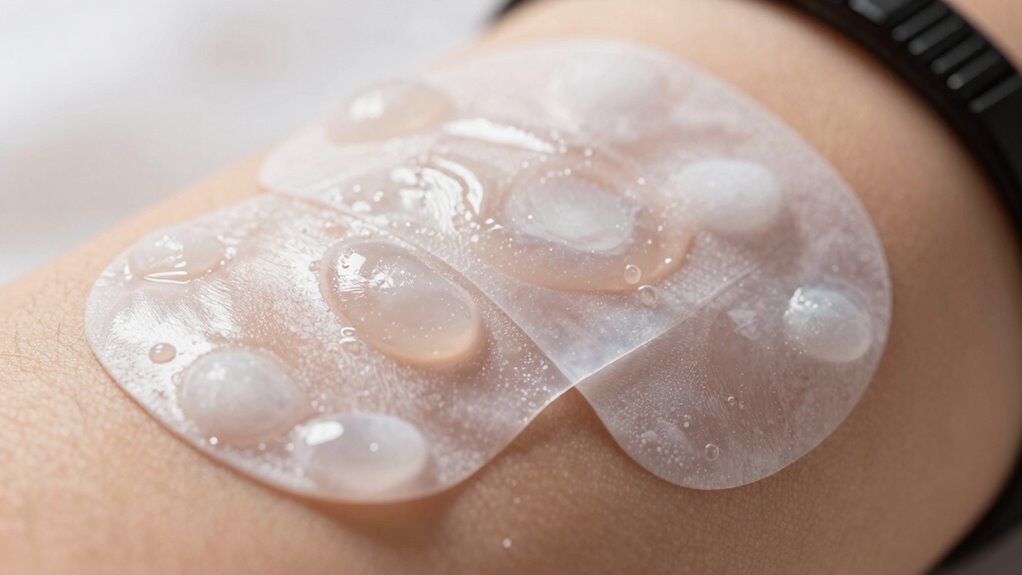
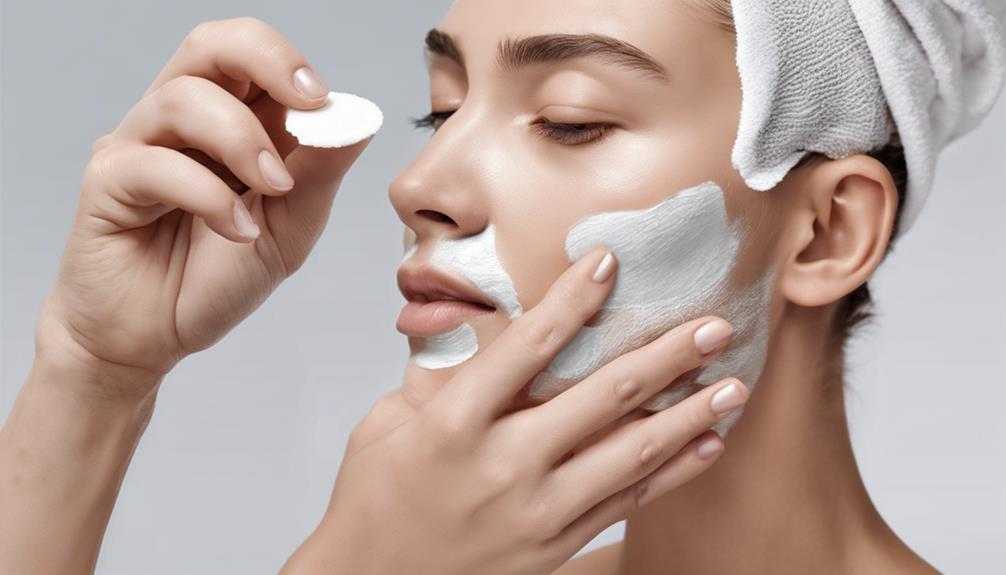
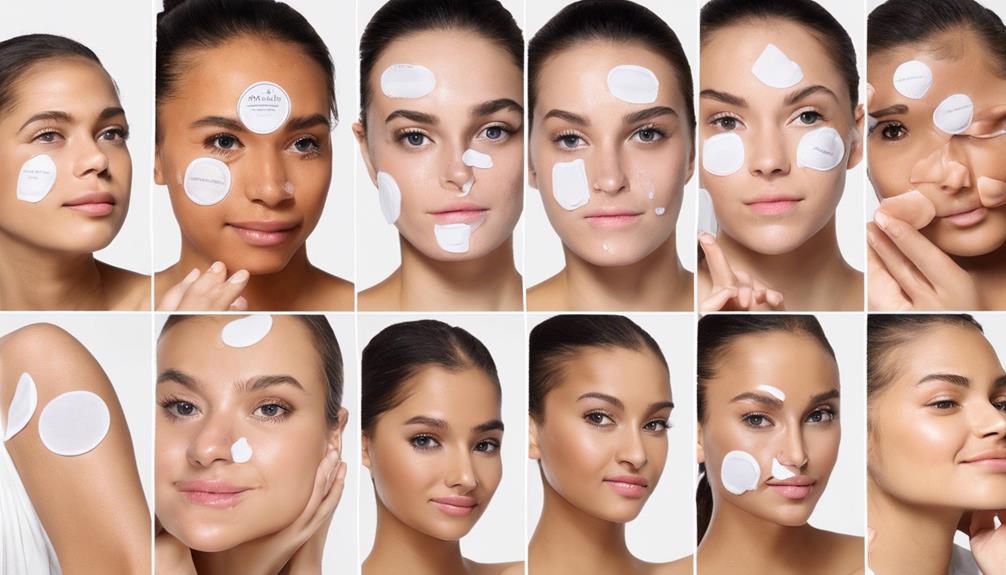
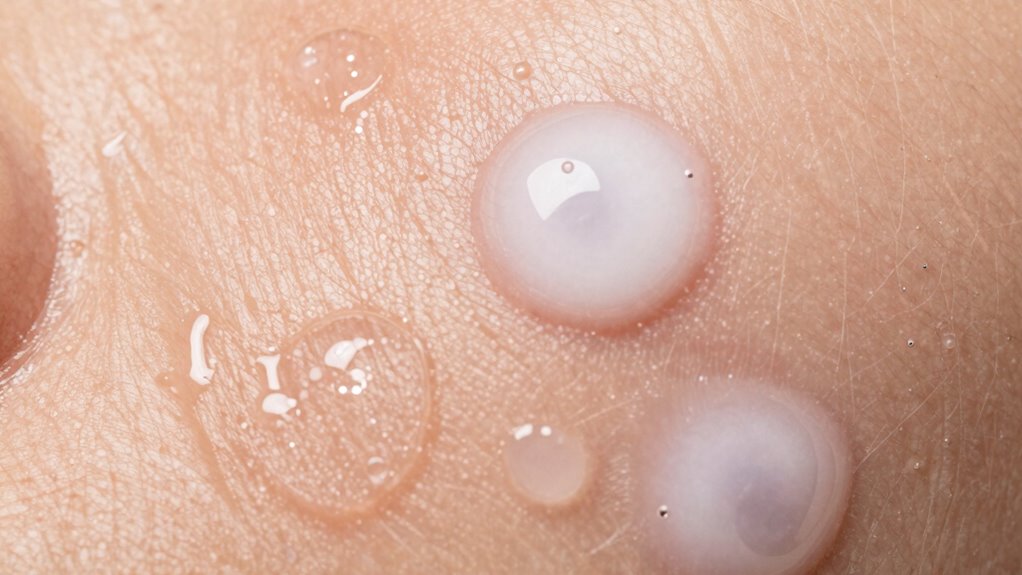
If you’ve ever used a pimple patch, you’ve probably noticed that some turn cloudy faster than others, and this variation can be puzzling. The cloudiness you see isn’t random; it’s linked to the interaction between the patch material and the skincare ingredients inside. When you apply a pimple patch, it acts as a tiny barrier, drawing out impurities and absorbing excess oil. Over time, the patch’s appearance changes as it fills with debris, moisture, and skin fluids, causing it to turn cloudy. But why does this happen at different speeds? The answer lies in the specific makeup of the patch material and the skincare ingredients it contains.
Your pimple patch is made from a variety of materials, such as hydrocolloid, polyurethane, or silicone. Hydrocolloid patches are most common because they absorb moisture effectively. The patch material’s porosity and absorption capacity directly influence how quickly it turns cloudy. A highly absorbent material pulls in fluids faster, making the patch cloudy sooner, while a less absorbent one might stay transparent longer. The skincare ingredients embedded in the patch also play a role. Some patches incorporate ingredients like salicylic acid or tea tree oil, which can accelerate the absorption process and influence how quickly the patch turns cloudy.
Hydrocolloid patches’ porosity and ingredients like salicylic acid influence how quickly they turn cloudy.
The interaction between skincare ingredients and patch material determines how quickly the patch reaches saturation. For example, patches infused with potent ingredients like salicylic acid work to break down buildup inside your pores, which can speed up the clouding process. Conversely, patches with milder ingredients or those with less porous materials tend to stay transparent longer because they don’t absorb as quickly or don’t react as strongly with fluids. Additionally, the thickness of the patch material impacts this process. Thicker patches tend to absorb more slowly, prolonging transparency, while thinner patches fill up faster and turn cloudy sooner.
Environmental factors also influence the pace at which patches turn cloudy. Humidity and temperature can speed up absorption, making patches cloudier faster. But primarily, it’s the combination of patch material and skincare ingredients that determines the rate of cloudiness. If you notice your patches turning cloudy quickly, it’s a sign they’re working efficiently, drawing out impurities. If they stay clear longer, it might mean they’re less absorbent or contain gentler ingredients. Understanding patch composition can help you choose the right patch for your skin type and needs, optimizing your skincare routine. Recognizing the material properties of patches can further aid in selecting the most suitable option.
Knowing how patch material composition affects cloudiness can assist you in selecting patches that match your specific skincare goals and skin sensitivity.
Frequently Asked Questions
Do Different Brands of Pimple Patches Turn Cloudy at Different Rates?
Yes, different brands of pimple patches turn cloudy at different rates because of variations in their ingredients and adhesive quality. Some patches contain more effective active ingredients, which can cause cloudiness faster as they absorb impurities. Additionally, higher-quality adhesives may keep the patch intact longer, delaying cloudiness. The differences in formulation and adhesive strength influence how quickly the patches change appearance during use.
Can Environmental Factors Affect the Cloudiness of Pimple Patches?
Environmental factors definitely affect how quickly your pimple patch turns cloudy. Did you know that high humidity fluctuations can accelerate this process? When the air is more humid, your skin produces more oil, which can cause the patch to absorb faster and turn cloudy sooner. So, if you notice your patches changing differently, it’s likely due to environmental conditions like humidity and your skin’s oiliness, not just the patch itself.
Is It Safe to Reuse a Pimple Patch Once It Has Turned Cloudy?
It’s not safe to reuse a pimple patch once it turns cloudy. Reusing can cause skin sensitivity and reduce patch adhesion, increasing the risk of irritation or infection. Cloudiness indicates the patch has absorbed impurities, and reapplying it won’t be effective. For best results and skin safety, replace the patch with a fresh one. Always follow the manufacturer’s instructions to protect your skin.
How Long Does It Typically Take for a Pimple Patch to Turn Cloudy?
You’ll notice your pimple patch turning cloudy in about 6 to 12 hours, signaling skin healing and pimple drying. This change indicates the patch is absorbing impurities and excess oil, working effectively. Keep in mind, the timing varies based on your skin type and the pimple’s severity. Trust the process—once cloudy, it’s time to gently remove and discard the patch, revealing clearer skin underneath.
Does the Type of Acne Affect How Quickly Patches Turn Cloudy?
Yes, the type of acne can affect how quickly your pimple patches turn cloudy. If you have sensitive skin or mild pimples, the patches may turn cloudy slower. Conversely, for more severe or inflamed pimples, the patches might turn cloudy faster because they absorb more fluids and impurities. Your skin sensitivity and pimple severity influence how quickly the patch reacts and changes, making each person’s experience unique.
Conclusion
Understanding why pimple patches turn cloudy at different speeds helps you better manage your skincare. Did you know that over 60% of users notice their patches change color within just a few hours? This variation depends on factors like skin type, pus amount, and patch material. So, next time your patch clouds up faster or slower, you’ll know it’s a normal part of healing. Stay patient and consistent—you’re on the right track to clearer skin.
Halloween Picks
halloween
As an affiliate, we earn on qualifying purchases.