Pimple patches might seem ineffective when ingredients don’t match your breakout type or your skin’s sensitivity, causing irritation or reduced effectiveness. Proper application is essential—applying on clean, dry skin and following wear time helps. Timing matters too; using patches at the wrong stage of a breakout or on the wrong skin area can limit results. To get the best outcome, understanding these factors is vital—stick around to discover what you might be missing.

Get beauty and skincare favorites delivered free with Prime
- Fast, free delivery on millions of items
- Prime Video, Amazon Music and more included
- Member-only deals all year
Key Takeaways
- Ingredient mismatch with your breakout type reduces patch effectiveness.
- Sensitive skin or allergies can cause irritation, mimicking patch failure.
- Improper application, like not cleaning or drying skin, limits adhesion and results.
- Wearing patches too long or too short affects ingredient delivery and healing.
- Breakout type (e.g., cystic vs. hormonal) requires specific treatments; patches may not suit all.
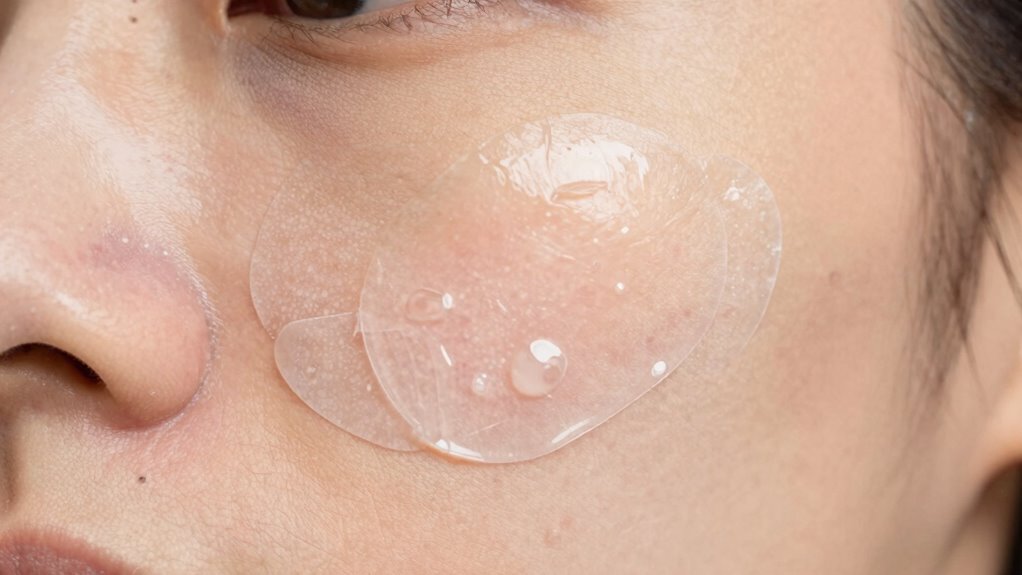
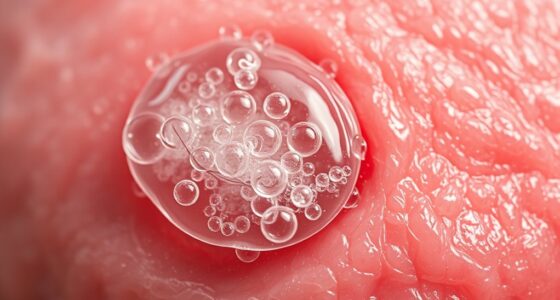
Pimple patches are a popular quick fix for acne, but they don’t always deliver the results you expect. Sometimes, you put one on, hoping it’ll draw out the pimple or reduce inflammation overnight, only to wake up and find it’s made little to no difference. One reason might be the ingredient effectiveness. Many patches contain active ingredients like salicylic acid, hydrocolloid, or tea tree oil, designed to target different aspects of acne. If these ingredients aren’t potent enough or aren’t suited to your skin type, the patch won’t do much. For example, salicylic acid works best on inflamed, clogged pores, but if your pimple isn’t that kind of breakout, the patch’s ingredients won’t penetrate deeply enough to help. Similarly, some patches rely on hydrocolloid to absorb excess oil and pus, but if your pimple isn’t producing much sebum or isn’t inflamed, the patch won’t have much to absorb.
Pimple patches work best on inflamed, clogged pores with excess oil or pus.
Another factor is your skin reaction. Your skin’s unique response can influence how effective a pimple patch is. If you have sensitive skin or are prone to allergies, the adhesive or ingredients might cause irritation rather than healing. An irritated skin reaction from a patch can sometimes worsen inflammation or cause redness, making it seem like the patch isn’t working. Sometimes, your skin simply doesn’t respond well to the patch’s active ingredients, either because they aren’t effective enough or don’t match your skin’s needs. Additionally, skin sensitivity can play a significant role in how your skin reacts to different treatments, including pimple patches. It’s also important to consider that proper application methods can significantly impact the effectiveness of the patch, as incorrect usage may hinder results. Using the patch on a clean, dry surface and following the recommended wear time increases the chances of success. Furthermore, product formulation can influence how well the patch works, especially if it isn’t formulated for your specific breakout type or skin condition.
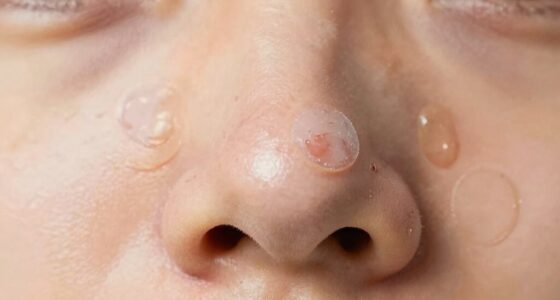
You might also be using the patch at the wrong time or in the wrong way. For instance, if you apply it after washing your face but don’t dry the area properly, the adhesive might not stick well, reducing its contact with your skin. If you leave the patch on too long or not long enough, it might not deliver the intended benefits. Proper application is essential, but even then, if the patch’s ingredients aren’t suited to your specific skin or breakout type, it won’t do much. It’s also worth noting that breakout type can influence whether a pimple patch will be effective or not, as cystic or hormonal acne often require different treatments.
best pimple patches for inflamed acne
As an affiliate, we earn on qualifying purchases.
As an affiliate, we earn on qualifying purchases.
Frequently Asked Questions
Can Pimple Patches Work on Cystic Acne?
Pimple patches generally don’t work well on cystic acne because these deep, inflamed bumps are harder to treat with surface-level solutions. Pimple patch ingredients like hydrocolloid can absorb fluid, but they don’t penetrate skin deeply or reduce inflammation effectively. If you have sensitive skin, choose patches that are gentle and free from irritating ingredients. For cystic acne, consult a dermatologist for targeted treatments instead of relying solely on pimple patches.
Do Pimple Patches Prevent Future Breakouts?
Pimple patches don’t prevent future breakouts directly, despite common pimple patch myths. They mainly target active blemishes by absorbing excess oil and reducing inflammation. To truly prevent future breakouts, you need to support your skin’s healing processes with a consistent skincare routine, including cleansing and moisturizing. Pimple patches help manage current issues, but long-term prevention relies on understanding your skin and maintaining healthy habits.
Are Pimple Patches Effective on Deep Scars?
Pimple patches aren’t effective on deep scars since they’re designed to treat surface-level blemishes, not old or deep skin damage. For scar treatment, you’ll need specialized creams, laser therapy, or other dermatological options. Remember, many pimple patch myths suggest they work miracles for everything, but they mainly target active breakouts. Focus on proven scar treatments, and don’t rely solely on patches for deep scars.
How Long Should I Leave a Patch On?
You should leave a pimple patch on for at least 6 to 8 hours or overnight, depending on the product instructions. The hydrocolloid properties of the patch absorb excess fluid and create a moist environment that promotes the skin healing process. Removing the patch too early might hinder its effectiveness, while leaving it on too long could cause irritation. Follow the specific guidelines provided for best results.
Can I Use Pimple Patches With Other Skincare Products?
Using pimple patches with other skincare products is like juggling flaming torches—you need to be careful! You can generally layer products, but watch for ingredient interactions that might irritate your skin or reduce patch effectiveness. Also, make sure the patch sizing matches your blemish—larger spots may need bigger patches. To avoid issues, apply patches after cleansing and before thick creams, and test new products on small skin areas first.
Conclusion
Sometimes, despite your best efforts, that stubborn blemish just won’t budge. It’s not always the patch’s fault; your skin’s unique story, timing, and other factors play a quiet role. Think of it as a gentle nudge from your skin, reminding you that every blemish has its own pace to heal. So, be patient and kind to your skin—it’s doing its best, even when the results aren’t immediately visible.
Halloween Picks
halloween
As an affiliate, we earn on qualifying purchases.