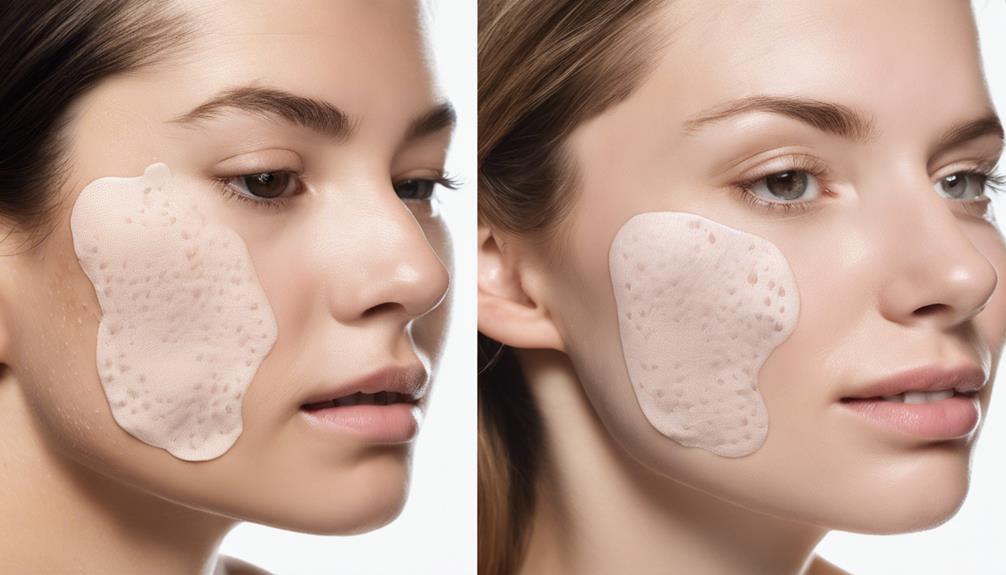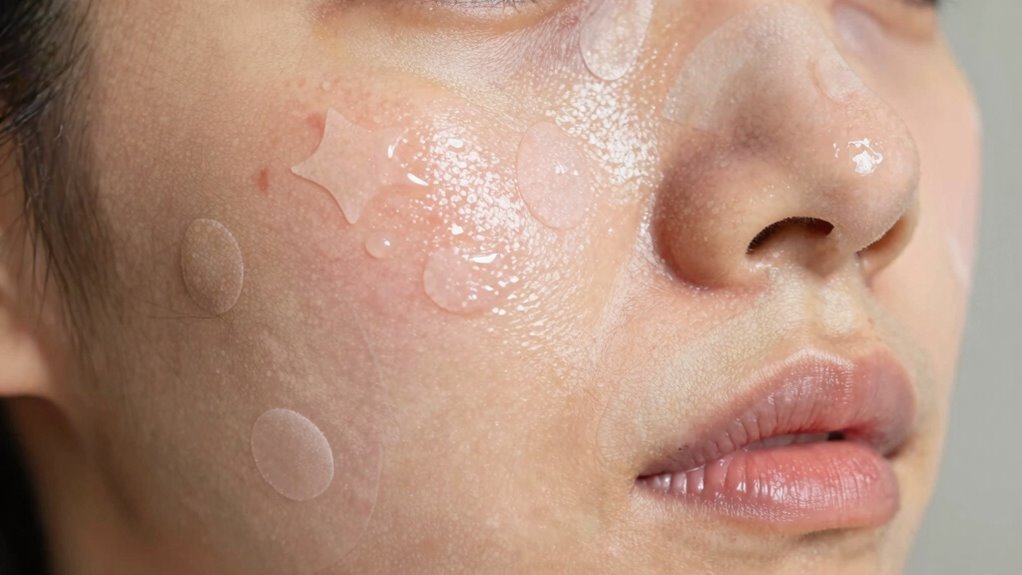

You shouldn’t sleep with pimple patches on every spot because overuse can clog pores, cause irritation, and interfere with your skin’s healing. It’s best to target only specific blemishes and avoid layering patches on your whole face. Using too many or leaving patches on too long can disrupt your skin’s balance and cause discomfort. If you want to learn more about proper patch use and avoiding common mistakes, keep exploring these tips.

Get beauty and skincare favorites delivered free with Prime
- Fast, free delivery on millions of items
- Prime Video, Amazon Music and more included
- Member-only deals all year
Key Takeaways
- Pimple patches should target specific spots; covering every blemish can clog pores and hinder healing.
- Overusing patches or leaving them on too long may cause skin irritation or damage.
- Thick or uncomfortable patches can disturb sleep, reducing their overall effectiveness.
- Proper application and removal are essential to avoid skin irritation and maintain skin health.
- Regularly assess patch effectiveness and avoid excessive use to prevent disruption of skin’s natural balance.
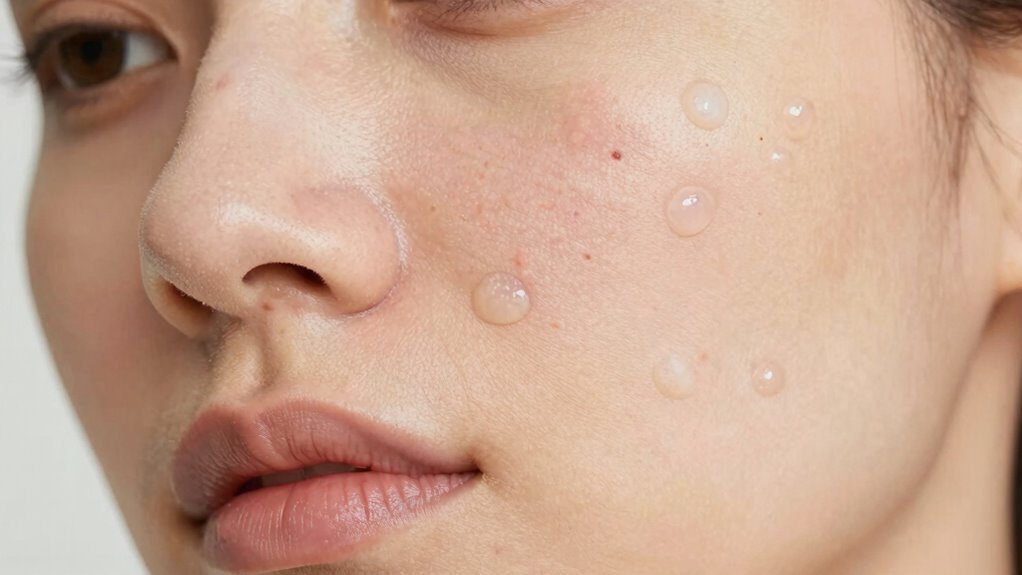
When it comes to skincare routines, it’s tempting to cover every blemish with a patch, thinking it’ll speed up your healing. But your skin needs room to breathe, and too many patches can clog your pores or cause irritation, especially if they’re left on for too long. The goal should be to target specific spots rather than blanket your entire face with them. Using patches selectively helps maintain healthy skin and avoids overloading your skin with too many active ingredients. Incorporate these patches into your nightly skincare routine carefully—cleanse thoroughly before applying, and avoid layering too many products that could conflict or cause breakouts. Additionally, choosing the right type of patch for your skin and the specific blemish can make a significant difference in their effectiveness and comfort.
Sleep hygiene also plays a role here. Wearing patches that are too thick or uncomfortable can disturb your sleep quality. If a patch feels bulky or causes irritation, it might lead to tossing and turning, which diminishes the restorative benefits of sleep. Good sleep hygiene involves creating a comfortable sleep environment, sticking to a consistent schedule, and avoiding unnecessary distractions. If your pimple patches interfere with these routines, they might do more harm than good. Keep patches to areas where you really need them, and remove them first thing in the morning to prevent prolonged irritation or adhesion issues. Additionally, being mindful of skin irritation and proper patch application techniques can help prevent unnecessary discomfort or damage. It’s also beneficial to pay attention to product compatibility to ensure the patches work well with your overall skincare routine. Incorporating skin-friendly materials into your patch selection can further minimize irritation and enhance comfort during sleep.
Products Worth Considering
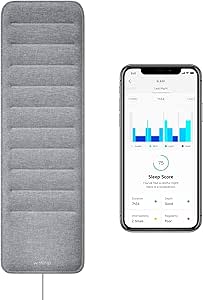
Withings Sleep Under-Mattress Sleep Tracking Pad

Therabody Theragun Mini 3rd Generation Massage Gun

Bowflex PR1000 Home Gym
As an affiliate, we earn on qualifying purchases.
Frequently Asked Questions
Are Pimple Patches Safe for All Skin Types?
Pimple patches are generally safe for most skin types, but your lifestyle factors matter. Sensitive skin might react to certain ingredients, so choose a variety suited for your skin, like hydrocolloid or hydrogel patches. Always patch test first and follow product instructions. If you notice irritation or discomfort, remove the patch and consult a dermatologist. Different pimple patch varieties help address specific skin needs, making it safer to use when suited properly.
How Long Can I Leave a Patch on Overnight?
You can typically leave a pimple patch on overnight, but it’s best to follow the specific product instructions. Most patches are designed for 6-8 hours of wear, allowing for effective pimple extraction and moisture lock. When it’s time for removal, do a gentle pimple patch removal, ensuring the patch material compatibility with your skin. Leaving it on too long may cause irritation or hinder healing, so always check the recommended duration.
Can Pimple Patches Cause Skin Irritation?
Did you know that up to 20% of users report skin irritation from pimple patches? Yes, they can cause irritation, especially if you have sensitive skin or use them improperly. If irritation occurs, consider pimple patch alternatives like topical creams or natural remedies. To soothe skin irritation, try gentle cleansing, applying aloe vera, or using over-the-counter remedies. Always patch-test before full application to prevent adverse reactions.
Do Pimple Patches Work on Cystic Acne?
Pimple patches are generally less effective on cystic acne because they target surface-level issues, like inflammation and bacteria, rather than deep cysts. While some pimple patch effectiveness can help reduce redness and swelling, they aren’t a reliable cystic acne treatment. For cystic acne, you should consider consulting a dermatologist for stronger, targeted treatments instead of relying solely on patches.
Can Wearing Patches Affect Skin Healing?
Like a delicate garden needing careful tending, wearing patches can influence skin healing. They promote targeted skin absorption, but if left on too long, they may hinder the natural healing process or cause irritation. Patch longevity matters—removing it at the right time ensures ideal benefits. So, yes, wearing patches affects skin healing, but with proper timing and care, they can support your skin’s recovery rather than impede it.
Conclusion
So, before you turn every blemish into a fortress with a patch, remember: not every spot needs a night’s shield. Think of your skin as a delicate garden—overcrowd it with patches, and you might block the natural flow of healing. Use them wisely, like a gardener tending to only the most stubborn weeds. After all, sometimes less truly is more, and giving your skin room to breathe can be the best remedy of all.