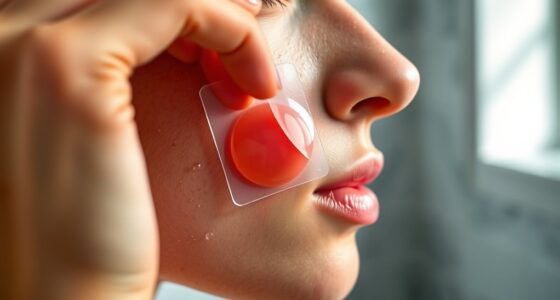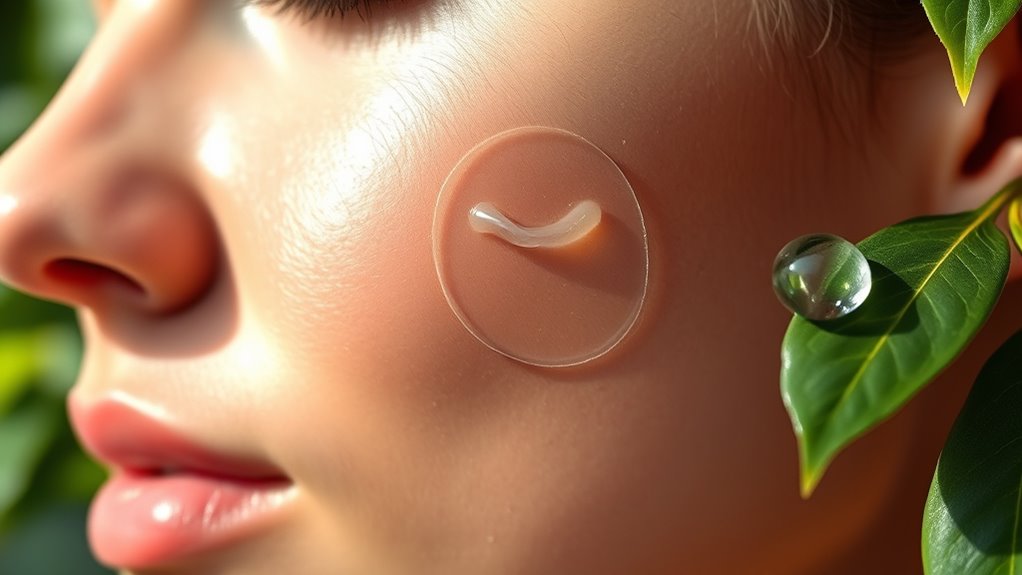

To maximize pimple patch effectiveness, leave it on for 4 to 8 hours for whiteheads and surface pimples. For cystic acne, keep it on for up to 12 hours. You can also use extended wear patches for larger, inflamed pimples, ideally changing them every 24 hours. Make certain to cleanse your skin prior to applying the patch. There are other key tips to guarantee you get the best results, so keep exploring for more insights.
Key Takeaways
- Leave pimple patches on for 4 to 8 hours for optimal effectiveness on whiteheads and surface-level pimples.
- Cystic acne may require patches to be worn for up to 12 hours for best results.
- For blackheads, extended wear with active ingredients can enhance effectiveness beyond standard durations.
- Overnight use (8-12 hours) significantly reduces pimple size and redness by morning.
- Monitor the patch; replace if it turns opaque or starts peeling for continued effectiveness.
Understanding Pimple Patches and Their Functionality
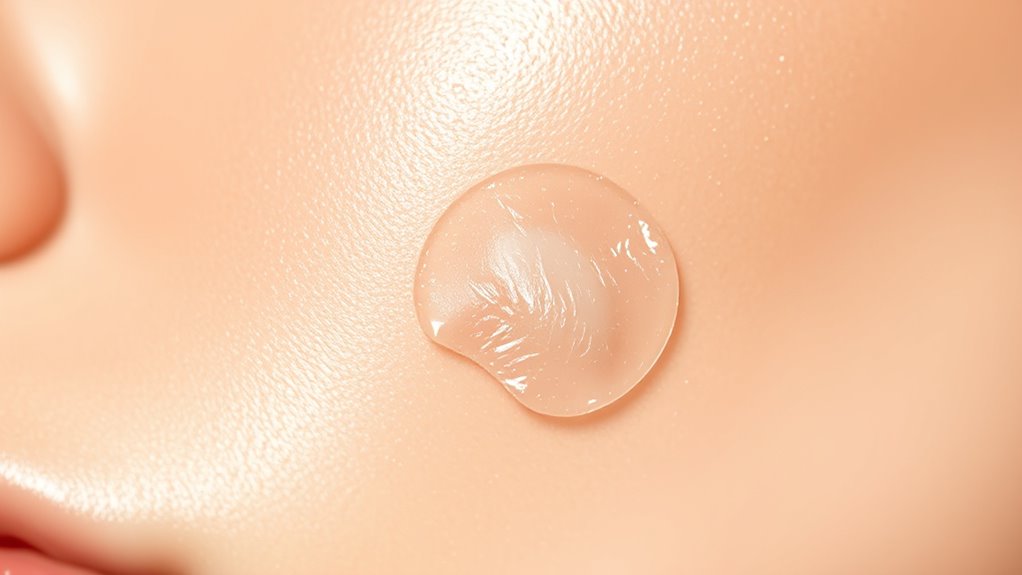
While you might be familiar with pimple patches, understanding how they work can enhance your skincare routine. These patches are made from hydrocolloid, a medical-grade material that absorbs excess fluids like oil and pus while creating a protective barrier. This barrier shields the blemish from contaminants, helping to reduce inflammation and promote faster healing. You’ll appreciate how they adhere comfortably to your skin, eliminating the need for extra taping. Many patches also use breathable adhesives to prevent irritation, making them a hands-off protection solution for managing breakouts.
Recommended Duration for Optimal Effectiveness
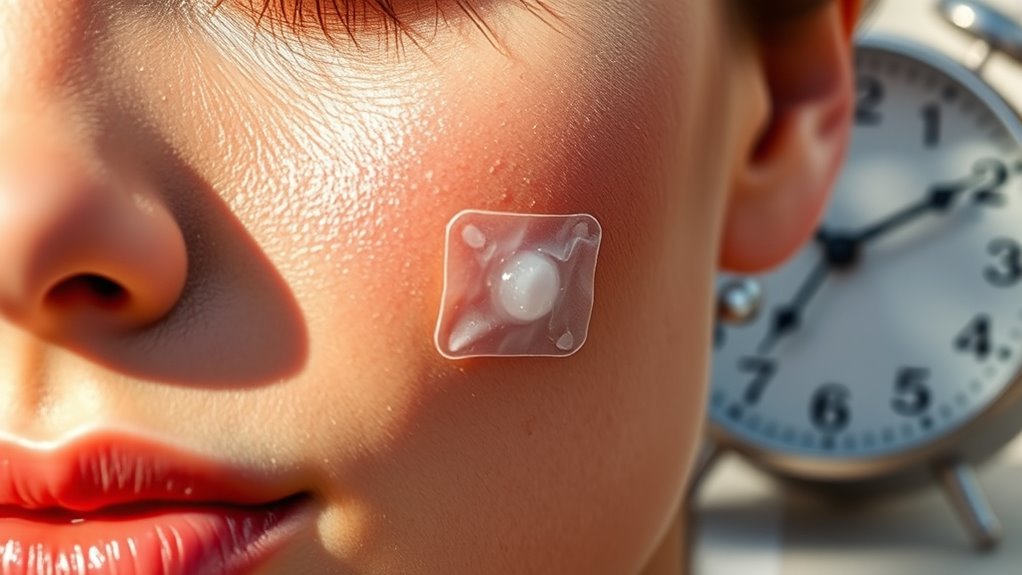
To achieve the best results with pimple patches, aim to leave them on for 4 to 8 hours. This duration is typically effective for most whiteheads and surface-level pimples. If you’re dealing with cystic acne, consider leaving the patch on longer, up to 12 hours, for better inflammation reduction. Blackheads may benefit from extended wear with active ingredients, while sensitive skin types should stick to shorter durations to prevent irritation. Always check the patch; if it turns opaque or starts peeling, it’s time to remove it. Additionally, hydrocolloid technology creates a protective barrier over blemishes, enhancing the patch’s effectiveness.
The Benefits of Overnight Use
Using pimple patches overnight can greatly enhance their effectiveness, as they provide an extended period for the patch to absorb impurities and excess oil. You can expect significant reductions in pimple size and redness by morning, thanks to the longer absorption time of 8-12 hours. Overnight use also prevents you from picking at the pimple, reducing the risk of irritation and scarring. Additionally, these patches protect against dirt and bacteria, creating a clean healing environment. It’s convenient too; you can apply them before bed and let them work without interfering with your daily routine. Furthermore, consistent use of these patches leads to clearer, healthier skin over time.
Extended Wear Patches: When to Use Them

When you’ve got a stubborn pimple that needs extra attention, extended wear patches can be a game-changer.
These thinner, discreet patches are designed for longer use, typically up to 24 hours, making them perfect for daytime wear. They help reduce redness and inflammation, especially for larger or more inflamed pimples. For maximum effectiveness, apply the patch as soon as you notice a breakout. Just make sure to cleanse and dry your skin beforehand.
Monitor the patch regularly; if it becomes saturated or starts peeling, replace it. You can use these patches daily, but remember to balance them with your skincare routine. Additionally, they are most effective on whiteheads since they allow for optimal absorption of excess fluid.
With proper use, extended wear patches can considerably improve your skin’s appearance.
Factors That Influence Patch Duration
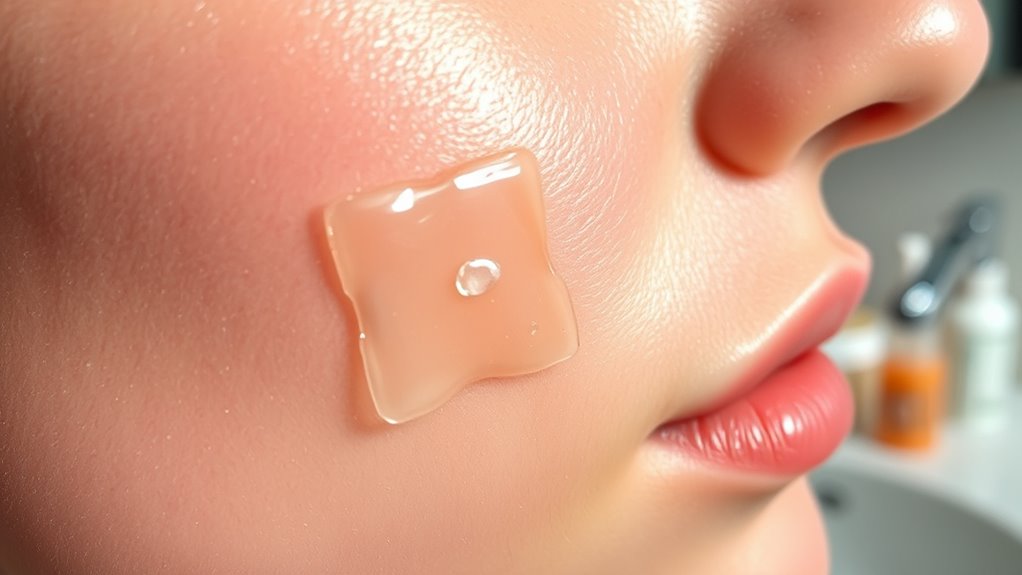
Several factors can influence how long you should leave a pimple patch on to achieve the best results.
The type of acne matters; whiteheads respond well, while blackheads may not benefit much. Your skin type is essential too; if you have sensitive skin, start with shorter wear times to prevent irritation. Additionally, standard hydrocolloid patches are optimal for maximum absorption of impurities and can promote healing when worn for the recommended duration.
The severity of the blemish plays a role; larger, inflamed pimples may need extended wear for better results. Additionally, the patch formulation affects duration; hydrocolloid patches are best for 6-8 hours, whereas active ingredient patches might require less time.
Finally, consider your lifestyle; overnight use offers convenience, while daytime patches can be worn discreetly for shorter periods.
Best Practices for Applying Pimple Patches
Achieving the best results with pimple patches starts with proper application. Begin by cleansing your face with a gentle cleanser to remove dirt, oil, and makeup. Make certain your skin is completely dry before applying the patch, as moisture can hinder adhesion. A clean, dry face ensures the patch adheres effectively and enhances its performance. Avoid placing the patch over skincare products or oils. If you have sensitive skin, test the patch first.
Choose a patch with active ingredients like salicylic acid, making sure it covers the pimple and a bit of the surrounding area. When applying, gently press the patch on the pimple, holding it for 20-30 seconds to activate the adhesive. Keep your hands clean, and avoid twisting or rubbing the patch to maintain its effectiveness.
When to Replace or Remove a Pimple Patch

How do you know when it’s time to replace or remove a pimple patch? Typically, you should replace the patch after 6 to 8 hours of wear, especially if it’s turned opaque or white, signaling it’s absorbed impurities.
If you wear it overnight, extending to 12 hours can enhance results, but monitor it for looseness or peeling. If irritation occurs, remove it immediately. Pimple patches can help maintain moisture in the skin, making them particularly beneficial for those with dry skin types.
While some patches can last up to 24 hours if intact, overextending wear doesn’t improve effectiveness and may irritate your skin.
Regularly check your patch to verify it hasn’t become saturated. If you’re dealing with ongoing breakouts, daily replacement is key for maximum healing.
Frequently Asked Questions
Can I Use Pimple Patches on Active Cystic Acne?
You can use pimple patches on active cystic acne, but they won’t be very effective.
These patches mainly work on surface-level issues, while cystic acne lies deeper in the skin. They may create a barrier and absorb some oil, but they might also irritate sensitive skin.
It’s generally better to seek professional treatment or a thorough skincare routine, as pimple patches alone won’t address the underlying causes of cystic acne effectively.
Are Pimple Patches Safe for Sensitive Skin Types?
Yes, pimple patches can be safe for sensitive skin types, but you should choose the right ones.
Look for hydrocolloid patches designed specifically for sensitive skin, as they contain fewer irritants. Always apply them to clean, dry skin and monitor for any allergic reactions.
They can help reduce inflammation while protecting the pimple from being picked, but if you notice irritation, it’s best to remove them and consult a dermatologist.
What Happens if I Apply a Patch on Broken Skin?
If you apply a pimple patch on broken skin, you risk irritation and discomfort.
The patch can trap bacteria, increasing the chance of infection. Plus, it mightn’t stick well, making it less effective.
Covering broken skin can also delay healing by preventing air exposure.
Dermatologists usually advise against using patches on inflamed or broken skin to avoid complications, so it’s best to let your skin heal naturally first.
Can I Wear Makeup Over a Pimple Patch?
You might be wondering if makeup can coexist with your pimple patch. The good news? It can!
Just imagine carefully applying a lightweight concealer over that patch, blending gently to keep it discreet. You’ll want to avoid thick layers that could draw attention.
As you finish with a translucent powder, you’ll feel confident knowing your patch is still working its magic underneath. Embrace your flawless look while letting your skin heal—it’s possible!
How Often Can I Use Pimple Patches in a Week?
You can use pimple patches daily if you’re dealing with frequent breakouts.
Just keep an eye on your skin type—if you’ve got sensitive or dry skin, limit use to avoid irritation.
Replace patches when they turn opaque or white, indicating they’ve absorbed impurities.
Remember, patches complement your skincare routine, but they shouldn’t replace your regular products.
For persistent acne, consider additional treatments to enhance your results.
Conclusion
In the grand scheme of your skincare routine, pimple patches are your gentle allies, working quietly to soothe and heal. By leaving them on for the recommended duration, you’re giving them the chance to work their magic, transforming unwelcome visitors into mere memories. Remember, though, patience is key. When it’s time to part ways with your little helpers, do so with gratitude, as they’ve done their duty in the battle for clear skin.