

After eye surgery, patches are typically appropriate during the first 24 to 48 hours to protect your eyes from environmental irritants, accidental rubbing, and light sensitivity. They’re most helpful immediately after the procedure but should be removed as your healing progresses, usually once your healthcare provider advises. Using patches during this critical early period can help prevent infection and irritation. If you’re curious about more tips on eye care, there’s valuable information worth exploring.
Key Takeaways
- Patches are typically used immediately after surgery for 24 to 48 hours to protect the eyes during initial healing.
- Use patches to shield eyes from environmental irritants like dust, wind, and bright lights during early recovery.
- Patches should be removed as advised by your healthcare provider once the most vulnerable healing phase passes.
- Extended patch use can cause discomfort; follow your doctor’s instructions on duration and removal timing.
- Combining patches with soothing treatments supports optimal healing and helps prevent irritation or infection.
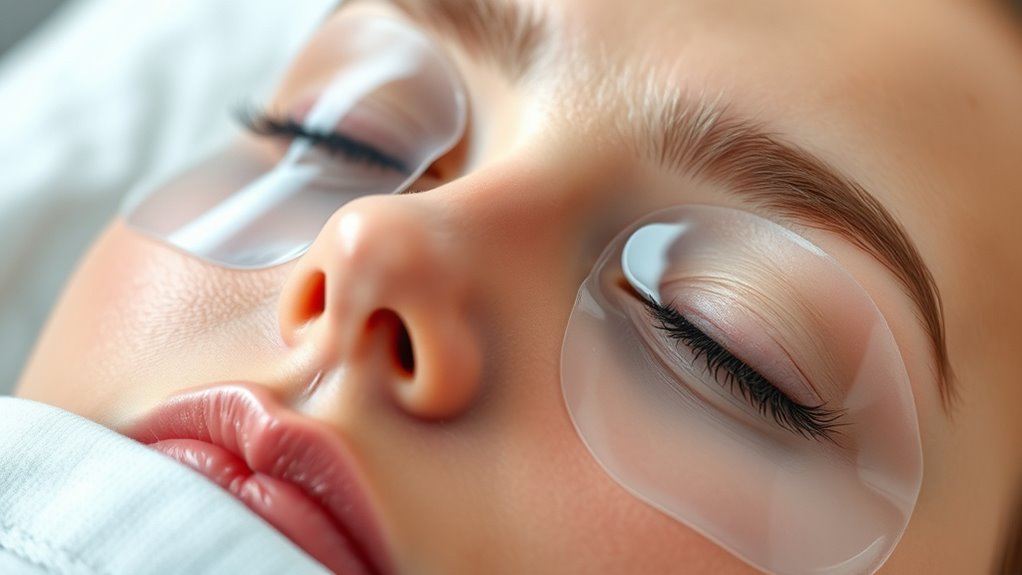
After your eye procedure, proper care is essential to guarantee healing and maintain ideal results. One of the most important steps is protecting your eyes from environmental irritants, which calls for diligent eye protection. During the initial recovery phase, you should avoid exposure to dust, wind, bright lights, and screens that can cause strain or discomfort. Wearing sunglasses or protective shields as recommended by your doctor helps shield your eyes from unnecessary irritation and minimizes the risk of infection. This added layer of protection is crucial, especially in the first few days when your eyes are most sensitive.
Protect your eyes from dust, wind, bright lights, and screens during recovery to ensure optimal healing.
In addition to physical eye protection, soothing treatments play a significant role in your recovery process. Applying cold compresses can help reduce swelling and ease discomfort, making you feel more comfortable and helping your eyes heal more efficiently. Be sure to follow your doctor’s instructions about how often and how long to apply these soothing treatments. Some doctors may recommend specific eye drops or ointments to keep your eyes moist and prevent dryness. These medicated solutions not only soothe but also support healing by reducing inflammation and preventing infection.
As your recovery progresses, patches might be appropriate, but only under specific circumstances. Many practitioners advise using eye patches immediately after surgery to shield the eyes from light and accidental rubbing, which could interfere with healing. Patches provide a physical barrier that protects the delicate tissues, especially during the first 24 to 48 hours when your eyes are most vulnerable. However, their use should be carefully monitored and limited to short periods unless your doctor recommends otherwise. Extended patch use can sometimes cause discomfort or dryness, so it’s best to follow your healthcare provider’s guidance.
When considering patches, it’s important to recognize that they are primarily a protective measure during the early stages of healing. They’re not meant for long-term use but serve as a temporary shield to minimize environmental exposure and accidental contact. After the initial phase, most patients are encouraged to remove patches to allow natural eye movements and breathing, which are vital for comfort and healing. Your doctor might suggest using soothing treatments alongside patches to enhance comfort, reduce dryness, and support tissue recovery. Moreover, understanding the importance of eye protection can help you better adhere to your post-procedure care plan.
Frequently Asked Questions
Can I Wear Eye Patches Overnight After the Procedure?
You can wear eye patches overnight after the procedure if your doctor recommends it. Patch application during overnight usage helps safeguard the eye, prevent rubbing, and promote healing. Make sure to follow your healthcare provider’s instructions on patch duration and removal. If you experience discomfort or irritation, remove the patch and consult your doctor. Proper overnight patch application can support recovery and ensure the best results from your eye procedure.
Are There Specific Patch Brands Recommended for Sensitive Skin?
If you have sensitive skin, look for patch brand recommendations that specify they’re suitable for delicate skin types. Brands like Biocell, Cosrx, and La Roche-Posay offer sensitive skin patches designed to minimize irritation and provide gentle healing. Always check ingredients and opt for hypoallergenic, fragrance-free options. Before using any patch, do a patch test to make sure it doesn’t cause a reaction, especially if your skin is prone to sensitivity.
How Often Should I Replace Eye Patches During Recovery?
Your eye patches are your skin’s best friends during recovery, so replace them every 15-20 minutes or as advised by your practitioner. Follow patch longevity guidelines closely, since leaving patches on too long can cause irritation or reduce effectiveness. Always listen to your skin’s signals—if you notice redness or discomfort, swap out the patch sooner. Staying proactive ensures ideal healing and keeps your skin happy and healthy.
Do Eye Patches Prevent Bruising or Swelling?
Eye patches don’t directly prevent bruising or swelling, but they help with bruising prevention and swelling control by providing gentle support and reducing movement around the eye area. Wearing patches as recommended can minimize irritation, protect the area, and promote healing. For best results, follow your doctor’s advice on patch use, and combine it with other care measures to effectively manage bruising and swelling during recovery.
Can I Wear Makeup Over Eye Patches Post-Procedure?
Don’t put all your eggs in one basket—so, avoid applying makeup over eye patches post-procedure. You should wait until after patch removal and your doctor’s approval to make sure healing isn’t disrupted. Makeup application over patches can cause irritation or infection and compromise results. Be patient, follow your provider’s instructions, and give your skin time to recover fully before reintroducing makeup.
Conclusion
Remember, knowing when to use patches after your eye procedure helps you heal faster and avoid complications. Follow your doctor’s instructions carefully—don’t be a square like a medieval knight! Patches can be helpful immediately after, but only when recommended. Trust your healthcare provider’s advice, and don’t rush the process. With patience and proper care, you’ll be back to your sparkling self in no time, as radiant as a Renaissance portrait.