When choosing between hydrogel and biocellulose eye patches, consider their eco-friendliness and manufacturing impact. Hydrogel patches use synthetic or semi-synthetic polymers, which can be less sustainable but are versatile in delivery. Biocellulose is a natural, biodegradable fiber produced via bacterial fermentation, making it more eco-friendly and sustainable. If you want to learn more about their environmental benefits and which might suit your eco-conscious routines, keep exploring these materials further.
Key Takeaways
- Biocellulose eye patches are natural, biodegradable, and derived from bacterial fermentation, making them more eco-friendly than synthetic hydrogel patches.
- Hydrogel patches are made from synthetic or semi-synthetic polymers that can offer versatile formulations for targeted skincare.
- Biocellulose production consumes less energy and uses renewable raw materials, reducing environmental impact compared to hydrogel manufacturing.
- Both materials can be formulated sustainably, but biocellulose inherently aligns with eco-conscious and biodegradable skincare preferences.
- Consumers seeking natural, eco-friendly options often prefer biocellulose, while hydrogels offer customizable delivery and active ingredient options.
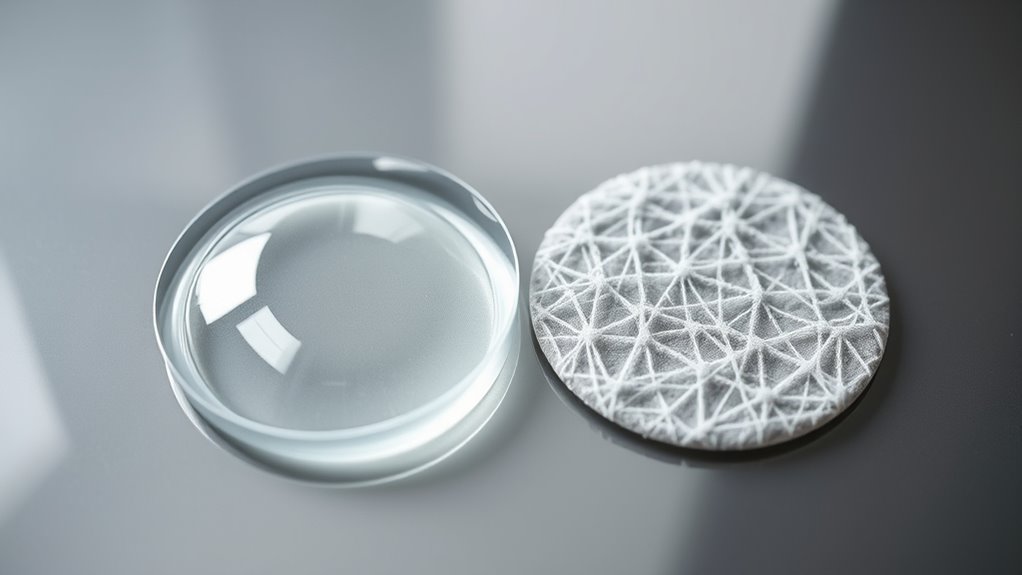
When it comes to eye patches, hydrogel and biocellulose are two popular options, each offering unique benefits for skin care and rejuvenation. If you’re conscious of eco-friendly materials, you’ll appreciate how both options are developed with sustainability in mind, but they differ markedly in their manufacturing processes. Hydrogel patches are typically made from polymers that absorb water, creating a gel-like consistency. These materials are often derived from synthetic or semi-synthetic sources, but many brands are now focusing on eco-friendly alternatives that reduce environmental impact. The manufacturing process for hydrogel patches involves dissolving the polymers, casting them into thin sheets, and then cooling or curing to set the gel. This process can be energy-efficient, especially when manufacturers opt for renewable energy sources or biodegradable polymers. In contrast, biocellulose patches are produced through a biological fermentation process involving bacteria such as *Gluconacetobacter xylinus*. This process transforms natural sugars into a highly pure, breathable, and biodegradable fiber. Because biocellulose is a natural material, its production is inherently eco-friendly, especially when sourced from sustainable raw materials. The manufacturing process for biocellulose involves cultivating the bacteria in controlled environments, harvesting the cellulose, and then processing it into thin, flexible sheets. This method typically consumes less energy compared to synthetic polymer production, making biocellulose a more environmentally sustainable choice. From an eco-conscious standpoint, biocellulose offers the advantage of being biodegradable and derived from renewable sources, reducing waste and pollution. Hydrogel patches, while sometimes made from synthetic materials, are increasingly incorporating biodegradable options to lessen their environmental footprint. Both materials can be produced with sustainability in mind, but biocellulose’s natural origins give it a considerable edge in eco-friendliness. When choosing between the two, your concern for sustainability and environmental impact can guide your decision. Hydrogel patches might appeal if you prefer a product with versatile formulations and targeted active delivery, especially when made with eco-friendly polymers. On the other hand, biocellulose patches are ideal if you want a natural, biodegradable material that aligns with eco-conscious values. In the end, understanding the manufacturing processes and materials involved helps you make a more informed choice, ensuring your skincare routine supports both your skin and the planet. Additionally, advancements in sustainable production methods continue to improve the overall eco-friendliness of both materials.

PEACE OUT Retinol Eye Lift Patches, 360° Biocellulose Mask with Encapsulated Retinol, Peptides, & Hyaluronic Acid for Visibly Improved Fine Lines, Wrinkles (5 Pairs)
LIFT, FIRM, & REFRESH ENTIRE EYE AREA: 5 pairs of biocellulose eye patches designed to target the entire…
As an affiliate, we earn on qualifying purchases.
As an affiliate, we earn on qualifying purchases.
Frequently Asked Questions
Are Hydrogel and Biocellulose Eye Patches Suitable for Sensitive Skin?
Yes, hydrogel and biocellulose eye patches are generally suitable for sensitive skin. They reduce skin irritation thanks to their gentle, soothing materials. Hydrogel patches stay moist and comfortable, while biocellulose offers excellent material durability without causing irritation. Both options are designed to be gentle, making them good choices for sensitive skin, but it’s always wise to do a patch test first to guarantee no adverse reactions occur.
How Long Should I Wear Each Type of Eye Patch?
Think of your eye patches as gentle whispers to your skin—don’t overstay your welcome. For hydrogel and biocellulose patches, follow the duration guidelines on the packaging, typically about 15-20 minutes. Keep to the recommended patch frequency to avoid irritation. Removing them too soon might cut short their magic, while wearing them too long can cause discomfort. Listen to your skin’s rhythm for the best results.
Can These Patches Be Used Daily or Only Occasionally?
You can generally use hydrogel or biocellulose eye patches daily, but it’s best to follow product instructions and consult a healthcare professional. Regular use can improve hydration and reduce puffiness, but overuse might lead to long-term effects like skin irritation. Pay attention to your skin’s response, and avoid daily usage if you notice any discomfort. Moderation and proper care guarantee safe, effective results over time.
Do Hydrogel and Biocellulose Eye Patches Have Different Shelf Lives?
These eye patches are like treasure chests with different treasures—hydrogel patches usually last about six months, while biocellulose patches often stay fresh for around eight to twelve months. For ideal shelf life comparison, follow storage recommendations carefully: keep them in cool, dry places away from sunlight. Proper storage ensures they stay effective longer, so you get maximum benefit from each use.
Are There Any Known Allergens Associated With Either Material?
You might wonder if hydrogel or biocellulose eye patches cause allergenic concerns. While both materials are generally safe, some individuals could have immune responses to certain ingredients or manufacturing residues. Hydrogel patches may contain preservatives that trigger sensitivities, whereas biocellulose is less likely to cause allergic reactions due to its natural origin. Always check product labels and patch test before use to minimize potential allergic concerns.
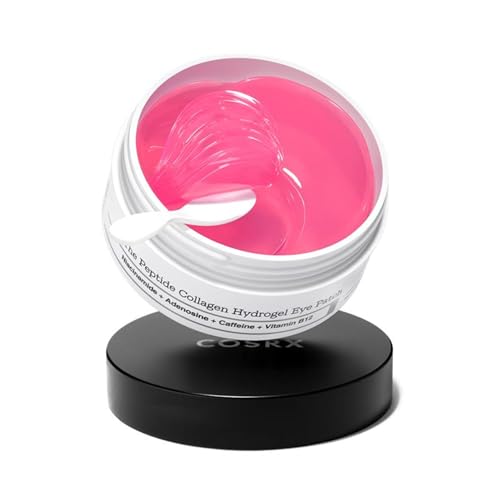
COSRX Pink Peptides Collagen Hydrogel Eye Patch for Puffy Eyes and Dark Circles, Under Eye Mask, 60 Under Eye Patches, Korean Skin Care
Say goodbye to puffiness and hello to youthful eyes!: The Peptide Collagen Eye Patches, enriched with 4 powerful…
As an affiliate, we earn on qualifying purchases.
As an affiliate, we earn on qualifying purchases.
Conclusion
Whether you choose hydrogel or biocellulose eye patches, consider comfort, moisture, and healing benefits. Both materials hydrate, soothe, and support recovery, but each offers unique advantages. Hydrogel provides cooling relief and flexibility, while biocellulose offers natural strength and excellent absorption. By understanding these similarities and differences, you can make an informed choice. Ultimately, your ideal eye patch hydrates, heals, and refreshes—so pick what best suits your needs, and enjoy healthier, revitalized eyes.

DRMTLGY Brightening Eye Masks – Biodegradable Hydrogel Under Eye Patches with Caffeine, Peptides, Hyaluronic Acid & Niacinamide – Depuff, Hydrate & Smooth Dark Circles – 60 Count
Instantly Revives Tired Eyes – Biodegradable hydrogel eye masks help depuff, brighten, and deeply hydrate the delicate under-eye…
As an affiliate, we earn on qualifying purchases.
As an affiliate, we earn on qualifying purchases.

MAREE Hydrating Under Eye Patches for Puffy Eyes and Dark Circles – Marine Collagen & Caffeine Eye Patches – Brightening Eye Patche with Niacinamide – Depuffing Eye Mask for Dark Circles and Puffiness
Hydrating Caffeine Under Eye Patches – Refresh and moisturize with collagen & caffeine. Inspired by korean skincare, these…
As an affiliate, we earn on qualifying purchases.
As an affiliate, we earn on qualifying purchases.