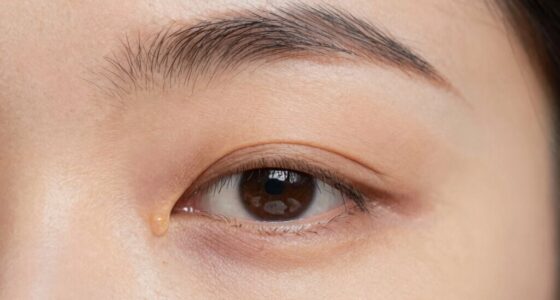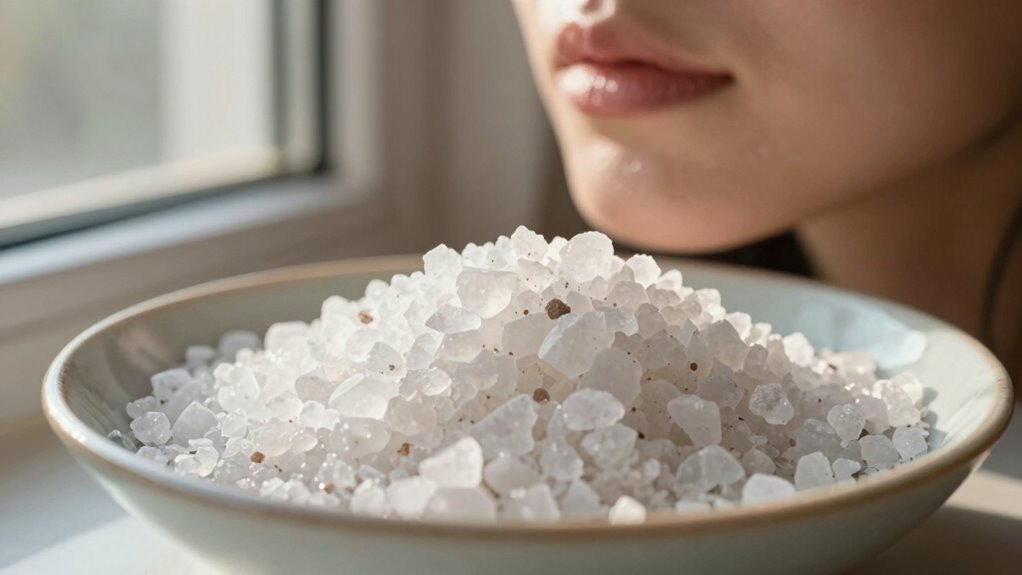

Excess salt causes your body to hold onto water, which leads to morning puffiness and swelling around your face and eyes. When you eat too much sodium, it disrupts the balance of minerals like potassium and magnesium that regulate hydration. This imbalance makes tissues expand with water, even if you’re dehydrated. If you want to understand how managing salt and minerals can help reduce this puffiness, there’s more to uncover that could make a difference.

Get beauty and skincare favorites delivered free with Prime
- Fast, free delivery on millions of items
- Prime Video, Amazon Music and more included
- Member-only deals all year
Key Takeaways
- Excess salt causes water retention, leading to swelling and puffiness, especially around the eyes in the morning.
- High salt intake disrupts mineral balance, impairing the body’s ability to regulate hydration effectively.
- Salt-induced fluid imbalance can cause cellular dehydration, contributing to overall puffiness despite water retention.
- Maintaining proper mineral intake, like potassium, helps counteract salt’s effects and reduces morning swelling.
- Reducing processed foods and controlling salt intake supports better water regulation and minimizes puffiness.

Many people wake up with puffy eyes and swollen faces, and often, salt intake plays a significant role in this morning discomfort. When you consume too much salt, it disrupts your hydration balance, leading your body to hold onto extra water. This water retention causes swelling, especially around your eyes and face, making you look and feel puffy in the morning. The key to understanding this process lies in recognizing how salt affects mineral imbalances within your body.
High salt intake can cause morning puffiness by disrupting hydration and mineral balance in your body.
Salt, primarily sodium, works closely with other minerals like potassium and magnesium to regulate fluid levels inside your cells and tissues. When you eat a diet high in salt, your body responds by increasing water retention to dilute the excess sodium. This imbalance in minerals causes your tissues to expand with water, resulting in the puffiness you see in the mirror. Your kidneys try to manage this by filtering out the excess sodium, but if you consume too much salt regularly, your system struggles to restore equilibrium overnight. Proper mineral balance is crucial for preventing this swelling. An imbalance can also impair your body’s natural detoxification processes, making it harder to eliminate excess fluids efficiently. Incorporating minerals like potassium into your diet can help support this balance and improve your body’s ability to regulate water.
You might not realize it, but your hydration balance is directly impacted by your salt intake. When your body retains water due to high salt consumption, it can lead to dehydration at the cellular level. Paradoxically, even though you’re swollen and bloated, your cells may be lacking adequate water. This imbalance makes it harder for your body to eliminate waste and toxins, further contributing to morning puffiness. Drinking plenty of water during the day can help counteract some of this, but if your diet is consistently high in salt, the problem persists. Maintaining a proper electrolyte balance is essential for overall hydration and minimizing swelling.
Mineral imbalances are at the core of this issue. When sodium levels are too high, they disturb the natural balance of other essential minerals like potassium, which helps counteract sodium’s effects. A diet low in potassium-rich foods such as bananas, spinach, and sweet potatoes can exacerbate puffiness because your body lacks the minerals needed to offset sodium’s water-retaining effects. Conversely, increasing your intake of these minerals supports better hydration and reduces swelling. mineral imbalances can be managed through mindful dietary choices to promote better fluid regulation. Incorporating potassium-rich foods can help restore the mineral balance necessary for effective water regulation.
Additionally, understanding how mineral imbalances influence water retention can empower you to make better dietary choices. In short, managing your salt intake is vital if you want to prevent morning puffiness. Focus on maintaining a proper hydration balance by drinking enough water and balancing your minerals. Cutting back on processed foods, which are often loaded with hidden salt, can make a significant difference. When your mineral levels are in harmony, your body can better regulate water retention, helping you wake up feeling less swollen and more refreshed.
natural mineral supplements for hydration
As an affiliate, we earn on qualifying purchases.
As an affiliate, we earn on qualifying purchases.
Frequently Asked Questions
Does Salt Intake Affect Puffiness Differently for Men and Women?
Yes, salt intake can affect puffiness differently for men and women. Hormonal fluctuations in women, especially during certain phases like PMS or pregnancy, can make them more sensitive to salt’s effects. Men might experience less pronounced swelling due to different hormonal levels. Additionally, genetic predispositions influence how your body retains water, affecting puffiness. So, individual responses vary based on hormonal and genetic factors, impacting how salt impacts morning puffiness.
Can Reducing Salt Improve Puffiness Overnight?
Yes, reducing salt can improve puffiness overnight. When you cut back on salt, your body retains less water, reducing swelling and puffiness around your eyes. Pair this with good dietary hydration and healthier lifestyle habits, like sleeping with your head elevated, to enhance results. These changes help your body balance fluids better, decreasing morning puffiness and helping you wake up looking more refreshed and alert.
Are There Specific Types of Salt That Cause Less Puffiness?
Yes, some salts cause less puffiness than others. Natural alternatives like sea salt or Himalayan pink salt have a different mineral composition that can be gentler on your skin, reducing water retention and swelling. These salts contain more trace minerals, which may help balance your body’s fluid levels. Choosing these options over refined table salt could help minimize morning puffiness, especially if you’re sensitive to salt’s effects.
How Quickly Does Salt Reduction Impact Morning Puffiness?
Ever wonder how quickly reducing salt impacts your morning puffiness? When you cut back, salt absorption decreases, helping your body restore hydration balance faster. You might notice less puffiness within a day or two, as excess water retention diminishes. Staying consistent with your salt intake helps your body adjust, so your face looks less swollen in the mornings. Are you ready to see those subtle but noticeable changes?
Is Salt Intake Related to Other Skin Issues Besides Puffiness?
Yes, salt intake affects more than just puffiness. High dietary minerals like salt can lead to dehydration, reducing your skin hydration levels and making your skin look dull or flaky. Excess salt may also trigger skin issues such as acne or irritation by increasing inflammation. To maintain healthy skin, watch your salt consumption, stay well-hydrated, and choose foods rich in beneficial minerals that support skin health.
Conclusion
By cutting back on salt, you might notice your mornings feel less swollen and more refreshed. Imagine waking up after a week of reducing your salt intake—your face looks less puffy, and your eyes are brighter. It’s like giving your body a gentle reset. Think of it as turning down the volume on water retention, helping you start each day feeling lighter and more energized. Small changes can make a big difference in your morning glow.
Halloween Picks
halloween
As an affiliate, we earn on qualifying purchases.