During allergy season, you need to adjust your eye care routine because allergens like pollen, dust, and mold can cling to your lenses and worsen irritation or risk infections. Use effective, preservative-free disinfectants, avoid rinsing with tap water, and reduce contact lens wear if symptoms increase. Keep windows closed, wear sunglasses outdoors, and consider switching to glasses temporarily. Continuing these practices helps protect your eyes—learn more tips to keep your eyes healthy during allergy season.
Listen free for 30 days with Audible
Thousands of audiobooks and originals — cancel anytime.
As an affiliate, we earn on qualifying purchases.
Key Takeaways
- Allergens like pollen and dust cling to lenses, increasing irritation and infection risk, requiring more diligent hygiene practices.
- Reduced contact lens wear helps prevent allergen buildup and minimizes eye irritation during allergy season.
- Using antihistamine or allergy-specific eye drops can alleviate symptoms caused by seasonal allergens.
- Keeping windows closed and wearing sunglasses outdoors limits allergen entry and protects eyes from irritants.
- Incorporating air purifiers and maintaining proper eye hygiene mitigates allergen exposure and reduces discomfort.

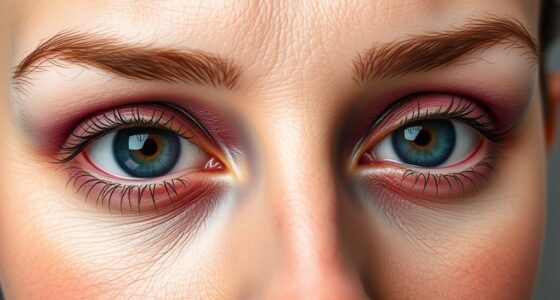
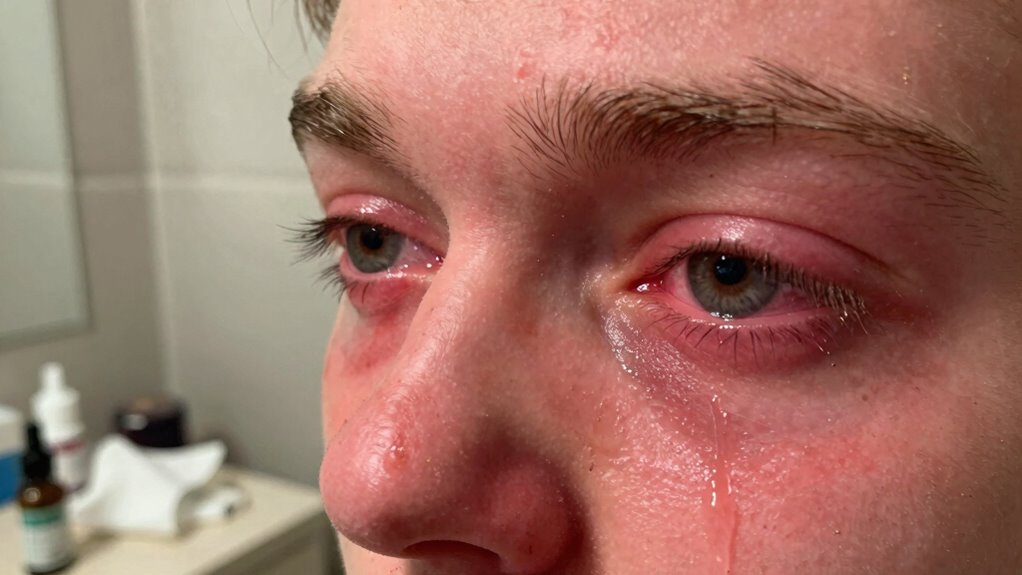
As allergy season ramps up, your eyes can become irritated, itchy, and red, making daily comfort a challenge. During this time, your usual eye care routine needs to adapt to prevent discomfort and protect your vision. One of the most important changes involves contact lens hygiene. Allergens like pollen, dust, and mold can cling to your lenses, increasing irritation and the risk of infection. To combat this, you should switch to a more rigorous cleaning routine. Use an effective, multi-purpose solution that thoroughly disinfects your lenses and avoid rinsing them with tap water, which can introduce bacteria. Consider reducing the frequency of wearing contact lenses altogether if symptoms worsen, and switch to glasses temporarily. This gives your eyes a break from potential allergens trapped on lenses and reduces the chance of inflammation. Being aware of airborne allergens and their impact can help you better understand why these precautions are necessary. Additionally, paying attention to allergen levels in your area can help you plan outdoor activities more safely. Incorporating air purification devices into your home can further reduce airborne irritants and create a more comfortable environment for your eyes.
Switch to thorough lens cleaning and consider glasses to reduce allergy irritation during peak season.
Equally critical during allergy season is your choice of eye drops. Many over-the-counter options can help soothe irritation, but not all are suitable for allergy-related symptoms. Look for eye drops labeled as antihistamine or allergy relief, which help reduce itching and redness. Avoid drops that contain vasoconstrictors for extended use, as they can cause rebound redness or dryness. Always read labels carefully and select eye drops that are preservative-free to minimize the risk of further irritation. If you’re unsure which drops are best, consult your eye care professional to get recommendations tailored to your needs.
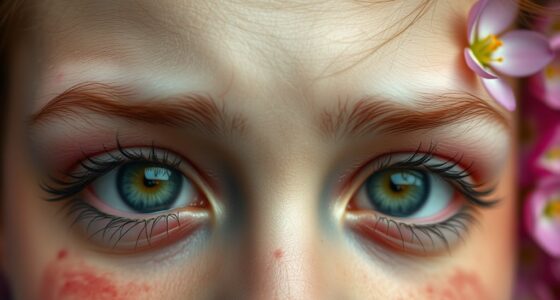
In addition to adjusting contact lens hygiene and eye drop selection, you should be mindful of how you handle your eyes throughout the day. Avoid rubbing your eyes, which can spread allergens and worsen irritation. Instead, use cool compresses to alleviate itchiness and inflammation. Keep windows closed during peak pollen times and use air purifiers to reduce airborne allergens inside your home. Wearing sunglasses outdoors can also provide a barrier against pollen and other irritants.
Finally, maintaining a consistent eye care routine is essential, but during allergy season, it becomes even more crucial. Regularly wash your hands before touching your eyes or handling contact lenses, and replace your lenses as recommended by your eye care provider. Staying vigilant for signs of infection or worsening symptoms can help prevent complications. Don’t hesitate to seek professional advice if your eyes remain persistently irritated or if your vision becomes affected. Adapting your routine during allergy season ensures you protect your eyes and maintain comfort despite the seasonal challenges.
preservative-free contact lens disinfectant
As an affiliate, we earn on qualifying purchases.
As an affiliate, we earn on qualifying purchases.
Frequently Asked Questions
Can Allergy Eye Drops Cause Long-Term Vision Problems?
Allergy eye drops generally don’t cause long-term damage if used correctly, but overuse can lead to contact dependency, making your eyes reliant on drops. This might mask underlying issues and cause you to use them more frequently. Always follow your eye care professional’s advice and avoid excessive use to prevent potential long-term damage. If you’re concerned, consult your eye doctor for personalized guidance and to make sure your eye health stays protected.
Are There Specific Foods That Help Reduce Eye Allergy Symptoms?
You can incorporate dietary strategies to help reduce eye allergy symptoms by focusing on food recommendations rich in antihistamines and antioxidants. Foods like fresh fruits, leafy greens, and omega-3 fatty acids from fish can boost your immune response and decrease inflammation. Including vitamin C-rich options like citrus fruits also helps. These dietary strategies support eye health and lessen allergy discomfort, making your eye care routine more effective during allergy season.
How Often Should I Replace My Contact Lenses During Allergy Season?
During allergy season, you should replace your contact lenses more frequently—ideally, follow your lens manufacturer’s guidelines, usually daily or every two weeks. This helps maintain proper contact hygiene, reducing irritation and the risk of eye infections caused by allergens. If you’re using daily lenses, discard them every evening. For extended wear lenses, consult your eye care professional to determine the safest replacement schedule, ensuring your eyes stay healthy during allergy flare-ups.
Do Natural Remedies Work Better Than Medicated Eye Drops?
Like a knight choosing between sword and shield, you might wonder if herbal remedies or medicated eye drops are better. Herbal remedies and home treatments can offer gentle relief, but they’re not always more effective than medicated eye drops. Medications are specifically designed to target allergy symptoms, providing faster relief. So, consider your symptoms’ severity and consult your eye care professional to choose the best treatment for your needs.
Is It Safe to Wear Contact Lenses Outdoors During High Pollen Days?
It’s generally safe to wear contact lenses outdoors during high pollen days if you prioritize pollen protection and maintain proper contact hygiene. Make sure to wash your hands thoroughly before handling your lenses, and consider using allergy-specific eye drops to reduce irritation. Avoid touching or blinking excessively, and remove your contacts if your eyes become red or itchy. These steps help prevent pollen buildup and keep your eyes comfortable and healthy.
Conclusion
Just like Odysseus had to adapt his voyage to face new challenges, you need to change your eye care routine during allergy season. By staying vigilant and protecting your eyes, you’ll navigate these seasonal storms with clearer vision and less discomfort. Remember, even the sharpest eagle adjusts its flight plan when the winds shift. Embrace these changes, and your eyes will thank you for the safe passage through allergy season’s unpredictable skies.
Fall Picks
fall essentials
As an affiliate, we earn on qualifying purchases.