
TL;DR

Get beauty and skincare favorites delivered free with Prime
- Fast, free delivery on millions of items
- Prime Video, Amazon Music and more included
- Member-only deals all year
A Cosmetics Business report identifies four pressures reshaping beauty and wellness fulfilment: faster-moving global trends, more specialised product ranges, personalised post-purchase experiences and packaging requirements. The report describes operational challenges and potential responses, but provides no industry-wide data or named company results measuring their scale.
A Cosmetics Business report says beauty and wellness brands face changing fulfilment demands as trends spread across borders, product ranges grow more specialised and shoppers expect faster delivery and more personalised service. The report identifies stock visibility, order accuracy, packaging and post-purchase support as operational issues for brands and retailers, though it does not provide industry-wide figures on their scale.
The report links the faster movement of trends across markets to more volatile demand. It cites the established presence of K-beauty in Western markets, growing attention to J-beauty and the spread of US trends through creators, celebrity brands and social media. Viral attention, it says, can quickly raise demand for a product, making forecasts and stock allocation harder. Brands may need to respond to a surge in one product while distributing a new launch across several markets.
More specialised ranges create another operational challenge. Orders may contain small, high-value products, similar-looking packaging or formulations with distinct requirements. Skincare products with active ingredients can require batch and expiry tracking, while devices may need different handling. The report says warehouse management systems can support stock placement and tracking, but speed has to be balanced with accurate picking: sending the wrong item can lead to returns and added fulfilment costs.
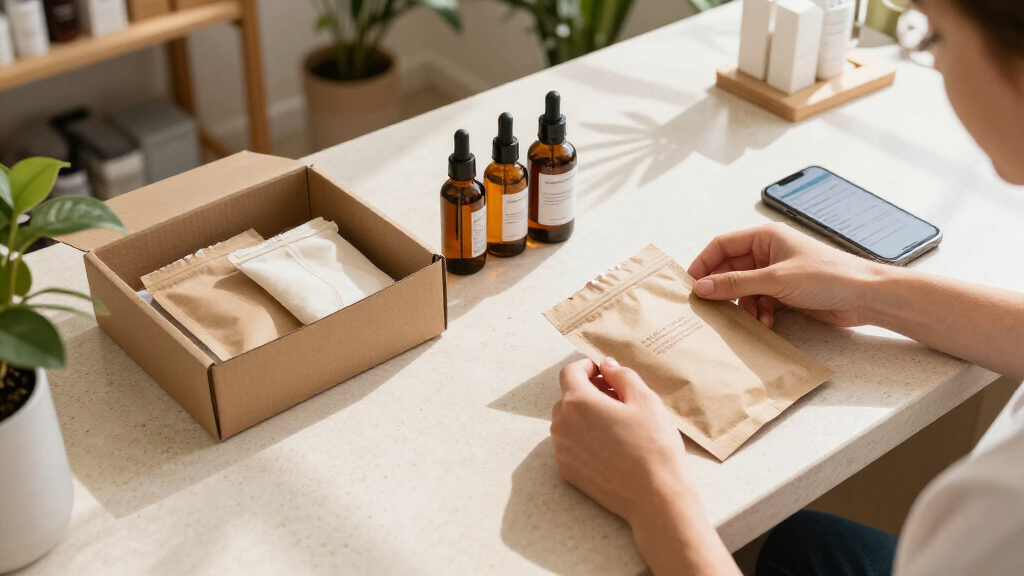
Fulfilment also extends beyond dispatch. The report describes inserts, QR codes and tailored packaging as ways to provide product instructions, routine information or complementary recommendations after purchase. These options must be handled without slowing orders or increasing packing errors. Packaging presents a related trade-off: products such as glass skincare containers and electronic devices need protection, while brands face pressure to reduce unnecessary material. The report points to rightsizing packaging as one approach, particularly for mixed orders.
Operational Strain Behind Beauty Trends
The report’s central point is that marketing momentum can quickly become a logistics problem. A product gaining attention online may need more stock in particular markets, while a broader range increases the chance of picking mistakes and makes storage and handling more demanding. If fulfilment cannot keep pace, customers may receive orders late or get the wrong product, and brands may incur extra costs through returns and reprocessing.
These pressures also affect the experience customers have after checkout. Carefully selected information or packaging can support a brand’s relationship with customers, but only if those additions fit reliably into warehouse processes. Similarly, packaging choices must protect products while limiting excess material. Fulfilment is therefore not just a delivery function: it shapes how well brands respond to demand and deliver the experience they promise.
For readers, the development matters because operational choices influence availability, delivery and packaging—the parts of a beauty purchase customers encounter directly. The report outlines possible responses, but does not establish that all brands face the same challenges or that any single solution will work across the category.
personalized skincare product packaging
As an affiliate, we earn on qualifying purchases.
As an affiliate, we earn on qualifying purchases.
Why Beauty Orders Are Changing
The article was published ahead of Beauty Bulb Live London on 7 October, where brands, retailers and distributors were expected to discuss developments in beauty and wellness. Its focus is the operational impact of those developments rather than a product launch, regulatory decision or newly released dataset. The source does not specify the event year.
Its examples bring together several changes described in the report: trends crossing markets more quickly, products becoming more targeted, social media influencing demand, and customers seeking quicker delivery and more tailored experiences. It also notes that UK Extended Producer Responsibility requirements and packaging regulations in Europe add pressure to review packaging. The report does not detail particular rules or compliance deadlines.
Scale of the Fulfilment Pressures
The source offers an industry-level discussion, not a survey or analysis with quantified results. It gives no figures for delivery expectations, viral-demand frequency, picking errors, return rates, packaging use or the cost of adapting warehouse operations. It also does not name brands or fulfilment providers that have adopted the approaches described.
It is therefore unclear how widely these pressures are affecting the sector, which product categories face the greatest strain, or how much real-time stock systems, automation and packaging changes improve outcomes. The article also does not specify the applicable packaging rules or how they differ by market. Its recommendations should be read as operational considerations, not evidence that a particular technology or practice will deliver a measured benefit.
How Brands May Adapt Operations
The report points to stock and order visibility, accurate picking, scalable personalisation and packaging reviews as areas brands can examine as products and demand change. It suggests that understanding which products are ordered together can help teams select packaging for mixed orders, while technology and staff oversight can help manage routine work and exceptions.
Beauty Bulb Live London, scheduled for 7 October, was identified as a forum for discussion among brands, retailers and distributors. The source does not report event outcomes or announce a formal industry plan. Further evidence—such as company disclosures, operational data or specific regulatory guidance—would be needed to show how businesses are responding and whether the approaches described are changing performance.
Key Questions
What trends are changing beauty and wellness fulfilment?
The report identifies global trend cycles, specialised product ranges, faster-delivery expectations, post-purchase personalisation and packaging pressures as factors changing fulfilment operations.
Why can viral beauty trends create fulfilment problems?
According to the report, attention from social media can increase demand for a product quickly. Brands may then need to adjust stock levels and distribution across products, sales channels or markets, while demand remains difficult to forecast.
How can fulfilment teams reduce picking mistakes?
The report says warehouse management systems can help with stock positioning and batch or expiry tracking. It also stresses that faster dispatch should not come at the expense of sending the correct product; it provides no quantified results for these measures.
What does personalisation mean after checkout?
Examples in the report include inserts, QR codes and tailored packaging that provide product guidance, routine information or suggestions for complementary products. These additions need to fit warehouse processes without creating delays or errors.
Does the report quantify the impact of these trends?
No. It describes operational pressures and possible responses but provides no industry-wide measurements of their frequency, cost or effect on delivery and customer outcomes.
Source: rss
Halloween Picks
halloween
As an affiliate, we earn on qualifying purchases.