TL;DR
A Glamour UK report gathers makeup artists’ advice on how blush placement can create different effects, including a natural flush, lifted-looking cheeks, and a sun-kissed finish. The report describes five techniques and offers guidance on blending, product formulas and tools; results depend on application and personal preference.
Glamour UK has published a makeup-artist guide to applying blush in five ways, explaining how placement and blending can change the appearance of a makeup look. The techniques range from colour on the apples of the cheeks to blush swept toward the temples and a broader, sun-kissed effect.
The report’s central point is that blush does not have a single standard placement. Makeup artists interviewed for the guide say that where colour is applied can influence whether the result looks like a soft everyday flush, a more dramatic frame around the face, or an all-over glow. The methods are presented as cosmetic options, not as rules that will produce identical results for everyone.
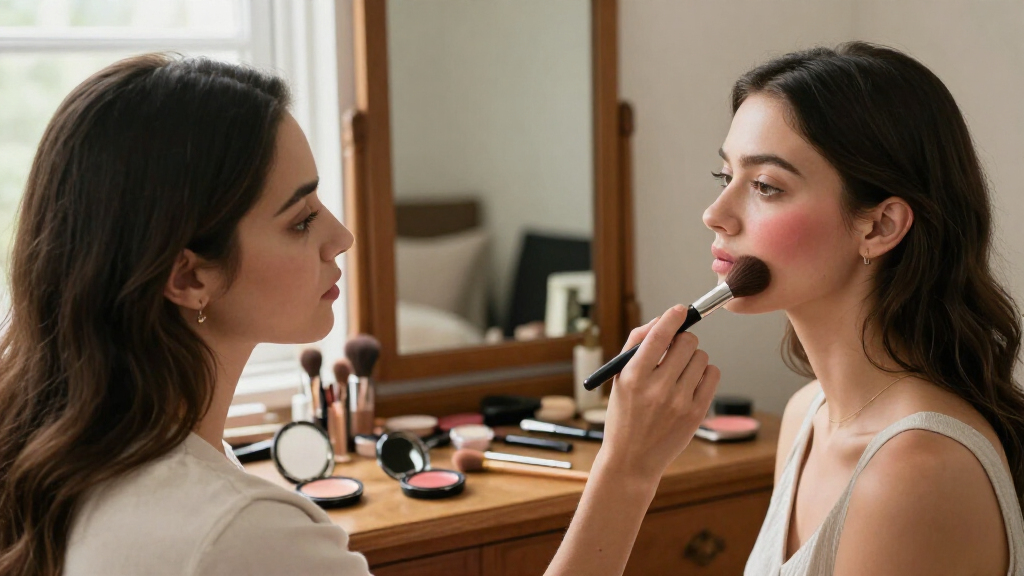
For a natural-looking approach, New York-based makeup artist Elisa Flowers recommends a small amount on the apples of the cheeks, blended in circular motions. She advises keeping the colour two finger-widths from the nose and two finger-widths from the bottom of the eye. The guide says cream or liquid products can work well for this placement because they blend into the skin; Flowers also describes them as suitable for drier skin types.
For a more dramatic effect, editorial makeup artist Ingeborg describes “draping”: placing blush at the temples and sweeping it down across the cheekbones to frame the face. Flowers suggests carrying colour from the top of the cheekbones toward the hairline, while New York makeup artist Joseph Carrillo recommends careful blending, sometimes using a deeper shade with a softer one around the edges. The report also outlines a sun-kissed technique, using blush over bronzer and adding a small amount across the bridge of the nose. Carissa Ferreri recommends layering powder blush over cream for longer wear.
Placement Changes the Makeup Effect
The advice gives readers practical alternatives to cheek-only application, helping them choose placement based on the finish they want rather than treating blush as a one-step product. The same colour can read differently when concentrated on the apples of the cheeks, extended toward the temples, or lightly carried across the nose.
The guide also makes blending a consistent theme. For a softer result, it recommends diffusing the edges; for a more sculptural effect, it describes layering shades and working them together. These are makeup techniques rather than guaranteed outcomes: skin, product, tools and individual face shape may affect the finished look.
As an affiliate, we earn on qualifying purchases.
Five Placements, Different Finishes
The source report organizes its advice around five ways to wear blush, including a natural cheek flush, draping and a sun-kissed application. It also points readers toward separate guidance on beginner application, brushes and tools, product formulas, common mistakes and making blush last. The supplied source excerpt gives detailed instructions for the first three techniques but does not include the full descriptions of all five.
Rather than presenting one method as the professional standard, the artists quoted in the report connect placement to the intended look. The traditional apples-of-the-cheeks application is described as simple and natural. Draping extends colour outward and upward around the temples and cheekbones. For a sun-kissed finish, the guide suggests using bronzer as a base and placing only a little blush on the nose, with optional touches on areas such as the eyelids, forehead and chin.
“You can create a healthy, natural-looking glow by swirling a small dab of colour onto the apples of the cheeks and buffing it out in circular motions.”
— Elisa Flowers, New York-based makeup artist, as quoted by Glamour UK
What the Excerpt Leaves Out
The supplied source material does not provide the complete explanations for all five techniques, despite introducing the guide as covering five placements. It also does not give a publication date, a full product-testing methodology, or evidence comparing how well the different techniques work across skin types and face shapes.
Claims about a look appearing natural, brightening the face or lasting longer are attributed makeup advice, not independently measured results in the material provided. The exact product quantities, brush recommendations for every method and complete guidance on wearing time are not specified in the excerpt.
Choosing a Technique to Try
Readers can use the guide’s advice as a starting point: try a small amount on the apples of the cheeks for a restrained flush, or blend colour toward the temples for a more framed effect. Those experimenting with the sun-kissed placement can begin with a light application, then add product gradually rather than applying a strong stripe at once.
The source does not announce a follow-up or further reporting. The practical next step is to select a formula and tool that suit the desired finish, blend the edges and adjust the placement to personal preference. The excerpt also does not supply full instructions for the remaining methods, so those details cannot be confirmed here.
Key Questions
Where should I apply blush for a natural-looking flush?
Glamour UK’s report quotes makeup artist Elisa Flowers recommending a small amount on the apples of the cheeks, blended in circular motions. She suggests keeping it two finger-widths from the nose and two finger-widths from the bottom of the eye.
What does blush draping mean?
Draping places blush around the temples and cheekbones, sweeping the colour outward or downward to frame the face. The artists quoted in the report stress blending, particularly when using more than one shade.
How does the report suggest creating a sun-kissed look?
The guide describes applying blush over bronzer and adding a small amount across the bridge of the nose. It also mentions that colour on the eyelids, forehead or chin can contribute to an all-over effect.
Can cream and powder blush be layered?
Yes. Makeup artist Carissa Ferreri recommends sweeping powder blush over cream for more staying power. The source excerpt does not specify how long that combination lasts.
Source: rss