
TL;DR

Get beauty and skincare favorites delivered free with Prime
- Fast, free delivery on millions of items
- Prime Video, Amazon Music and more included
- Member-only deals all year
Dermaself has developed a platform for testing laboratories to collect and measure skin photos from volunteers taking part in studies remotely. The company says its AI can assess more than 60 visible skin parameters, while laboratories remain responsible for study protocols, expert review and conclusions. Study results and the platform’s performance in real-world trials have not been independently detailed in the source material.
Milan-based beauty technology company Dermaself has developed a version of its AI skin-analysis platform for remote cosmetic studies, allowing testing laboratories to collect and compare volunteers’ skin photos taken at home. The move could let labs run studies without requiring participants to travel to a testing site, while the labs retain responsibility for study design, expert evaluation and final conclusions.
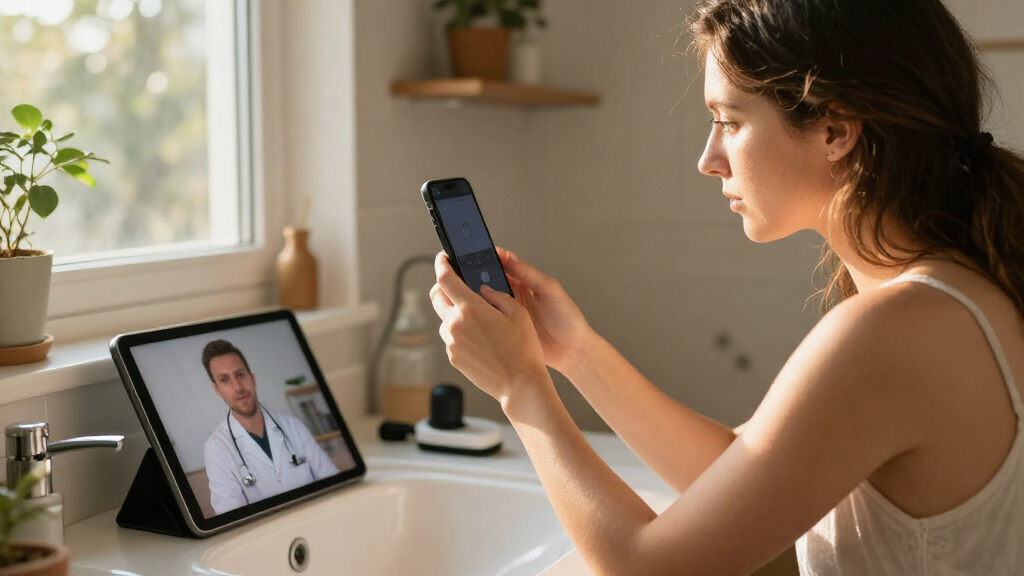
Dermaself’s platform analyses selfies for more than 60 visible skin parameters and can compare measurements taken at different study time points. Under a laboratory’s protocol, volunteers take a guided baseline photo and repeat the process at set checkpoints, such as two, four and eight weeks. The system compares each image with that participant’s baseline and produces results for individuals and the wider study group.
The company says study setup can take five days, and that a remote study can include as many as 10,000 volunteers. Those figures describe Dermaself’s stated platform capabilities; the source material does not identify a completed study using a 10,000-person cohort or provide independent evidence of typical setup times.
Dermaself says its AI applies the same measurement criteria across images, reducing reliance on manual scoring for repetitive comparisons. It reports a repeatability score of 0.92–0.93 on repeated measurements of the same skin. The source does not specify the test method or explain how that score should be interpreted, so it cannot by itself establish how the system performs across different devices, settings or study populations.
Remote Testing Without Site Visits
Remote capture could change how cosmetic efficacy studies recruit participants and gather follow-up measurements. Volunteers may take part without travelling to a site at each checkpoint, and labs could potentially recruit beyond the area around a facility. If the approach works reliably, this could make larger or longer studies more practical and capture product use in participants’ everyday environments.
Consistent image scoring may also help laboratories compare measurements across people and time points. But the platform is a measurement tool, not a substitute for a study’s scientific oversight: the laboratory still sets the protocol, evaluates findings and writes the report. Whether results support a particular product claim remains for the laboratory and brand’s regulatory team to determine.
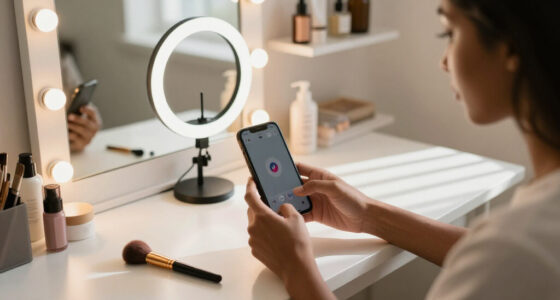
smartphone tripod with ring light for skincare photos
As an affiliate, we earn on qualifying purchases.
As an affiliate, we earn on qualifying purchases.
From Beauty Advice to Study Measurement
Dermaself already offers AI skin analysis for brand and retailer websites, stores and events. Its consumer-facing service uses selfie analysis to recommend routines based on products in a brand’s catalogue, including ingredient information. The company says the same underlying AI is used for the new study platform, where the task is to measure changes rather than recommend products.
Dermaself attributes the scientific basis of its skin taxonomy to Derming, an independent research institute in Monza. According to the source report, Derming’s taxonomy was validated using more than 100,000 clinical images reviewed by board-certified dermatologists. That background is distinct from evidence about the performance of the remote study service itself; the source does not describe a published validation study of the full remote workflow.
In the proposed arrangement, a brand can continue working with its existing testing laboratory. Dermaself supplies the capture and measurement platform, while the lab manages volunteers, study design and reporting. The company also says its patent-pending image processing corrects for lighting and colour variation, and that its patent-pending 3D anonymisation removes facial biometric identity while preserving skin data for analysis.
Evidence and Privacy Details
The source material does not name a testing laboratory using the platform, identify a completed remote study, or report results from a trial. It also does not provide the protocol or benchmark behind the stated 0.92–0.93 repeatability score, or clarify how performance varies with phone models, lighting and participant characteristics.
Privacy safeguards are described by Dermaself, which says faces are irreversibly anonymised before analysis and that data-protection terms are agreed with the testing laboratory before each study. The source does not provide technical documentation, retention periods or details of how volunteers’ consent and data access are handled. Those arrangements may depend on the laboratory and the protocol.
It is also not clear how many laboratories have adopted the service, whether the five-day setup estimate applies across study types, or what it costs. No specific product claim or regulatory acceptance is reported.
Laboratories Set the Next Steps
Brands interested in using the system are directed to ask the testing laboratory that already runs their efficacy studies whether it can add remote photo capture and AI measurement. Dermaself says laboratories can request more information or book a demonstration; the source does not announce a launch calendar, named partners or a scheduled first study.
The next meaningful evidence will come from laboratories’ use of the platform under defined protocols. Details such as participant numbers, dropout rates, image-quality controls, validation methods and how AI measurements compare with expert grading would help establish the system’s practical role. Until such information is available, the stated scale and speed should be read as company-described capabilities rather than demonstrated outcomes across completed studies.
Key Questions
What is Dermaself offering testing laboratories?
Dermaself has developed a platform for remote cosmetic studies. Volunteers take guided skin photos at home at baseline and later checkpoints; the AI measures and compares the images for the laboratory.
Does the AI replace laboratory experts?
No. Dermaself says the AI automates repetitive image scoring. The testing laboratory remains responsible for study design, expert evaluation, conclusions and the final report.
Does a brand need to change its testing laboratory?
Not according to Dermaself’s description. The company works with testing laboratories, so a brand can ask its existing partner whether it can add remote capture and AI measurement to a study.
Can the platform establish that a cosmetic product claim is valid?
The platform provides image-based measurements, but it does not independently decide whether a result supports a claim. Dermaself says that judgment belongs to the laboratory and the brand’s regulatory team.
Have large remote studies using the system been reported?
The source describes a potential capacity of up to 10,000 volunteers, but does not identify a completed study at that scale or provide trial results.
Source: rss
Halloween Picks
halloween
As an affiliate, we earn on qualifying purchases.