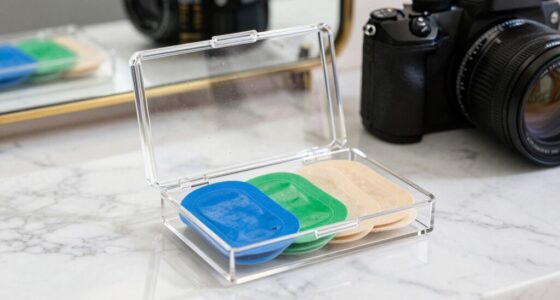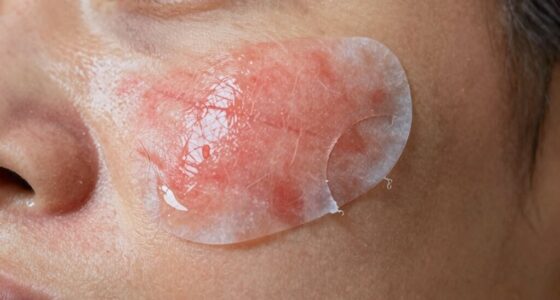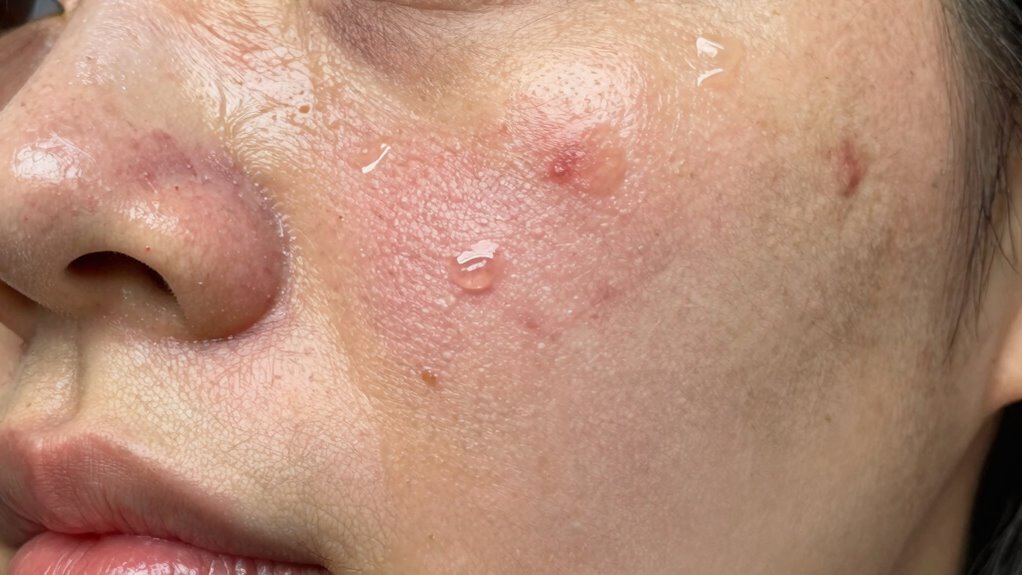

Acne patches work best on surface-level breakouts caused by dirt, oil, and pollution, as they absorb excess oil and impurities while sealing the pimple to prevent infection or picking. They’re less effective for deep, hormonal pimples that develop inside the skin and are driven by internal changes like hormone fluctuations. When you understand whether your breakout is surface or hormonal, you can better target your treatment. Keep exploring to learn how to maximize your skincare routine.

Get beauty and skincare favorites delivered free with Prime
- Fast, free delivery on millions of items
- Prime Video, Amazon Music and more included
- Member-only deals all year
Key Takeaways
- Acne patches are most effective on surface-level breakouts caused by dirt, oil, and pollution.
- They are less effective for deep, hormonal cysts that develop beneath the skin.
- Early-stage pimples respond better, as patches can prevent maturation and reduce inflammation.
- Hormonal breakouts, often around the chin and jawline, require internal treatment beyond patches.
- External triggers and surface causes allow patches to draw out impurities and provide quicker relief.
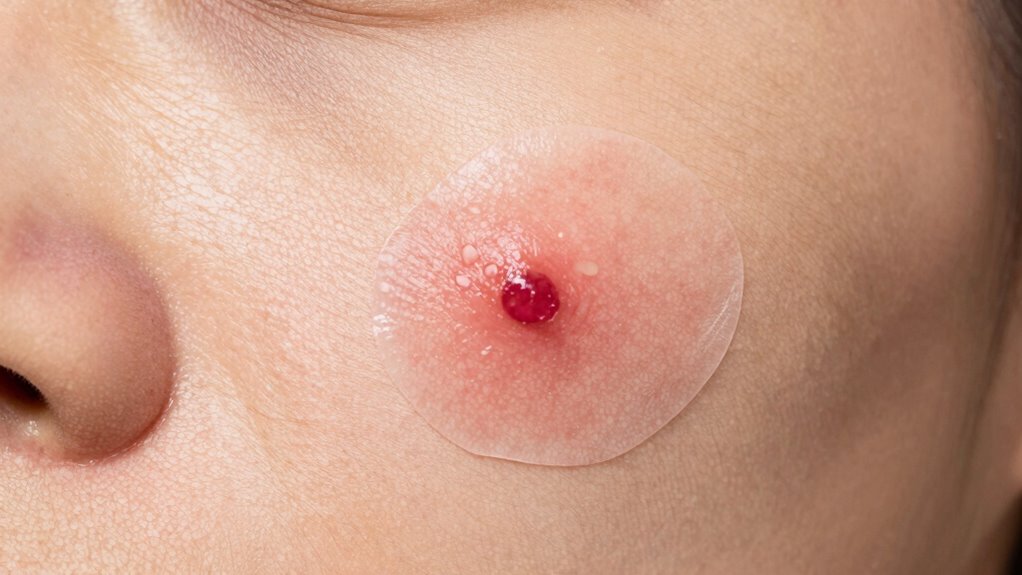
Acne patches can be be a game-changer when you need quick, targeted treatment for pimples. They work best when you catch a pimple early and apply the patch directly on the spot. But have you ever noticed that some breakouts clear up quickly with a patch, while others seem barely affected? The difference often comes down to what’s causing the breakout. Factors like hormonal fluctuations and environmental triggers play a big role in whether acne patches will be effective.
Acne patch effectiveness depends on the breakout’s cause—hormonal or environmental.
When your breakouts are driven by hormonal fluctuations, you might notice that acne patches have limited impact. Hormonal acne tends to develop deeper within your skin, often around the chin and jawline, and is fueled by internal changes, such as fluctuations in androgen levels. Since these pimples originate from internal hormonal shifts rather than surface-level debris or bacteria, a simple patch may not always address the root cause. In these cases, the patch can help reduce inflammation and absorb excess oil temporarily, but it doesn’t tackle the hormonal imbalance itself. That’s why some hormonal breakouts seem stubborn or linger longer, despite using acne patches. Recognizing hormonal causes can help you determine more effective treatment options.
On the other hand, environmental triggers are often more surface-level and easier for acne patches to combat. If your breakouts are caused by dirt, oil buildup, or pollution settling on your skin, an acne patch can work wonders. These patches work by absorbing excess oil, drawing out impurities, and sealing the pimple to prevent further infection or picking. When environmental factors are the main culprits, the patch effectively isolates the pimple from external irritants, speeding up healing. Recognizing the surface-level causes of breakouts can also inform your skincare routine adjustments. Understanding surface-level causes can help you tailor your skincare routine more effectively. Additionally, knowing the types of blemishes that respond best to patches can optimize your skincare approach.
The effectiveness of acne patches also depends on the stage of the breakout. When you apply one early — ideally when a bump is just forming — it can prevent it from becoming a full-blown cyst. But if you’re dealing with a deep, hormonal pimple that’s already matured, the patch’s ability to make a significant difference diminishes. It might still reduce inflammation temporarily, but it won’t eliminate the underlying cause. Understanding this can help you set realistic expectations and decide when to use patches versus other treatments. Incorporating a holistic approach that considers both physical and emotional factors can enhance your skin’s recovery.
acne patches for surface pimples
As an affiliate, we earn on qualifying purchases.
As an affiliate, we earn on qualifying purchases.
Frequently Asked Questions
Can Acne Patches Prevent Future Breakouts?
Acne patches mainly target existing breakouts, so they don’t directly prevent future pimples. However, by reducing inflammation and absorbing excess oil, they can help lower the risk of breakout recurrence. For effective pimple prevention, combine acne patches with a consistent skincare routine, including cleansing and exfoliating. While patches help manage current spots, maintaining overall skin health is essential to minimize future breakouts.
Are Acne Patches Suitable for Cystic Acne?
Acne patches aren’t ideal for cystic acne because they’re designed for superficial blemishes. Cystic inflammation involves deep infection and swelling beneath the skin, which patches can’t reach effectively. Applying a patch won’t reduce the deep infection or inflammation associated with cystic breakouts. Instead, consult a dermatologist for treatments like oral medications or stronger topical options that target deep infections and cystic inflammation directly.
How Long Should I Leave an Acne Patch On?
You should leave an acne patch on for about 6 to 8 hours or overnight, depending on the product instructions. For effective patch removal timing, check the label for specific guidance, as some patches are designed for shorter wear. Follow patch application tips by ensuring your skin is clean and dry before applying, and avoid touching or peeling it prematurely to maximize healing benefits.
Do Acne Patches Work on Dark Spots or Scars?
Acne patches primarily target active breakouts, so they aren’t effective on dark spots or scars. For dark spots, you should try dark spot treatments that contain ingredients like vitamin C or niacinamide. Scar reduction techniques, such as silicone gels or chemical peels, work better for reducing the appearance of scars. Keep in mind, patience is key, and combining these treatments with consistent skincare can lead to better results over time.
Can I Wear Makeup Over an Acne Patch?
Yes, you can wear makeup over an acne patch, but it’s best to do so carefully. Studies show that about 60% of users prefer wearing makeup over patches for quick coverage. For makeup compatibility, use non-comedogenic, gentle products and avoid rubbing the patch. To maintain your acne patch’s effectiveness, apply makeup lightly and avoid disturbing the patch, ensuring it stays in place while keeping your skin protected and looking flawless.
Conclusion
So, next time you reach for an acne patch, remember it’s most effective on surface-level, inflamed breakouts. It works best when it can directly target the pus and bacteria, helping reduce redness and speed healing. But on deeper cysts or hormonal acne, don’t expect miracles. Sometimes, the patch just can’t reach the root cause. Knowing this, you’ll use them wisely—treating what they can, and trusting other methods for stubborn spots.
Halloween Picks
halloween
As an affiliate, we earn on qualifying purchases.