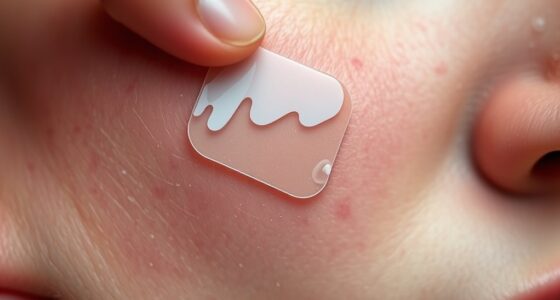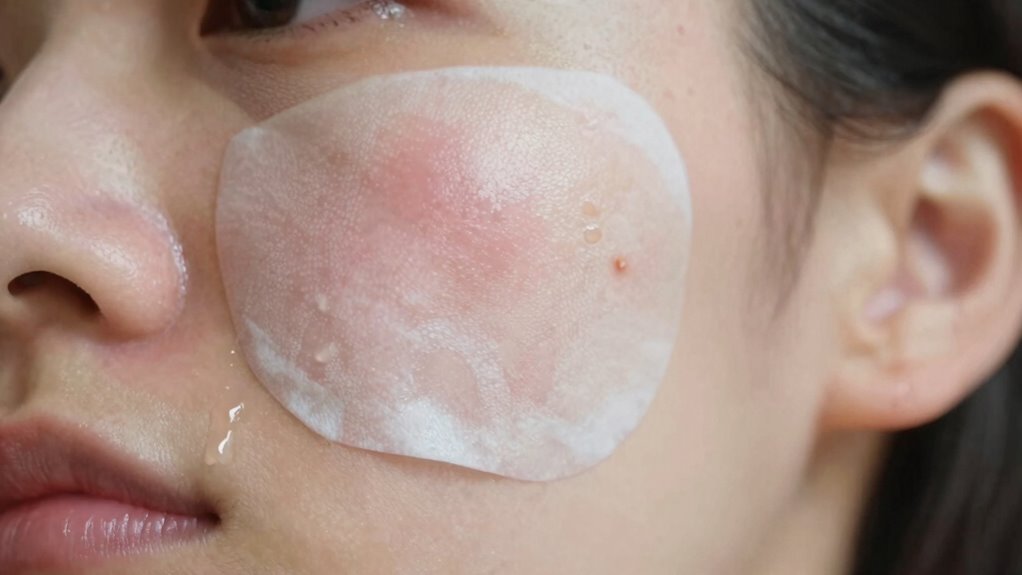

After removing an acne patch, gently cleanse your skin with a mild, non-abrasive cleanser to remove any residual adhesive and dirt. Pat your face dry with a soft towel and apply a soothing moisturizer with aloe vera or chamomile to support healing. Avoid touching, picking, or applying makeup to the area. Protect your skin from sunlight with sunscreen, and keep to a gentle skincare routine. Staying mindful of these steps can help your skin heal faster and stay clear—if you keep exploring, you’ll find even more helpful tips.

Get beauty and skincare favorites delivered free with Prime
- Fast, free delivery on millions of items
- Prime Video, Amazon Music and more included
- Member-only deals all year
Key Takeaways
- Gently cleanse the area with a mild, non-abrasive cleanser to remove any residual adhesive and dirt.
- Pat the skin dry with a soft towel and apply a soothing, lightweight moisturizer.
- Avoid touching, picking, or applying heavy makeup to prevent irritation and scarring.
- Protect the area from sunlight with broad-spectrum sunscreen to prevent hyperpigmentation.
- Monitor for signs of irritation or infection and consult a dermatologist if needed.
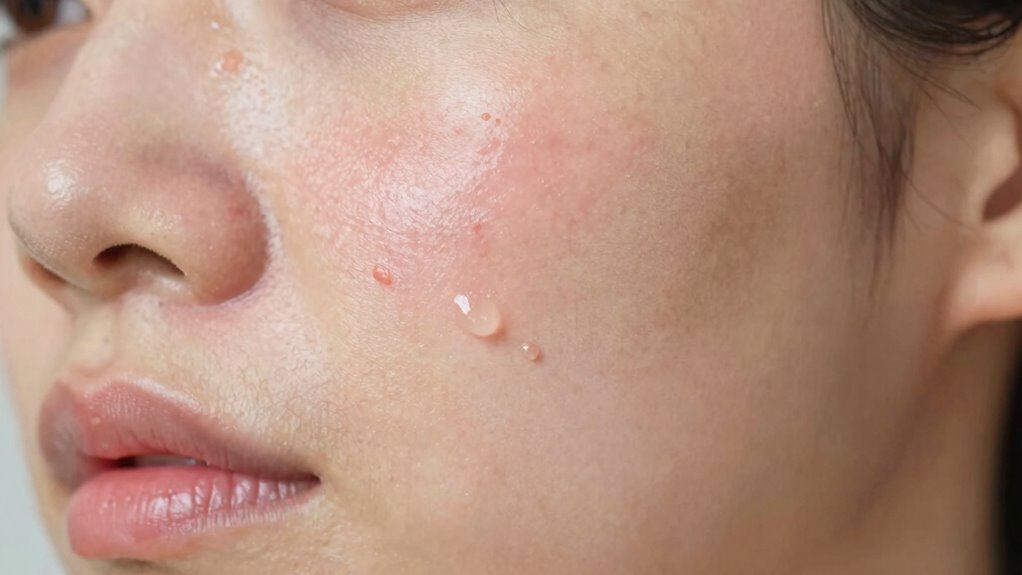
When an acne patch comes off, it’s important to handle your skin carefully to guarantee proper healing and prevent further breakouts. You’ve just removed a barrier that was working to draw out impurities, so now your skin needs gentle, attentive care. Focus on promoting pore healing by avoiding harsh scrubbing or aggressive skincare routines. Instead, gently cleanse the area with a mild, non-abrasive cleanser to remove any residual adhesive or dirt without irritating your skin. Pat your face dry with a soft towel—rubbing can cause unnecessary skin irritation and slow down the healing process.
Once your skin is dry, consider applying a lightweight, soothing moisturizer that contains calming ingredients like aloe vera or chamomile. This helps to reinforce your skin’s natural barrier, which may be slightly compromised after the patch removal. If you notice any redness or discomfort, avoid using products with alcohol or strong acids, as these can exacerbate skin irritation. Instead, opt for products formulated for sensitive skin, which minimize the risk of inflammation and support gentle pore healing. Additionally, maintaining a consistent skincare routine can help support the healing process and prevent future breakouts.
Apply a gentle, soothing moisturizer with aloe vera or chamomile to support your skin’s healing.
You should also be cautious about touching or picking at the area, as this can introduce bacteria and cause scarring or further irritation. Keep your hands clean if you need to touch your face, and try to leave the area undisturbed for a few hours. During this time, avoid applying makeup or heavy skincare products that might clog the pores or cause additional irritation. If you want to use a spot treatment, choose one with ingredients like salicylic acid or benzoyl peroxide, but use it sparingly and only if your skin tolerates it well. Using gentle skincare practices can also help minimize irritation and promote faster healing. Incorporating gentle cleansing methods can further reduce the risk of disrupting the healing process.
Sun protection is essential after removing an acne patch. Your skin may be slightly more sensitive to UV rays, increasing the risk of hyperpigmentation or irritation. Applying a broad-spectrum sunscreen helps protect the area while supporting the healing process. Remember, pore healing takes time, and patience is key. Over the next few days, continue to keep the area clean, moisturized, and protected from environmental stressors. It’s also helpful to avoid pore-clogging ingredients in your skincare to prevent future breakouts. If you notice persistent redness, swelling, or signs of infection, consult a dermatologist for appropriate treatment. Practicing gentle skincare practices can significantly enhance your skin’s recovery and reduce the chances of future irritation. By handling your skin gently and thoughtfully, you’ll promote faster healing and reduce the chance of future breakouts or skin irritation.
Products Worth Considering

OMRON VIVA 360+ Body Composition Monitor and Smart Scale
Withings Sleep Under-Mattress Sleep Tracking Pad

BowFlex Results Series SelectTech 552 Adjustable Dumbbell
As an affiliate, we earn on qualifying purchases.
Frequently Asked Questions
How Long Should I Wait Before Applying Makeup After Removing an Acne Patch?
You should wait at least a few hours before applying makeup after removing an acne patch. This allows your skin to breathe and reduces irritation. When you’re ready, use a clean brush or sponge for makeup application to avoid contaminating your skin. If you plan on skin reapplication or treating the area again, give your skin time to recover first. This helps prevent further breakouts and keeps your skin healthy.
Can I Reuse the Same Acne Patch if It Comes off Prematurely?
You shouldn’t reuse the same acne patch if it comes off prematurely, as it can cause skin irritation and isn’t hygienic. Reusable patches are designed for multiple uses, but only if they stay intact and are properly cleaned. If your patch falls off early, replace it with a new one to guarantee effective treatment and prevent bacteria buildup. Always follow the manufacturer’s instructions for reuse to avoid skin irritation.
Is It Safe to Touch the Treated Area After Removing the Patch?
Touching the treated area after removing an acne patch isn’t entirely safe, as it can increase infection risk. You should avoid touching it with unwashed hands to prevent bacteria from entering the skin. If you need to touch the area, make sure your hands are clean. Doing so minimizes the chance of irritation or infection, helping your skin heal properly without introducing new bacteria or causing further breakouts.
Should I Moisturize Immediately After Removing an Acne Patch?
Yes, you should moisturize immediately after removing an acne patch. Doing so helps restore your skin’s hydration and supports your skincare routine by soothing the treated area. Be gentle when applying moisturizer to avoid irritating the skin further. Proper patch disposal is also important; discard used patches safely to prevent contamination. Incorporate this step into your routine to keep your skin healthy and promote faster healing.
What Signs Indicate I Should See a Dermatologist After Patch Removal?
If your skin reacts badly after removing an acne patch, you should see a dermatologist. Signs like increasing redness, swelling, pain, or pus indicate infection or an allergic reaction. These symptoms threaten your pimple prevention efforts and disrupt your skincare routine. Don’t ignore persistent or worsening issues—professional advice can help prevent scarring and guarantee your skin heals properly. Acting promptly keeps your skin healthy and your confidence soaring!
Conclusion
Once the acne patch comes off, gently clean your skin and apply a soothing moisturizer to support healing. Avoid picking at the area to prevent scarring and keep it protected from dirt and bacteria. Did you know that studies show consistent skincare can reduce acne breakouts by up to 50%? By following these simple steps, you’ll help your skin recover faster and stay clearer longer. Stay patient and gentle—you’re on the right path to healthier skin.