Microneedle acne patches outperform hydrocolloid patches when it comes to targeting inflammation, bacteria, and clogged pores more deeply. They deliver active ingredients like antibiotics or anti-inflammatories directly into the skin’s deeper layers, promoting faster healing and reducing scars. Plus, they’re more effective for mild to moderate inflamed acne. If you want to understand why microneedles are a game-changer for acne treatment, keep exploring the details.
Key Takeaways
- Microneedle patches deliver active ingredients directly into deeper skin layers, increasing treatment effectiveness over hydrocolloid patches.
- They promote faster healing and reduce inflammation by bypassing the skin barrier, leading to quicker visible results.
- Microneedle patches are better at targeting inflammatory acne, cystic lesions, and reducing scars compared to hydrocolloid patches.
- They stimulate collagen production and natural skin regeneration, supporting long-term skin health and clarity.
- Microneedle patches offer deeper penetration and enhanced absorption, making them more effective for persistent or severe acne.
How Do Microneedle Acne Patches Work?
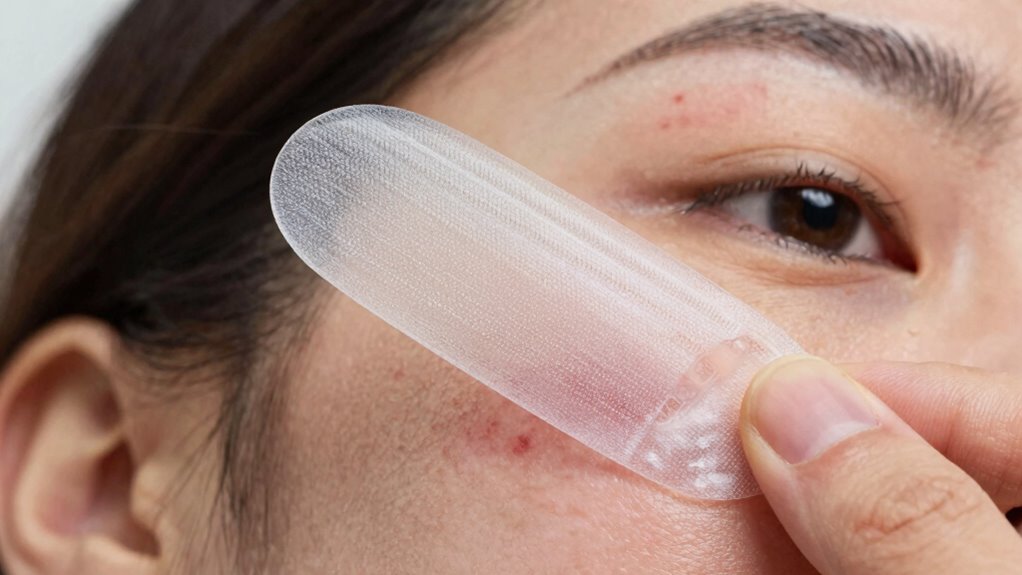
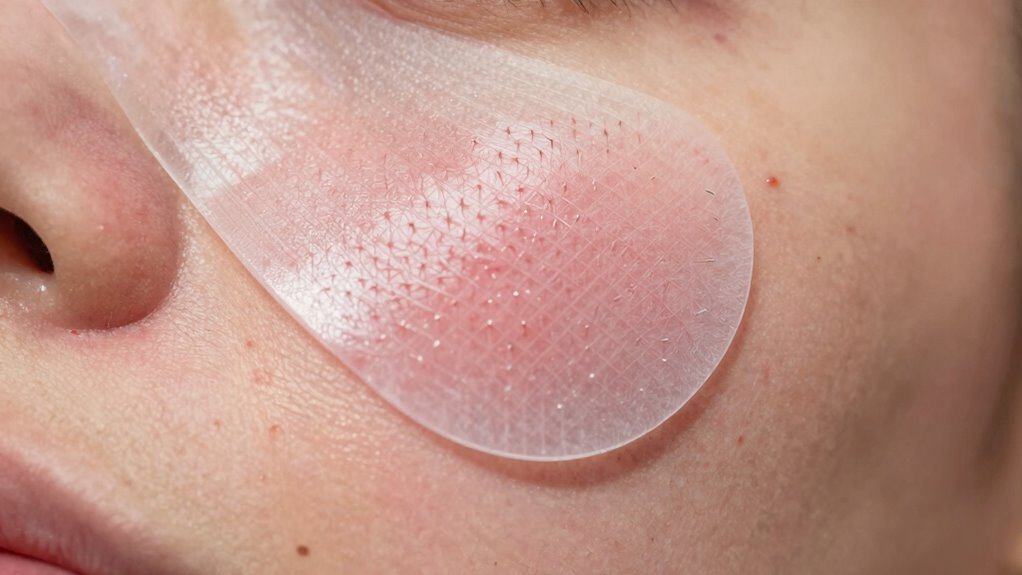
Microneedle acne patches work by delivering active ingredients directly into the skin through tiny, painless needles. This process uses advanced microneedle technology to penetrate the skin’s outer layer without causing significant discomfort. Unlike traditional treatments, these patches bypass the skin barrier effectively, allowing ingredients like salicylic acid or niacinamide to reach deeper layers where they can target acne-causing bacteria and inflammation. The microneedles create microchannels that facilitate absorption, making the treatment more efficient. Importantly, this method minimizes damage to the skin barrier, reducing irritation and promoting faster healing. The precision of delivery offered by microneedle patches enhances their effectiveness compared to conventional methods. Additionally, this technology aligns with sustainable skincare practices that focus on reducing waste and environmental impact, which is increasingly important to consumers. As a result, microneedle patches offer a precise, minimally invasive way to treat acne while maintaining the integrity of your skin’s natural defenses. The tiny needles also help boost collagen production, which can improve skin texture over time. The ability to target specific areas with minimal discomfort also makes these patches a convenient option for daily skincare routines.
What Are the Main Benefits of Microneedle Patches Compared to Hydrocolloid?
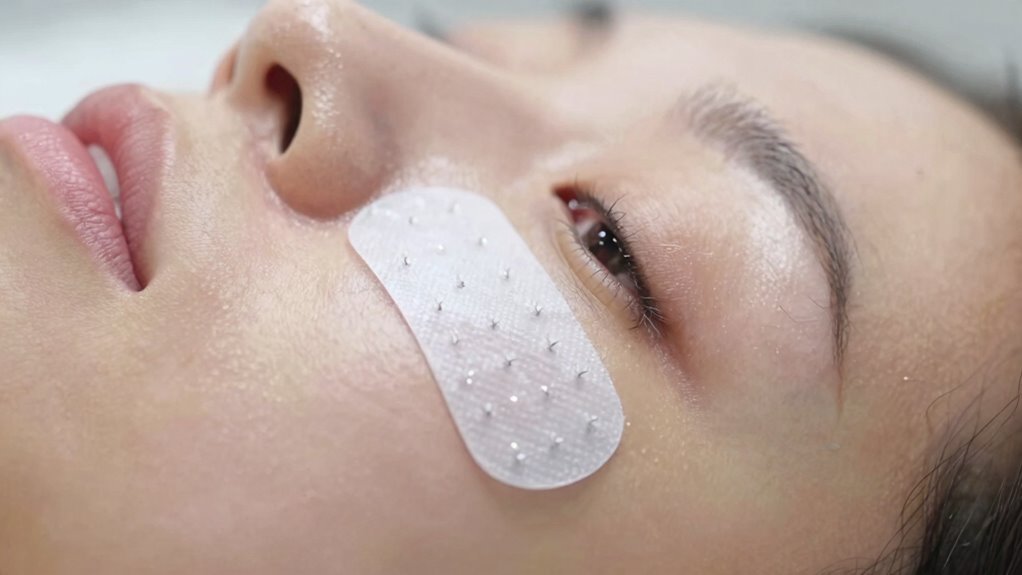
Microneedle patches offer deeper skin penetration, which helps deliver active ingredients more effectively. They also reduce the risk of scarring and promote quicker healing compared to hydrocolloid patches. By choosing microneedle patches, you can experience faster results and better skin recovery. Additionally, ventilation considerations can enhance the overall effectiveness of skin treatments. Proper device maintenance can further improve treatment outcomes and ensure safety. Incorporating appropriate application techniques can maximize the benefits of microneedle therapy and optimize skin health. Utilizing advanced technology in microneedle patches can further boost their efficacy and user comfort.
Enhanced Skin Penetration Depth
Because of their ability to penetrate deeper into the skin, microneedle patches deliver active ingredients more effectively than hydrocolloid patches. This increased needle depth enhances skin absorption, allowing treatments to reach the targeted layers where acne-causing bacteria and inflammation reside. By bypassing the outermost barrier, microneedles facilitate faster and more efficient delivery of medications like salicylic acid or other anti-inflammatory agents. This deeper penetration ensures your skin absorbs the ingredients more thoroughly, leading to quicker results. Unlike hydrocolloid patches, which primarily act on surface-level moisture and bacteria, microneedle patches actively work beneath the skin’s surface. As a result, you get enhanced treatment efficacy and improved healing outcomes for acne-prone skin.
Reduced Scarring Potential
Unlike hydrocolloid patches, microneedle patches considerably reduce the risk of scarring by minimizing skin trauma during treatment. Their tiny needles gently stimulate the skin, promoting more effective scarring reduction and encouraging natural skin regeneration. This targeted approach prevents unnecessary damage to surrounding tissue, which often leads to permanent scars. By fostering healthier skin, microneedle patches help you achieve clearer, smoother results over time. The controlled punctures activate your body’s healing response without excessive trauma, making them a safer option for scar-prone skin. Additionally, microneedle patches can be combined with free crypto opportunities to access innovative skincare solutions and discounts. As a result, you’re less likely to develop hypertrophic scars or hyperpigmentation. Overall, microneedle patches support your skin’s natural healing process, providing a significant advantage in reducing long-term scarring compared to traditional hydrocolloid methods.
Faster Healing Times
Faster healing times are one of the key advantages of microneedle patches over traditional hydrocolloid options. These patches deliver active ingredients directly into the skin, promoting quicker recovery and reducing inflammation. Dermatologist recommendations often favor microneedles for their efficiency, especially when time is a concern. Compared to hydrocolloids, they accelerate healing by stimulating collagen production and enhancing skin repair processes. While the upfront cost may be higher, the overall cost comparison favors microneedles since you see results faster and often need fewer treatments. Here’s a quick overview:
| Aspect | Microneedle Patches | Hydrocolloid Patches |
|---|---|---|
| Healing Speed | Faster, active ingredient delivery | Slower, passive absorption |
| Recommended by Dermatologists | Yes | Less frequently recommended |
| Cost Comparison | Higher upfront, cost-effective long-term | Lower initial cost, longer healing |
| Efficacy | Accelerates healing process | Provides a protective barrier |
| Usage Duration | Shorter, more effective time | Longer, less aggressive |
How Fast Do Microneedle Acne Patches Show Results?
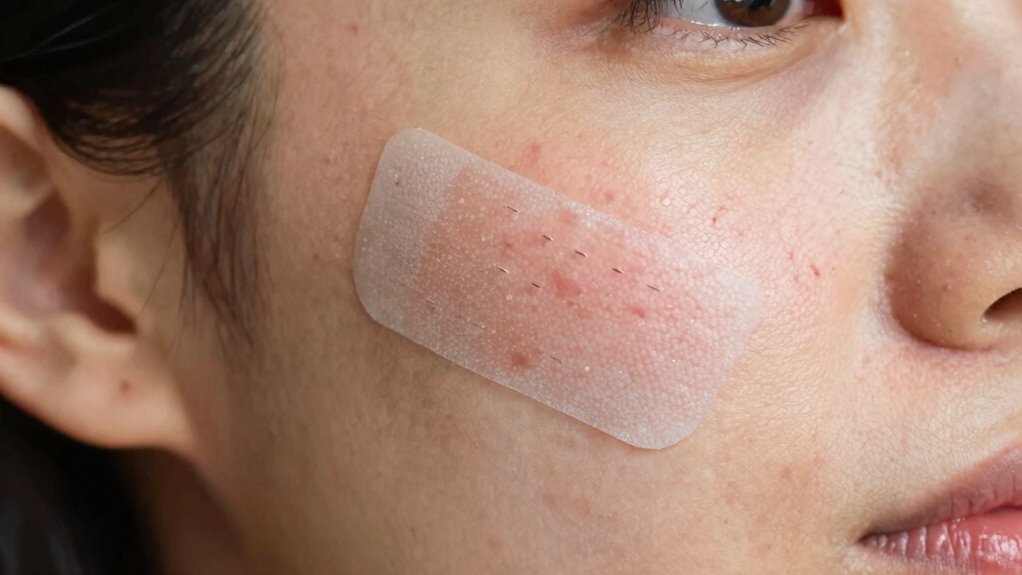
Microneedle acne patches can start showing visible improvements within a few days of consistent use. This is because they target the deep skin layers where acne originates, delivering active ingredients directly to the problem areas. You’ll notice reduced inflammation, smaller blemishes, and less redness quickly. The rapid results are partly due to their ability to stimulate collagen production and enhance skin renewal at a deeper level. Unlike surface treatments, these patches work beneath the surface, promoting faster healing from the inside out. With regular application, you won’t need to wait long to see clearer skin. Additionally, understanding skin layers helps explain why these patches can deliver such swift results. Keep in mind, individual results can vary, but many users report noticeable changes within just a few days, making microneedle patches an efficient choice for tackling acne swiftly.
Which Acne Types Are Best Suited for Microneedle Patches?
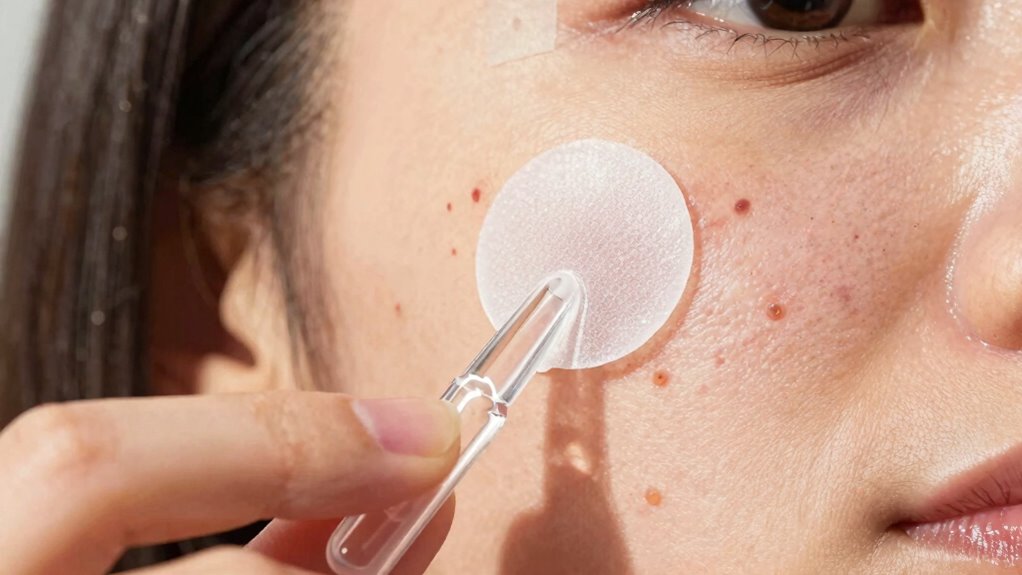
Microneedle acne patches work best for mild cases and specific acne types. They are particularly effective for cystic acne, helping to reduce inflammation and promote healing. If you’re dealing with stubborn cysts or mild breakouts, these patches could be a good option for you. Additionally, they can be used to target specific skin concerns and support overall skin recovery.
Suitable Acne Types
Are microneedle acne patches suitable for all types of acne? Not quite. They work best on mild to moderate inflammatory acne, where pore size and oil control are key factors. Here’s why they’re ideal:
- They target open comedones and small pustules, helping reduce inflammation.
- Their design enhances absorption, making them effective for areas with larger pores.
- They support oil control, preventing excess sebum buildup that worsens acne.
- Their compatibility with toilet maintenance practices reflects their suitability for targeted skin care, as both require proper application and understanding of underlying mechanisms.
- Additionally, their ability to deliver active ingredients directly into the skin makes them a targeted treatment option for surface blemishes.
- Considering evidence-based skincare ensures that their use aligns with proven methods for managing surface acne effectively.
While they don’t work as well on cystic or deep nodular acne, microneedle patches excel at managing surface blemishes. If your acne involves visible spots and oily skin, these patches can improve healing and reduce scarring. They’re a versatile option for targeted treatment of specific acne types.
Effective for Cysts
While microneedle patches are highly effective for surface-level acne, they generally aren’t suitable for cystic or deep nodular lesions. Cysts often involve larger pore sizes and deeper inflammation, making it harder for patches to reach the affected area effectively. These patches excel at delivering targeted ingredients that help control oil and reduce surface inflammation, but they don’t penetrate deeply enough to treat large, painful cysts. If you’re dealing with cystic acne, other treatments like oral medications or professional interventions might be more appropriate. Microneedle patches are better suited for smaller, superficial breakouts where pore size and oil control play a vital role. For cysts, their ability to address underlying causes remains limited. Additionally, the development of nanotechnology in microneedles could potentially enhance their ability to reach deeper layers in the future.
Best for Mild Cases
For mild cases of acne, microneedle patches can be highly effective, especially when breakouts are surface-level or small in size. They work well to address pore congestion without disrupting your skin barrier. If you’re dealing with early or minor blemishes, microneedle patches can help clear debris and reduce inflammation.
Consider these points:
- They target surface congestion, minimizing pore clogging.
- They deliver active ingredients deep into the skin, boosting healing.
- They’re gentle, preserving your skin barrier while treating mild acne.
These patches are ideal for preventing escalation of small breakouts and keeping your skin clear without causing irritation. They’re a smart choice for managing mild acne effectively and conveniently.
What Ingredients Are Delivered Deep Into the Skin by Microneedles?
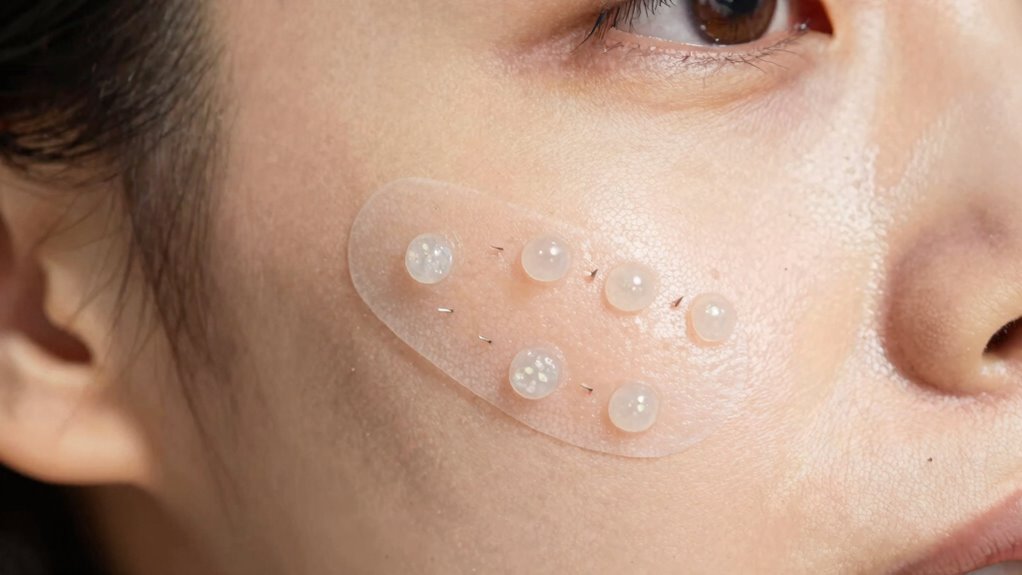
Microneedles create tiny channels in the skin that allow active ingredients to reach deeper layers more effectively than traditional topical applications. This enhances drug delivery and improves skin absorption, making treatments more efficient. Common ingredients delivered through microneedles include anti-inflammatory agents, antibiotics, and skincare compounds like hyaluronic acid and vitamin C. These ingredients penetrate beyond the surface, targeting underlying issues such as acne-causing bacteria, inflammation, and clogged pores. By bypassing the skin’s outer barrier, microneedles guarantee that active ingredients are delivered directly where they’re needed most. This precise delivery boosts effectiveness and reduces the need for higher concentrations, minimizing potential irritation. Skin penetration helps explain why microneedle devices are so effective at reaching deeper skin layers. Additionally, the creation of microchannels minimizes damage to the skin while maximizing absorption of active compounds. Furthermore, targeted delivery ensures that the active ingredients reach specific areas, improving overall treatment outcomes. Understanding skin permeability highlights how microneedles can significantly enhance the delivery of skincare ingredients. Incorporating microchannel formation into treatment protocols can further optimize results by facilitating even deeper ingredient penetration. Overall, microneedle technology optimizes the delivery of key ingredients deep into your skin for faster, more targeted results.
Are Microneedle Patches Safe for Sensitive Skin?

Microneedle patches offer targeted delivery of active ingredients, but if you have sensitive skin, you might wonder whether they are safe to use. Generally, they are designed to be gentle, but your pore size and skin hydration levels matter. Here’s what to contemplate:
- Smaller pores reduce the risk of irritation, making microneedles safer for sensitive skin.
- Maintaining proper skin hydration helps minimize redness and discomfort after application.
- Use patches with soothing ingredients to support your skin’s barrier and prevent adverse reactions.
- Being aware of AI ethics can also inform how skincare products are developed and marketed, ensuring safety and transparency.
- Choosing skin-friendly materials for the patches can further reduce the likelihood of irritation or allergic reactions.
- Additionally, understanding skin barrier health can help you select products that support your skin’s natural defenses and improve overall tolerance.
While microneedle patches are usually safe, always patch test first and choose products formulated for sensitive skin to avoid irritation or redness.
How Do You Properly Apply and Use Microneedle Acne Patches?
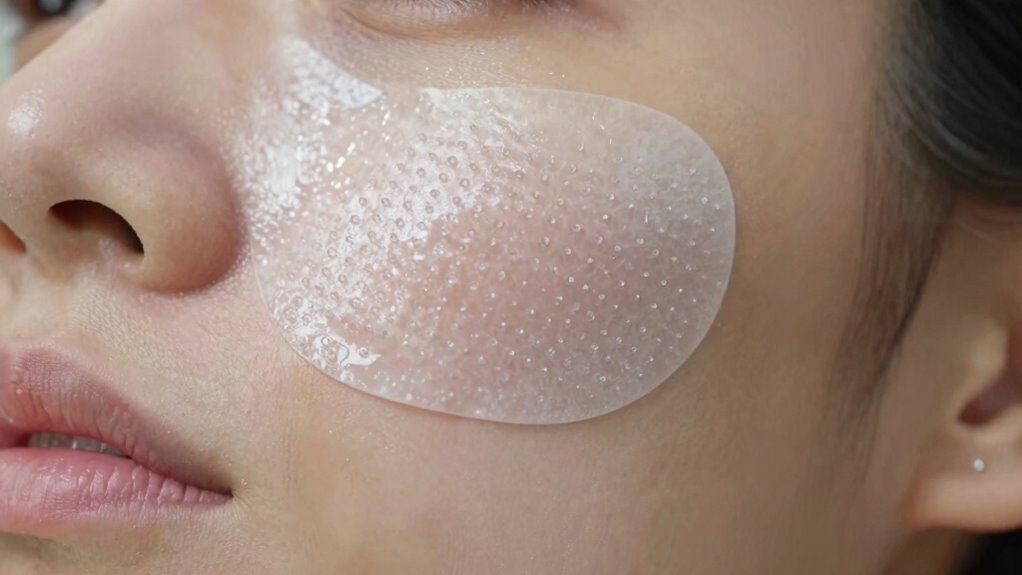
To properly apply microneedle acne patches, start by thoroughly cleansing and drying your skin to remove dirt, oil, and makeup. This ensures the patch adheres well and maximizes effectiveness. For DIY tips, gently exfoliate the area beforehand to enhance absorption. When choosing a product, compare patches with varying needle lengths and adhesive strengths to find the best fit for your skin type. Carefully peel the microneedle patch from its backing and place it directly over the blemish, pressing down gently to secure it. Leave it on as recommended—usually several hours or overnight—to allow the microneedles to work. When removing, do so delicately to avoid irritation. Proper application and product comparisons help optimize results while minimizing discomfort. Additionally, understanding the role of ethics in skincare product development can ensure you’re selecting reputable and safe options. Being aware of media literacy can also help you identify trustworthy brands and avoid misleading marketing claims. Moreover, selecting products from reputable sources helps ensure the quality and safety of the patches you use.
What Are the Limitations or Drawbacks of Microneedle Patches?
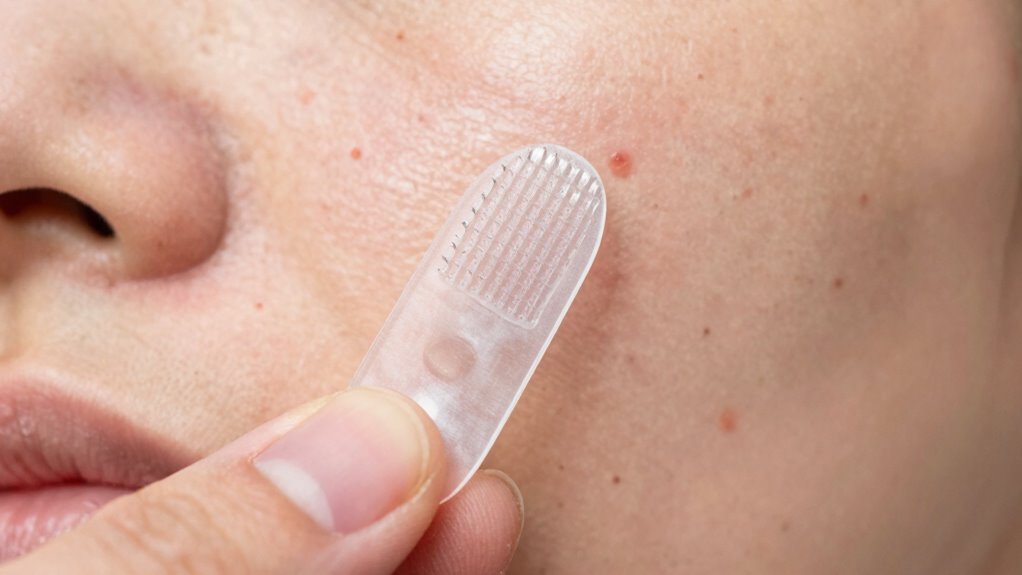
While microneedle acne patches offer promising benefits, they also come with certain limitations. First, the cost can be higher than traditional patches, making them less accessible for some. Second, their availability may be limited to specialty stores or online shops, reducing accessibility for everyday users. Third, they might not be suitable for all skin types or severe acne, which can limit their effectiveness. Additionally, some users find the application process uncomfortable or intimidating, especially if they’re new to microneedling. Keep in mind that these patches require proper handling and may not be a one-size-fits-all solution, especially considering affordability and ease of access. Understanding these drawbacks helps you decide if microneedle patches fit into your acne treatment routine.
Should You Switch to Microneedle Patches for Your Acne Routine?
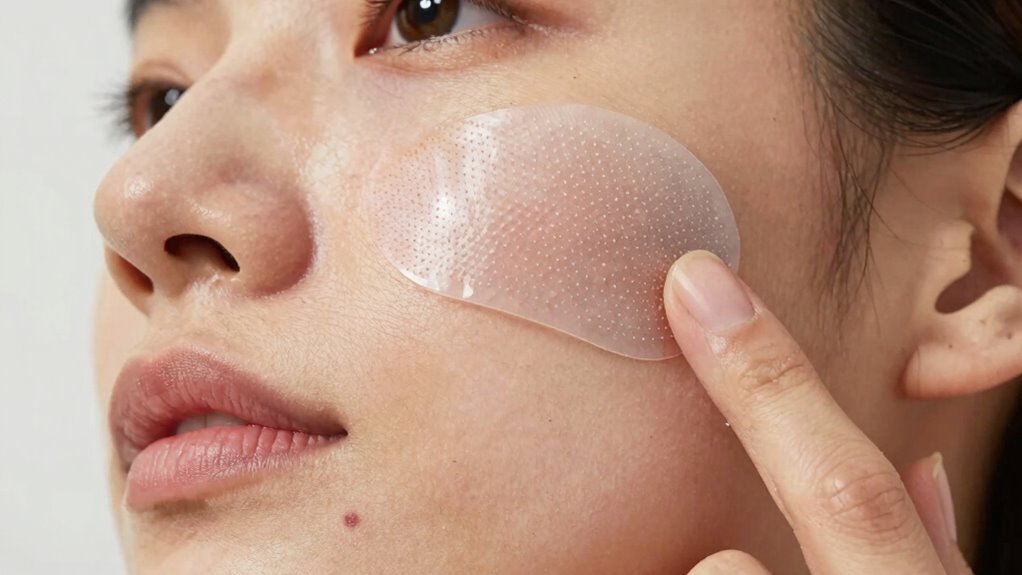
Deciding whether to switch to microneedle patches depends on your specific skin concerns, preferences, and treatment goals. If you’re looking for advanced needle technology that delivers medications more effectively, microneedle patches could be a good fit. However, consider your skin sensitivity, as some people may experience irritation or discomfort with this method. Microneedle patches can target deeper layers of skin, making them effective for stubborn acne, but they may not be suitable for sensitive or compromised skin. Evaluate whether your skin can tolerate the puncturing process and if you prefer a more intensive treatment. Ultimately, consulting a dermatologist can help determine if switching to microneedle patches aligns with your acne management plan.
Frequently Asked Questions
Can Microneedle Patches Be Used Alongside Other Acne Treatments?
Yes, you can definitely use microneedle patches alongside other acne treatments. Incorporating them into your skincare routine as part of a combination therapy can enhance results, targeting acne more effectively. Just make sure to apply treatments in the right order and give your skin time to breathe between applications. Always consult with a dermatologist to ensure your combined skincare routines are safe and tailored to your skin’s needs.
How Long Should I Wear a Microneedle Patch Each Day?
You should wear a microneedle patch for about 8 to 12 hours daily. Studies show that consistent use during this period maximizes benefits without overloading your skin. If you have sensitive skin, start with shorter patch durations to avoid irritation, gradually increasing as tolerated. Always follow the product instructions and listen to your skin’s response to prevent discomfort or adverse reactions.
Are Microneedle Patches Reusable or Single-Use?
Microneedle patches are generally single-use due to reusability concerns and sterilization challenges. Reusing them risks contamination and reduced effectiveness, even with thorough sterilization methods like alcohol wipes or UV sterilization. To guarantee safety and ideal results, it’s best to discard the patch after use. Always follow the manufacturer’s instructions, as reusing can compromise hygiene and potentially cause skin infections.
Do Microneedle Patches Cause Any Pain or Discomfort?
You might feel a tiny prickle, like a gentle bee sting, but most find the pain sensation minimal. The discomfort level is usually low, often comparable to a quick pinprick. Microneedle patches are designed to be as comfortable as possible, so you shouldn’t experience significant pain. If you’re sensitive, you might notice slight redness or tingling, but that’s temporary and much less intense than traditional treatments.
What Is the Recommended Age for Using Microneedle Acne Patches?
You should generally wait until you’re at least 12 years old to use microneedle acne patches, considering age considerations and developmental safety. It’s important to consult a dermatologist before starting, especially for younger teenagers, to guarantee proper use and avoid any potential skin irritation or injury. As your skin develops, these patches can be an effective treatment, but professional guidance helps ensure safe and appropriate application.
Conclusion
If you’re tired of waiting days for results, microneedle patches could revolutionize your acne routine. Studies show they can deliver active ingredients up to 50% deeper into your skin, speeding up healing. While they’re not perfect for every skin type, their ability to target stubborn pimples makes them worth trying. Switch to microneedles and see faster, more effective results—your skin will thank you!