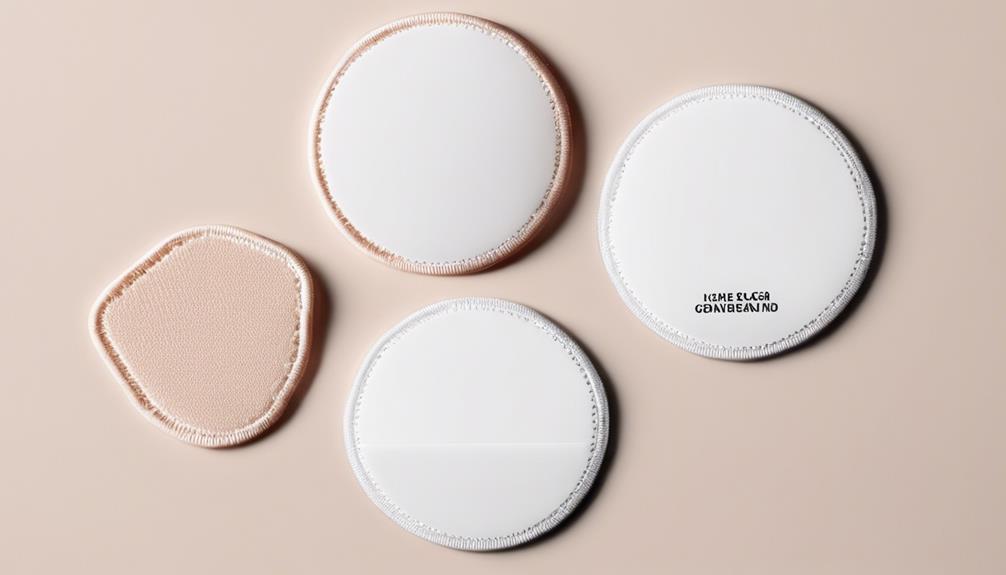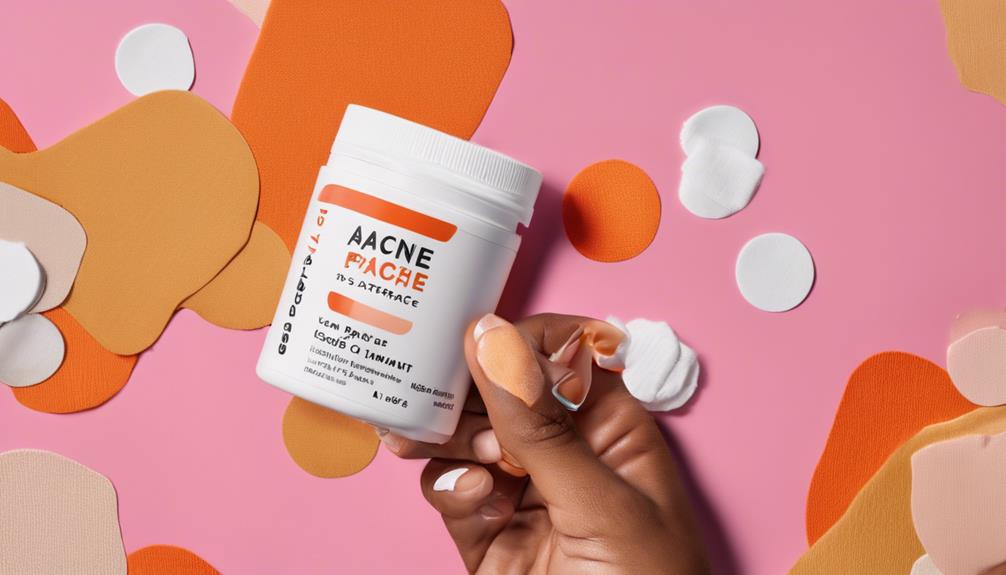
If you’re dealing with body acne on your shoulders, back, or chest, body acne patches can be a great solution. They work by absorbing excess oil and delivering active ingredients directly to your breakouts, helping to reduce inflammation and prevent bacterial spread. These patches are easy to apply and discreet, effectively targeting stubborn spots. To learn more about how these patches can fit into your skincare routine, keep exploring your options.
Key Takeaways
- Body acne patches deliver active ingredients directly to shoulders, back, and chest for targeted treatment.
- They help absorb excess oil, reduce inflammation, and prevent bacterial spread in affected areas.
- Patches are convenient for on-the-go use and minimize mess compared to topical creams.
- Consistent use enhances healing, diminishes scarring, and supports clearer skin over time.
- Choose patches with ingredients like salicylic acid or benzoyl peroxide suitable for body acne.
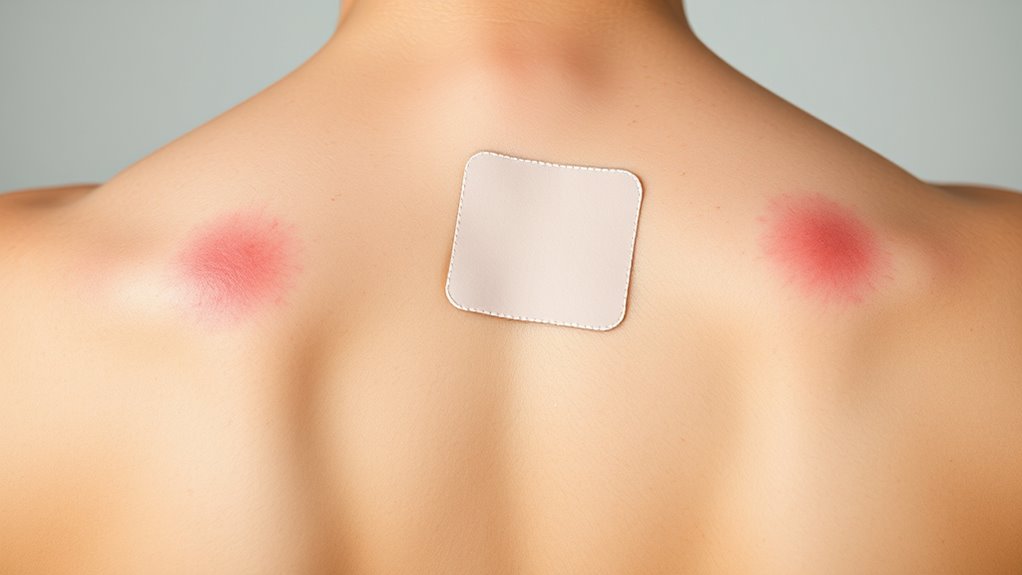
Have you ever struggled with body acne and wished for a quick, effective solution? If so, you’re not alone. Body acne on your shoulders, back, and chest can be frustrating and sometimes embarrassing, but the good news is there are treatment options that can help clear your skin. When tackling body acne, it’s essential to understand both the available treatments and prevention strategies. This way, you can choose the right approach to manage breakouts and reduce their appearance over time.
One of the most straightforward treatment options for body acne involves topical products. Look for over-the-counter solutions containing ingredients like benzoyl peroxide, salicylic acid, or alpha hydroxy acids. These ingredients work to unclog pores, reduce inflammation, and kill bacteria that cause acne. Applying body acne patches directly to affected areas can also be effective. These patches help absorb excess oil, keep the area clean, and deliver active ingredients directly to the breakout, speeding up healing. Using patches consistently can prevent the spread of bacteria and reduce the risk of scarring.
Topical treatments like benzoyl peroxide, salicylic acid, and acne patches effectively target body acne.
In addition to topical treatments, adopting prevention strategies is vital. Showering promptly after sweating, especially after workouts or outdoor activities, helps wash away excess oil, dirt, and bacteria that can clog pores. Wearing loose, breathable clothing minimizes friction and sweat buildup on your skin, reducing irritation and breakouts. Regular exfoliation can also prevent dead skin cells from clogging pores. However, avoid harsh scrubs that can irritate your skin further; instead, opt for gentle exfoliants suitable for your skin type. Incorporating proper skincare routines can further enhance your skin’s health and resilience against breakouts.
Maintaining good hygiene and a consistent skincare routine plays a significant role in prevention. Use a gentle body wash that targets acne-prone skin and avoid harsh soaps that strip your skin of natural oils. Moisturizing with non-comedogenic lotions keeps your skin balanced and less prone to breakouts. If you’re prone to body acne, consider avoiding heavy, pore-clogging products or oils on your skin.
If your body acne persists despite these strategies, consult a dermatologist. They might recommend prescription treatments such as topical antibiotics or retinoids. Sometimes, underlying issues like hormonal imbalance may contribute, and a healthcare professional can guide you toward the most effective long-term solution.
Frequently Asked Questions
Can Body Acne Patches Cause Skin Irritation or Allergic Reactions?
Yes, body acne patches can cause skin irritation or allergic reactions, especially if you’re sensitive to certain ingredients. You might notice redness, itching, or swelling after using a patch. To minimize risks, do a patch test on a small skin area first. If you experience any allergic reactions or irritation, remove the patch immediately and consult a dermatologist for suitable alternatives.
How Long Does It Take to See Results Using Body Acne Patches?
You’ll start seeing visible improvements within 1 to 2 weeks of consistent use, but patience is key—good things take time. The treatment duration varies depending on the severity of your acne, so don’t expect miracles overnight. Stick with the patches daily, and remember, slow and steady wins the race. If you follow the instructions, you should notice clearer skin and fewer breakouts as your skin heals over time.
Are Body Acne Patches Effective for Cystic or Hormonal Acne?
Body acne patches can help with mild cystic or hormonal acne, but they’re not the best cystic acne treatment or hormonal acne management alone. For stubborn cystic or hormonal breakouts, you’ll want to combine patches with targeted treatments like topical or oral medications prescribed by a dermatologist. Patches may reduce surface inflammation and bacteria, but addressing underlying hormonal causes often requires an all-encompassing approach for effective cystic or hormonal acne management.
Can I Wear Body Acne Patches While Exercising or Swimming?
Yes, you can wear body acne patches while exercising or swimming. They are designed for exercise compatibility and waterproof effectiveness, so sweat and water won’t loosen them. Just make sure you apply the patches correctly, and choose waterproof options for swimming. This way, you keep your skin protected and your acne treatment active, whether you’re working out or enjoying water activities. Keep your skin covered and confident throughout the day.
How Often Should I Replace or Change Body Acne Patches?
You should replace body acne patches based on their patch longevity, typically every 12 to 24 hours or as directed by the product instructions. Pay attention to replacement frequency; if the patch becomes loose, dirty, or saturated with fluid, it’s time for a fresh one. Regularly changing patches helps maintain their effectiveness and prevents irritation, ensuring your skin stays protected and healing efficiently.
Conclusion
Using body acne patches on your shoulders, back, and chest can be an effective way to target breakouts directly. Think of these patches as tiny shields that trap impurities and speed up healing, much like a bandage protects a wound. While they work well for many, remember that everyone’s skin is different. Try them out and observe how your skin responds—it’s like testing a new recipe to see if it’s a perfect fit.