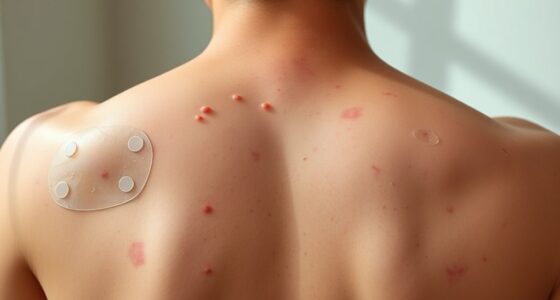
You should avoid patching a breakout if your skin shows signs of irritation, redness, or discomfort, especially within 24 hours, as this indicates sensitivity. Don’t patch over open, weeping, or severely inflamed lesions, since they can worsen infection or scarring. Be cautious around sensitive areas like your eyes or mouth, and wait after recent treatments or allergies. Patching too soon can trap bacteria and worsen your skin. Keep these red flags in mind to protect your skin’s health.

Get beauty and skincare favorites delivered free — and shop member deals
- Fast, free delivery on millions of items
- Access to Prime Big Deal Days deals on October 6–7
- Prime Video, Amazon Music and more included
Key Takeaways
- Avoid patching if your skin is irritated, inflamed, or shows signs of calming down to prevent further damage.
- Do not patch open, weeping, or raw lesions to reduce infection risk and promote proper healing.
- Refrain from patching over severe or inflamed breakouts to prevent trapping bacteria and worsening inflammation.
- Skip patching near sensitive areas like eyes and mouth to avoid irritation or infection.
- Seek professional advice if your skin reacts negatively or if you’re unsure about the breakout’s severity or healing status.
As an affiliate, we earn on qualifying purchases.
How to Tell If Your Skin Doesn’t Need Patching
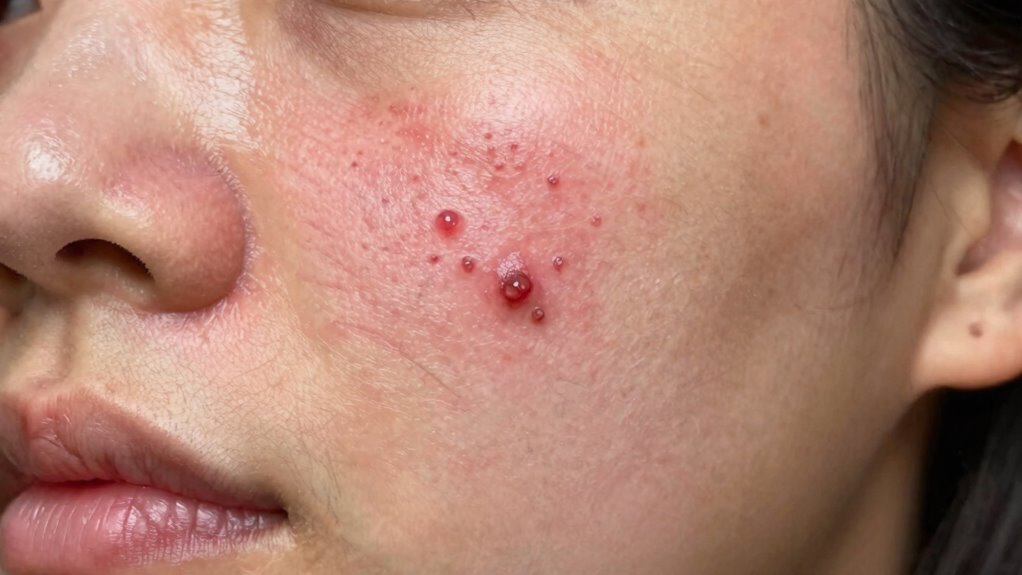
Knowing when your skin doesn’t need patching is essential to prevent unnecessary irritation or scarring. Before applying a patch, perform a patch test on a small area to check for any adverse reactions. If your skin shows signs of irritation, redness, or discomfort within 24 hours, it’s best to avoid patching that area. Patch testing helps identify sensitivities to specific ingredients, reducing the risk of worsening the breakout or causing additional skin irritation. If your skin is already inflamed or tender, patching can trap heat and moisture, making irritation worse. Always wait until your skin calms down before considering a patch treatment. Recognizing these signs ensures you don’t cause more harm than good by patching skin that doesn’t need it. Additionally, understanding infection risks and prevention and how it affects skin health can be crucial when deciding whether to patch a breakout. Being aware of proper patching techniques can further reduce potential complications and promote healing.
When Acne Is Too Inflamed or Severe to Patch
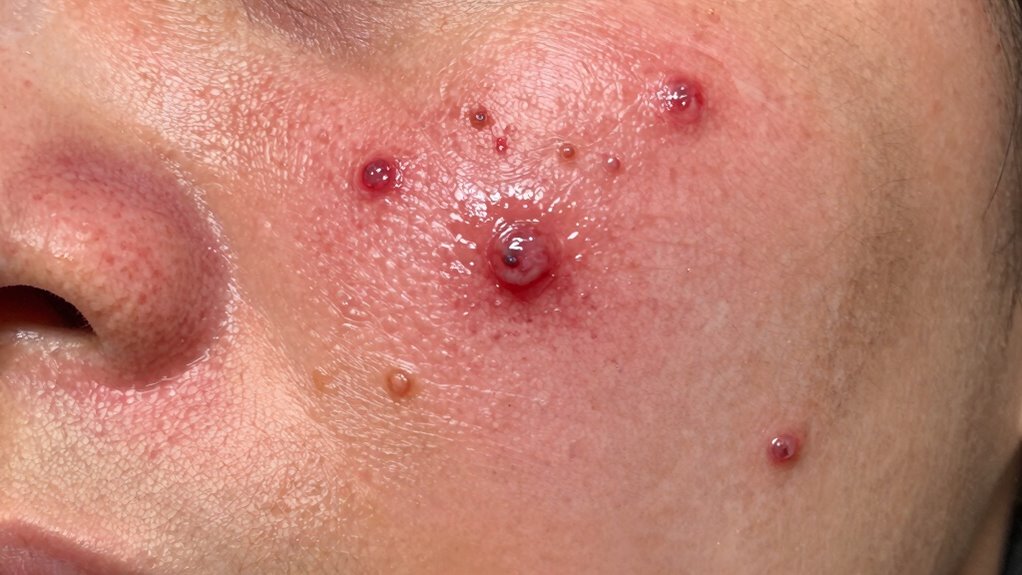
When your acne becomes highly inflamed or severe, patching can do more harm than good. Severe inflammation indicates your skin is already irritated and sensitive, making it vulnerable to further damage. Patches may trap heat and bacteria, worsening inflammation and delaying healing. If you notice open lesions or raw areas, patching can cause irritation or introduce infection. Trying to cover severe or inflamed spots might seem helpful, but it often intensifies redness, swelling, and discomfort. Instead, focus on gentle treatments that reduce inflammation and promote healing. Avoid patching until your skin calms down and the lesions are no longer open or raw. Patience is key—pushing a patch on inflamed or severely affected skin can prolong recovery and lead to scarring. Recognizing skin irritation signs can help prevent aggravating the condition further. Additionally, understanding inflammatory response mechanisms can guide you toward appropriate care strategies. Being aware of proper skin care techniques can further support healing and prevent worsening of the condition. When inflammation is severe, immune response can be heightened, making gentle care essential to avoid exacerbating the problem.
Signs of Open or Weeping Lesions : Leave Them Alone
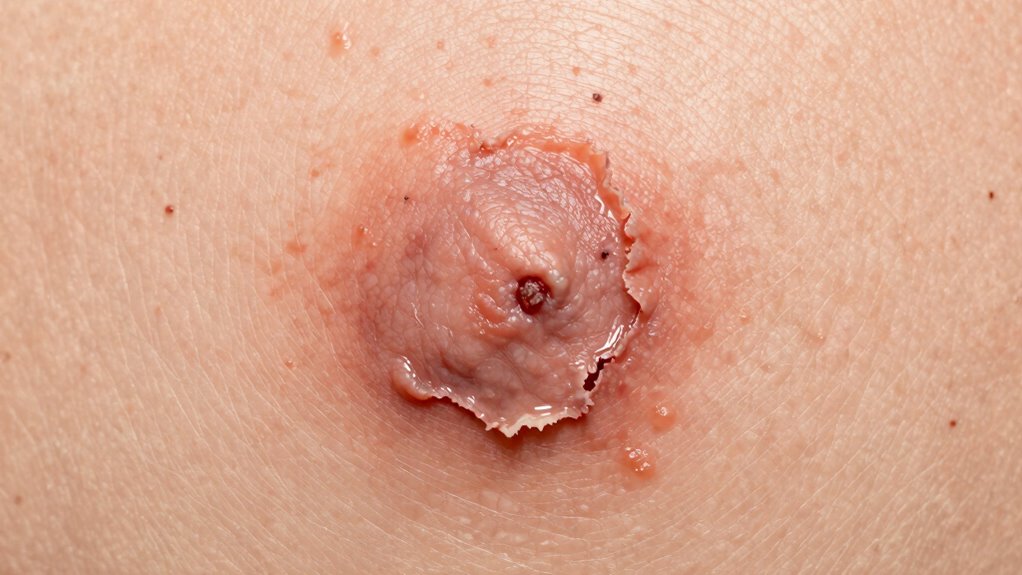
If you notice open or weeping lesions on your skin, it’s best to leave them alone. Open lesions and weeping sores indicate a compromised skin barrier and active inflammation. Patching these areas can trap bacteria or irritants, risking infection or further irritation. Weeping sores often release fluid, which can spread bacteria or cause additional skin damage if sealed under a patch. Trying to cover or treat these lesions prematurely may prolong healing or worsen the condition. Instead, allow your skin to breathe and heal naturally. Keep the area clean and avoid picking or irritating the lesions. Patch only when the skin has fully closed and the open or weeping sores have healed to prevent complications.
Is It Safe to Patch Near Sensitive Areas Like Your Eyes or Mouth?
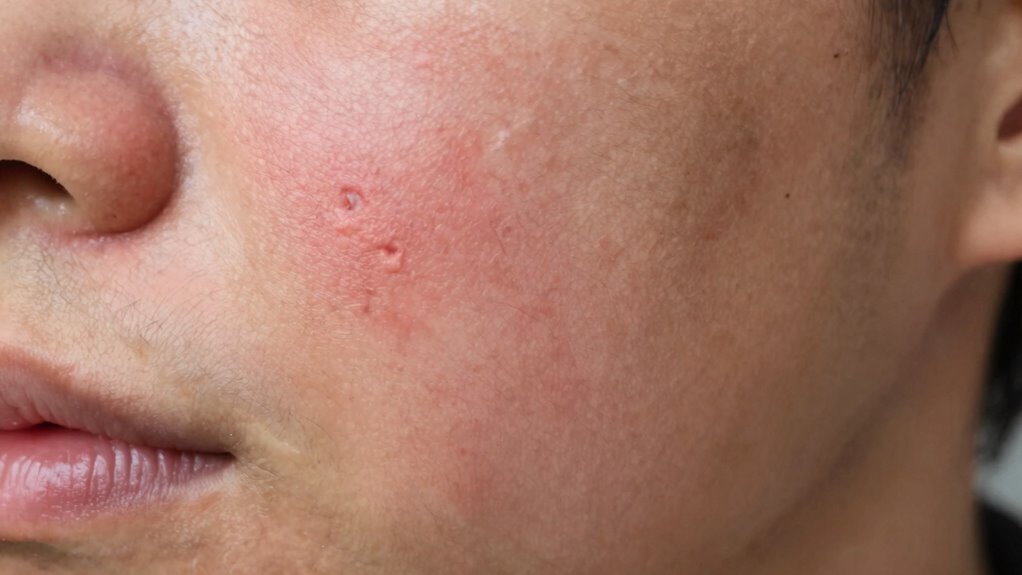
Patching near sensitive areas like your eyes or mouth requires extra caution, especially after dealing with open or weeping lesions. These areas are more vulnerable, making patching safety a top concern. Using patches near sensitive areas can risk irritation, infection, or accidental transfer of bacteria. If your skin is broken or inflamed, patching can trap moisture and bacteria, worsening the issue. Always assess the condition of your skin before patching, and avoid covering areas where the skin is compromised. For delicate zones like your eyes or mouth, it’s better to consult a dermatologist or skip patching altogether. Protecting sensitive areas is vital to prevent complications and guarantee proper healing. When in doubt, err on the side of caution and prioritize skin safety. Additionally, avoiding patching in these regions helps prevent unnecessary irritation or damage caused by improper application or materials. Considering skin integrity before patching can significantly reduce the risk of adverse effects. Being aware of potential complications can further guide safer decisions regarding patching near sensitive areas. Incorporating proper hygiene practices can also help minimize infection risks associated with patching in these zones. Taking extra precautions with patching techniques can further support safe healing and reduce the chance of adverse reactions.
Why You Should Avoid Patching After Recent Skin Treatments or Allergic Reactions
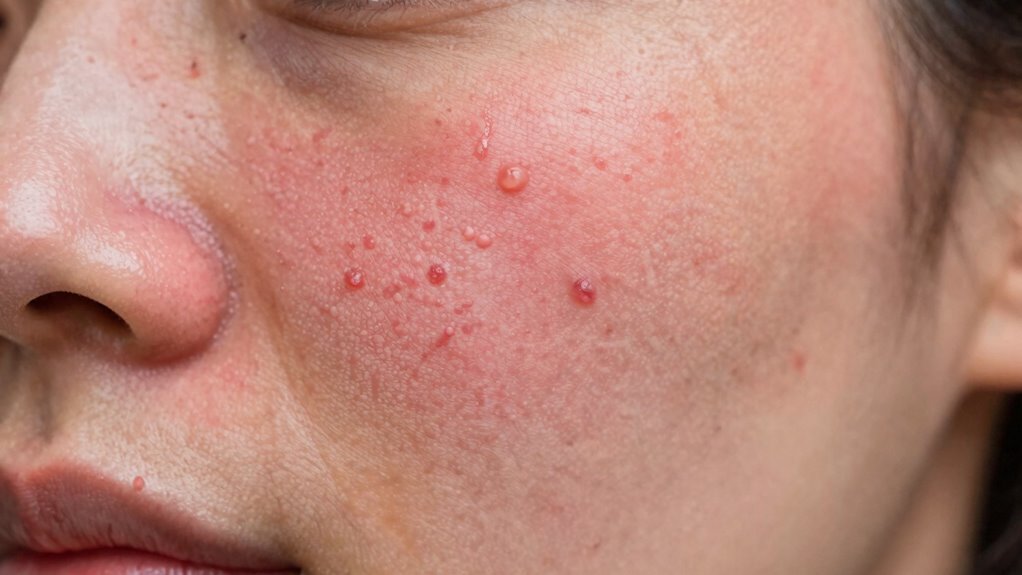
After recent skin treatments or allergic reactions, your skin becomes more sensitive and prone to irritation. Patching at this stage can interfere with healing and increase discomfort. It’s best to give your skin time to recover before applying anything that might cause further stress. Additionally, avoiding aggressive skincare products during this period helps prevent further complications. Using proper skin care techniques can support your skin’s recovery process and reduce the risk of setbacks.
Skin Sensitivity Concerns
Applying a patch on skin that has recently undergone treatments or experienced an allergic reaction can worsen irritation and delay healing. Your skin’s sensitivity is heightened, making it more prone to patch allergy and further inflammation. Patches can trap heat and moisture, intensifying irritation and possibly causing new breakouts or redness. When your skin barrier is compromised, applying a patch could introduce irritants or allergens, worsening existing issues. Even if the patch seems harmless, it might exacerbate your skin’s vulnerability, prolonging recovery. It’s best to give your skin time to heal naturally before considering any patching. Additionally, understanding skin barrier function can help you better protect your skin during this recovery phase. Being aware of skin barrier repair strategies can further support your skin’s healing process. Avoid patching during this delicate period to prevent additional discomfort, allergic reactions, or worsening of your skin’s condition.
Healing Time Considerations
When your skin has recently undergone treatments or experienced an allergic reaction, it needs time to fully recover before you consider patching. Patching misconceptions often lead people to believe they can mask issues immediately, but the healing timeline varies based on the severity of the reaction. Patching too soon can trap irritants, prolong inflammation, and delay healing. Your skin needs time to repair its barrier and reduce sensitivity, so rushing into patching can worsen the condition. Give your skin adequate time—usually several days—to heal naturally. Recognizing the importance of patience helps prevent further damage and ensures that any underlying issues resolve properly. Additionally, skin barrier recovery is crucial for restoring health and preventing complications. Proper skin recovery is essential to restoring health and preventing complications, and understanding the healing process can help guide the right timing for intervention. Remember, ignoring the healing process can backfire, making your skin more vulnerable to future reactions or breakouts. Being mindful of skin barrier health supports long-term resilience and optimal healing.
Risk of Irritation
Patching skin too soon after recent treatments or an allergic reaction can substantially increase the risk of irritation. Your skin is already sensitive and vulnerable, and applying a patch can trap moisture or irritants, worsening skin irritation or triggering further allergic reactions. If your skin has recently experienced an allergic reaction, patching may intensify redness, swelling, or discomfort. Similarly, after treatments like chemical peels or laser therapy, your skin needs time to recover; patching too early can interfere with healing and exacerbate irritation. It’s best to wait until your skin has fully calmed and healed before considering patching. Doing so helps prevent unnecessary skin irritation and reduces the risk of aggravating allergic reactions, promoting healthier, more resilient skin.
How Over-Patching Can Worsen Acne and Cause Scarring

Over-patching your skin can damage your skin barrier, making it more vulnerable to irritation and breakouts. This increases inflammation, which can worsen acne and lead to scar formation over time. Using too many patches can do more harm than good, so it’s best to patch wisely. For optimal skin health, consider the benefits of glycolic acid in skincare, which can improve skin texture and reduce the appearance of scars when used appropriately. Incorporating skincare product effectiveness and consistency into your routine can also help reinforce your skin’s health and resilience over time. Additionally, understanding skin barrier function can help you make better decisions about patching and other skincare practices. Supporting your skin with holistic health practices rooted in natural and traditional methods can further enhance healing and prevent damage.
Skin Barrier Disruption
Applying too many patches or harsh treatments can weaken your skin’s natural barrier, making it more vulnerable to damage. When patches aren’t compatible with your skin or clash with other products, they can cause irritation and disrupt the barrier’s integrity. Poor patch compatibility or unexpected product interactions may lead to increased dryness, redness, and sensitivity, all signs of a compromised skin barrier. This lack of proper skin care practices can further contribute to barrier disruption. Additionally, neglecting to use appropriate carrier oils for soothing or healing treatments may hinder recovery. This disruption allows bacteria and pollutants to penetrate more easily, worsening breakouts and increasing the risk of scarring. Over-patching can also strip away essential lipids and moisture, further weakening your skin’s defenses. To protect your skin, choose patches carefully, ensure they suit your skin type, and avoid layering too many products that might interfere with each other’s effectiveness.
Increased Inflammation Risk
When you layer too many patches or use harsh treatments, your skin’s inflammation can escalate. This inflammation exacerbation triggers a heightened immune response, which can worsen your breakout instead of healing it. Over-patching irritates the skin, making it more sensitive and inflamed, prolonging healing time. The increased immune activity can lead to redness, swelling, and discomfort, creating a vicious cycle that intensifies the breakout. Instead of calming your skin, excessive patching signals your immune system to attack, further damaging tissue. This heightened inflammation not only makes pimples more noticeable but also risks setting the stage for future issues. To avoid this, use patches judiciously and prioritize gentle, targeted treatments that support your skin’s natural healing process.
Scar Formation Potential
If you layer patches excessively or use harsh treatments on your skin, you increase the risk of scarring from acne. Over-patching can damage your skin’s tissue regeneration process, leading to more pronounced scar formation. When your skin is repeatedly irritated or inflamed, it struggles to heal properly, which can deepen scars or create new ones. Patches that are too aggressive or used improperly can strip away healthy tissue, disrupting natural healing and prolonging inflammation. This impairs your skin’s ability to repair itself efficiently, making scars more likely. To minimize scar formation potential, use patches thoughtfully, avoid overdoing it, and choose gentle, skin-friendly options that support tissue regeneration rather than hinder it.
When Patching Might Spread Bacteria or Infection
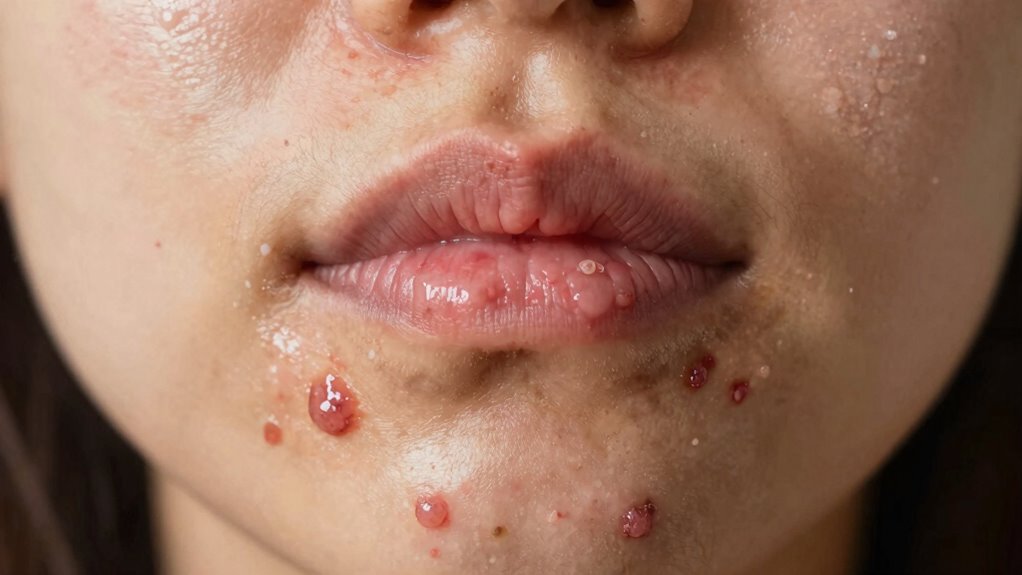
Patching a breakout can sometimes do more harm than good if the area isn’t properly cleaned or if the infection is highly contagious. When you apply a patch over a breakout with bacterial contamination, you risk trapping bacteria inside, which can worsen the infection or cause it to spread. This increases the infection risk, especially if the skin is broken or inflamed. Using unclean patches or touching the area with unwashed hands can introduce additional bacteria, making matters worse. If the breakout is infected, patching it can seal in bacteria and moisture, promoting bacterial growth and prolonging healing. Always verify the area is thoroughly cleaned and dry before considering a patch, and avoid patching if you suspect bacterial contamination.
Do I Need to See a Dermatologist Before Patching a Breakout?
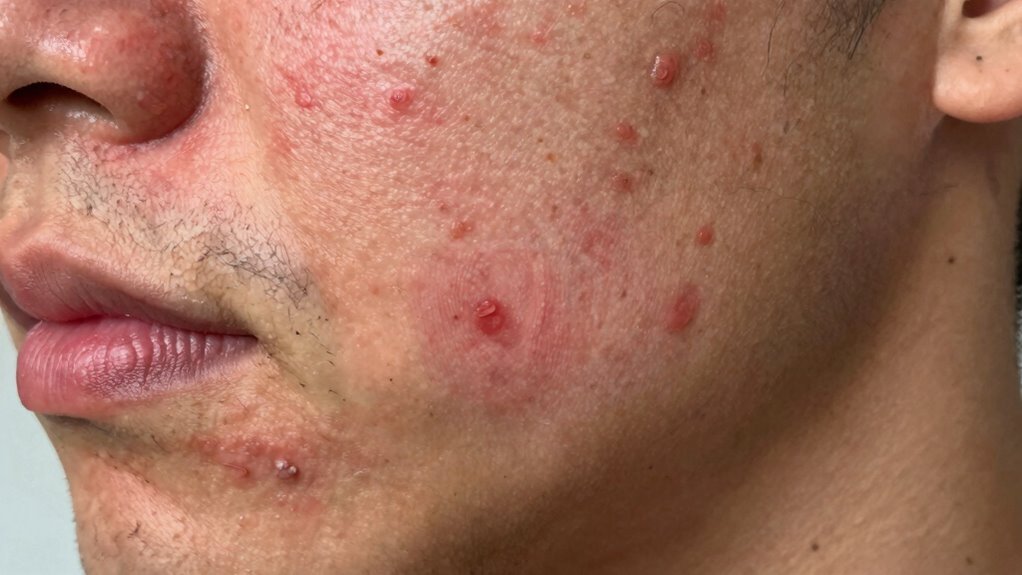
Seeing a dermatologist before patching a breakout can help prevent complications and guarantee proper treatment. A professional consultation ensures you follow correct patching guidelines tailored to your skin type and breakout severity. If you skip this step, you risk worsening your skin or missing underlying issues.
Ask yourself:
| Am I certain about the cause? | Do I know the right patching techniques? |
|---|---|
| Is my skin reacting negatively? | Could my breakout be something serious? |
A dermatologist’s advice can save you time, discomfort, and potential scarring. Don’t guess—get a professional opinion to make sure patching is safe and effective for your skin’s unique needs.
Frequently Asked Questions
Can Patching Acne Cause Long-Term Skin Damage?
Patching acne generally won’t cause long-term skin damage if done properly, but improper patching can lead to irritation or scarring. If you’re patching scars, make sure you use suitable products to avoid worsening your skin. Over time, incorrect patching might cause long-term effects like hyperpigmentation or additional scars. Always follow dermatologist advice and avoid aggressive products to minimize risks and protect your skin’s health in the long run.
Are There Natural Remedies Instead of Patching for Breakouts?
Think of your skin as a garden needing gentle care. Instead of patching breakouts, you can try home remedies and natural treatments like honey masks, tea tree oil, or aloe vera. These options nurture your skin, helping to heal without harsh chemicals. By embracing these natural remedies, you allow your skin to recover naturally, much like tending to a garden helps plants flourish without artificial additives.
How Often Should I Replace Acne Patches to Avoid Infection?
You should replace your acne patch daily to prevent infection and guarantee effective healing. The patch lifespan is typically one day, and reuse isn’t recommended because it can harbor bacteria. If you notice the patch is lifting or dirty, change it sooner. Regular replacement minimizes the risk of irritation and keeps your skin safe. Always follow the manufacturer’s instructions for patch lifespan and avoid patch reuse for the best results.
Do Certain Skincare Ingredients Interact Negatively With Patches?
Think of your skin as a delicate dance floor—certain ingredients can trip over each other, causing chaos. Some skincare ingredients, like certain acids or retinols, can disrupt patch compatibility and lead to irritation or reduced effectiveness. To keep your routine harmonious, avoid combining strong actives with patches unless you’re sure they’re compatible. Always check ingredient interactions to prevent unwanted surprises and protect your skin’s health.
Can Patching Be Effective on Cystic or Hormonal Acne?
Patching can be effective on cystic or hormonal acne, especially if you use targeted patches containing ingredients like salicylic acid or benzoyl peroxide. Just like choosing the right facial cleansers, selecting patches suited for deeper breakouts helps prevent further irritation. Keep your skin clean, avoid harsh hoop earrings that can cause irritation, and apply patches on clean, dry skin for best results. Consistency is key to seeing improvements.
Conclusion
Remember, knowing when not to patch your skin is like heeding the siren’s call—sometimes it’s better to resist. Ignoring red flags can turn your breakout into a battle worse than Hercules facing the Hydra. Trust your instincts, avoid patching inflamed or open lesions, and consult a dermatologist when unsure. Your skin’s story is unique; listen carefully, and you’ll keep it clear and healthy, avoiding the pitfalls of a misguided quest for perfect skin.
Halloween Picks
halloween
As an affiliate, we earn on qualifying purchases.