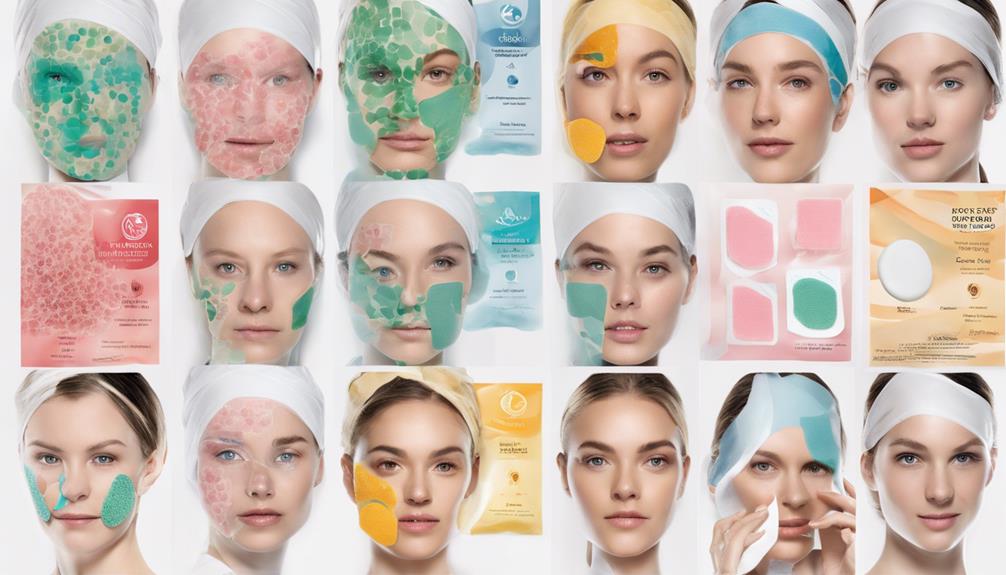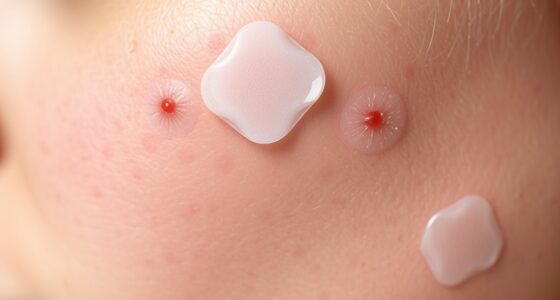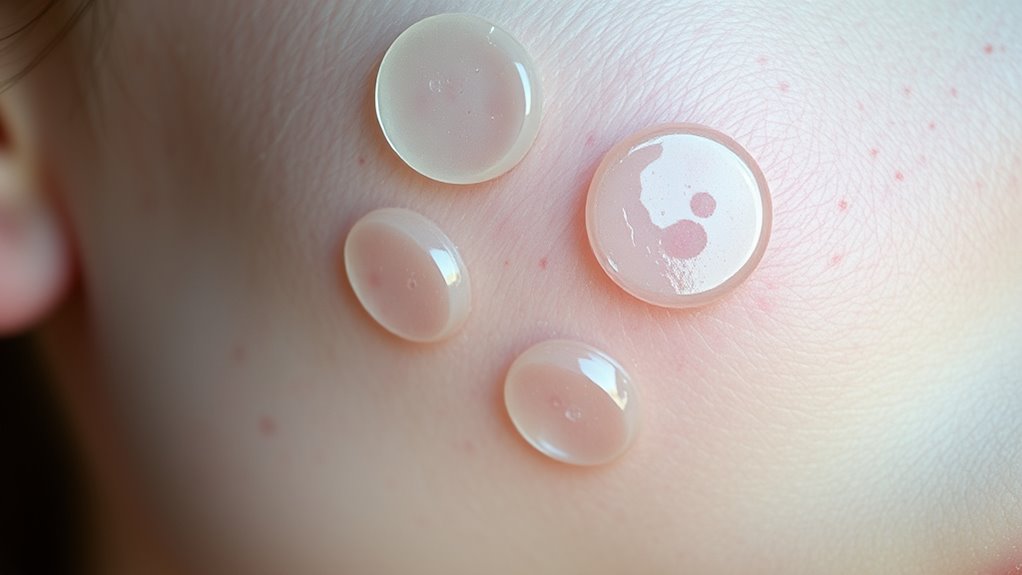

Acne patches aren’t just fancy bandages; they’re advanced skincare tools designed to target blemishes directly. Unlike regular bandages, they create a sealed environment that improves medication absorption, fights bacteria, and reduces inflammation. They also prevent picking, lowering the risk of scarring. While they do protect your skin, their real power lies in delivering active ingredients efficiently. Curious about how these patches can work better than simple bandages? Keep exploring to discover more.

Get beauty and skincare favorites delivered free with Prime
- Fast, free delivery on millions of items
- Prime Video, Amazon Music and more included
- Member-only deals all year
Key Takeaways
- Acne patches deliver active ingredients directly to blemishes, unlike regular bandages that mainly cover wounds.
- They create a sealed environment to enhance medication absorption, which bandages typically do not provide.
- Acne patches target deep pores for treatment, whereas bandages simply protect the skin surface.
- They contain specialized ingredients like salicylic acid or tea tree oil to actively combat acne, unlike standard bandages.
- Acne patches support healing and prevent picking, serving a therapeutic role beyond just covering the skin.
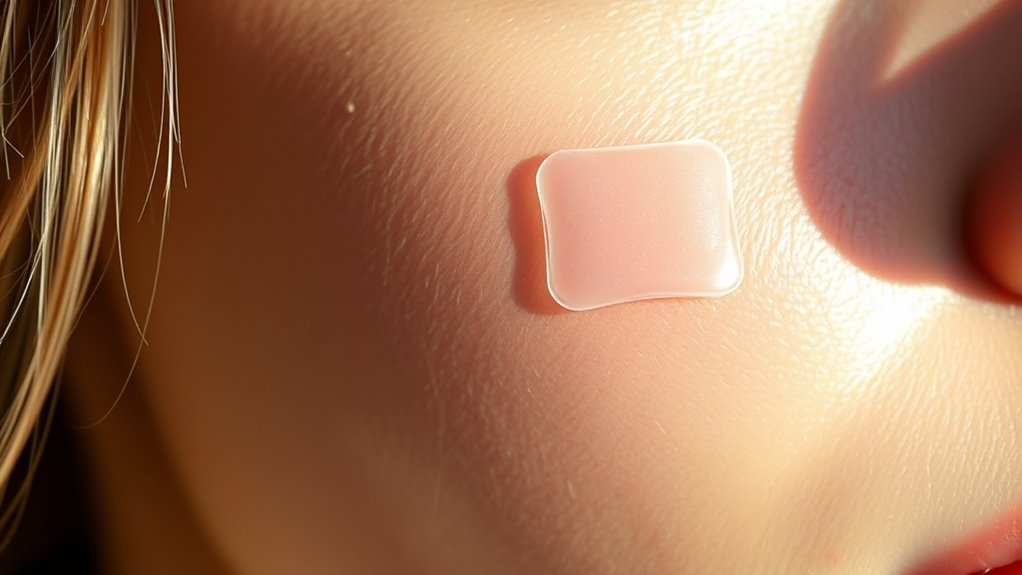
Many people assume that acne patches are just fancy bandages, but they actually serve a purpose beyond covering blemishes. These small, medicated stickers are designed to improve your skin’s healing process by delivering active ingredients directly to the affected area. Unlike traditional topical treatments that require you to apply cream or gel and wait for absorption, acne patches create a sealed environment that enhances drug absorption. This targeted delivery ensures that the medication penetrates deeply into the pore, fighting bacteria and reducing inflammation more effectively. When you place a patch over a pimple, it acts as a barrier, concentrating the treatment where it’s needed most and preventing you from picking at the spot, which can worsen inflammation and cause scarring. Additionally, they can help protect the skin from external irritants and reduce the likelihood of infection during the healing process.
However, some concerns about skin irritation do come up. Because acne patches deliver active ingredients directly onto your skin, they can sometimes cause irritation, especially if you have sensitive skin or are allergic to certain components like hydrocolloid, salicylic acid, or tea tree oil. The adhesive used to keep the patch in place might also trigger irritation or allergic reactions in some individuals. That’s why it’s important to choose patches formulated for sensitive skin, and to do a patch test before applying it to your entire face. If you notice redness, itching, or discomfort, it’s wise to remove the patch and consult a dermatologist.
Another advantage of acne patches is that they help control drug absorption in a way that minimizes side effects. Because the medication is localized, it doesn’t get absorbed into your bloodstream in significant amounts, reducing the risk of systemic side effects that some topical treatments might cause. This targeted approach allows you to get the benefits of powerful ingredients without exposing your entire body to unnecessary chemicals. Plus, since the patch acts as a physical barrier, it also prevents dirt, bacteria, and excess oil from entering the pore, which can contribute to further breakouts. Using proper skin care techniques alongside patches can further improve healing and prevent future blemishes.
medicated acne patches for deep blemishes
As an affiliate, we earn on qualifying purchases.
As an affiliate, we earn on qualifying purchases.
Frequently Asked Questions
Do Acne Patches Work on Cystic Acne?
You wonder if acne patches work on cystic acne. While they can help treat surface pimples, their patch effectiveness on cystic acne is limited because cysts are deep-seated and inflamed. For cystic acne treatment, you might need stronger options like topical or oral medications prescribed by a dermatologist. Acne patches won’t eliminate cysts but can reduce surface inflammation, making them a helpful addition to your skincare routine.
Can Acne Patches Cause Skin Irritation or Allergies?
You might worry that acne patches could irritate your skin or trigger allergies, especially if you have ingredient sensitivity. While most patches are designed to be gentle, some ingredients can cause reactions, and patch durability varies, exposing your skin to potential irritants longer. Always check the ingredients and do a patch test first. If irritation occurs, discontinue use and consult a dermatologist to find the best solution for your skin.
How Long Should I Leave an Acne Patch On?
You should leave an acne patch on for 6 to 8 hours or overnight, depending on the product instructions. This allows the hydrocolloid benefits to work effectively, drawing out impurities and reducing inflammation. For patch application tips, make sure your skin is clean and dry before applying. Avoid touching or removing the patch prematurely, as it maximizes healing and prevents irritation. Follow the specific instructions for best results.
Are There Any Side Effects From Using Acne Patches?
Wondering about side effects from acne patches? You might notice some irritation or redness, especially if your skin is sensitive. Poor adhesive quality could cause patches to peel prematurely, reducing product longevity and effectiveness. While rare, allergic reactions are possible if you’re allergic to ingredients like hydrocolloid or adhesives. Always patch test first and follow instructions to minimize risks, ensuring your skin stays safe and your acne treatment stays successful.
Can Acne Patches Prevent Future Breakouts?
Acne patches can help prevent future breakouts by promoting pore cleansing and oil absorption. When you apply a patch, it draws out excess oil and impurities, reducing the likelihood of clogged pores that lead to pimples. Regular use helps keep your skin clearer and minimizes the chance of new blemishes forming. While they’re not a complete solution, acne patches are a useful tool in your skincare routine to maintain healthier skin.
Conclusion
So, next time you reach for that acne patch, remember—there’s more happening beneath the surface than just a bandage. While they might look simple, these patches pack powerful ingredients designed to target your blemishes from within. Could there be even more secrets they’re hiding? The truth might surprise you, and understanding what makes them work could change your skincare game forever. Ready to uncover the real deal behind these tiny wonders? The answer might just be worth the wait.
Halloween Picks
halloween
As an affiliate, we earn on qualifying purchases.