TL;DR

Get beauty and skincare favorites delivered free with Prime
- Fast, free delivery on millions of items
- Prime Video, Amazon Music and more included
- Member-only deals all year
Glamour UK reports a growing preference for relaxed, less coordinated outfits over the polished looks associated with clean-girl and quiet-luxury aesthetics. The shift is described as a fashion mood rather than a defined dress code, with comfort and personal style at its center. How widespread it is beyond fashion coverage and street-style examples is not established.
Glamour UK reports a shift toward relaxed, less coordinated dressing, which it calls “anti-fashion,” as an alternative to polished looks associated with clean-girl and quiet-luxury aesthetics. The report points to baggy basics, unexpected layers and mismatched pieces as examples, but the term describes a broad style mood, not a formally defined trend with measured reach.
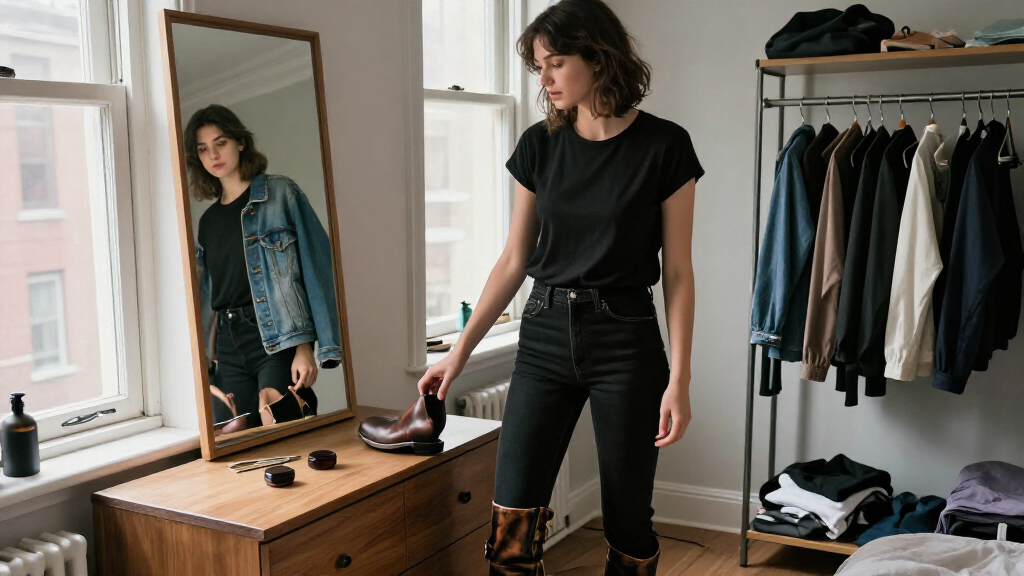
The report’s central observation is that more outfits are being styled to look lived-in rather than carefully perfected. Examples include loose trousers with an oversized shirt, sweatpants with a statement coat, or a casual T-shirt paired with a skirt that seems to belong to a different occasion. The emphasis is less on buying a specific item than on relaxing the rules for putting clothes together.
Trend forecaster Flo Palmer, quoted by Glamour UK, links the undone look to references from the 1990s and the 2010s indie-sleaze period. Palmer says it appeared on runways for spring/summer 2024, including at Miu Miu, and describes later seasons as moving away from what she calls “clean girl perfection” toward “intentional chaos.” That is Palmer’s account of the aesthetic’s development, rather than evidence that all designers or consumers have adopted it.
The article also identifies Gen Z’s loose, cross-subculture approach to styling as part of the longer-running influence. It describes that look as having evolved from baggy, skater-inspired outfits into combinations of casual basics, worn-in trainers and more formal or statement pieces. Celebrity street-style examples, including Jennifer Lawrence and Zoë Kravitz, illustrate the report’s point; they are examples, not a survey of how people generally dress.
Comfort Replaces Perfect Coordination
The shift matters because it changes the standard by which an outfit is judged. Rather than treating a polished, coordinated appearance as the goal, this approach presents comfort, ease and individual choices as reasons to wear clothes a certain way. That can make familiar basics feel current without requiring a head-to-toe trend-driven wardrobe.
Palmer tells Glamour UK that consumers are tired of seeing quiet luxury and clean-girl aesthetics repeated, particularly as minimalist looks have been duplicated across high-street fashion. She argues that shoppers want more personality and craft. Those points are attributed to a trend forecaster; the report does not provide consumer polling or sales figures to measure the scale of dissatisfaction.
For readers, the practical implication is modest: “anti-fashion” need not mean extreme or expensive clothing. The examples in the report rely on styling familiar pieces differently—wearing a slouchier fit, layering outerwear, or mixing prints and styles. Its appeal may lie in loosening expectations, though that does not establish that the look is accessible or desirable for everyone.
As an affiliate, we earn on qualifying purchases.
From Runway Undone to Everyday Wear
The article traces the aesthetic to several overlapping references rather than a single launch or announcement. Palmer points to Miu Miu’s spring/summer 2024 runway as a prominent early example of undone styling. The report also recalls the “frazzled English woman” look associated with 2024, including overfilled bags and deliberately disordered clothing details.
That runway influence followed a period when clean-girl styling and quiet luxury were highly visible fashion references. Glamour UK argues that repeated, simplified versions of those aesthetics on the high street helped create appetite for something less uniform. The source presents this as an interpretation of fashion’s recent direction, not a documented causal finding.
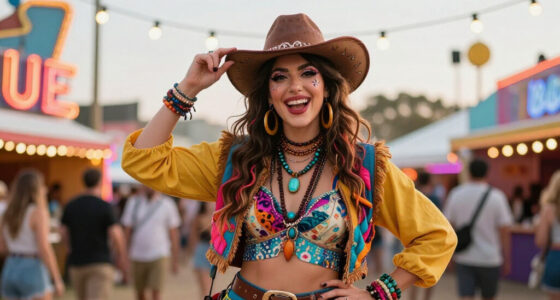
The term “anti-fashion” can be misleading if taken to mean rejecting fashion altogether. In the report, it refers to wearing clothes with less concern for polish or matching, while still drawing on current and historical influences. Palmer says the approach can work across aesthetics such as Western, boho and grunge, with the common thread being choices that feel personal.
““The undone look is inspired by the 1990s and indie sleaze 2010s.””
— Flo Palmer, trend forecaster, quoted by Glamour UK
How Broad Is the Shift?
The report describes a visible mood through runway references, celebrity outfits and street-style examples, but it does not establish how many consumers are adopting it. No polling, retail sales data or other measure of prevalence is provided. It is also unclear whether the shift will persist across seasons or remain one strand among several competing aesthetics.
“Anti-fashion” is used broadly and does not identify a single set of garments or rules. The examples range from baggy basics to clashing prints and layered outerwear, so readers should treat the label as an editorial description, not a standardized industry category. Palmer’s comments are an expert interpretation, not a statement of consensus across the fashion sector.
Whether the Look Lasts
The report does not announce a product launch, policy change or upcoming event. The next useful indicators will be how designers style later collections, whether retailers continue to emphasize relaxed fits and unexpected combinations, and whether consumer data supports the reported change in mood. Until then, the evidence presented is best read as a fashion report on visible styling signals, not proof of a universal turn against polished dressing.
For now, the practical idea is to adapt the approach to existing preferences: a familiar T-shirt can be worn looser, a casual outfit can take a more formal coat, or pieces from different styles can be combined. The report’s message is not that everyone must dress alike in a new way, but that personal comfort and contrast can take precedence over perfect coordination.
Key Questions
What does “anti-fashion” mean in this report?
Glamour UK uses the term for relaxed, less polished dressing, including loose basics, layered clothes and combinations that do not match in a conventional way. It is a broad description, not a fixed dress code.
Why does the report say the look is gaining attention?
Trend forecaster Flo Palmer links it to fatigue with clean-girl and quiet-luxury looks, which she says have been widely repeated on the high street. That explanation is Palmer’s assessment; the article does not include consumer research measuring the shift.
When did this styling direction appear on runways?
Palmer says the undone look was visible in spring/summer 2024 collections, particularly at Miu Miu, and connects it to 1990s and 2010s indie-sleaze references.
Do people need to buy new clothes to try it?
No. The report describes changing how familiar pieces are worn—for example, using looser fits, layering outerwear or pairing casual and dressier items. Its examples focus on styling choices rather than a required shopping list.
Is anti-fashion now the dominant fashion trend?
The source does not establish that. It presents anti-fashion as a visible current mood and provides runway and street-style examples, but no data showing how widespread it is or whether it outweighs other styles.
Source: rss
Fall Picks
fall essentials
As an affiliate, we earn on qualifying purchases.