TL;DR

Get beauty and skincare favorites delivered free — and shop member deals
- Fast, free delivery on millions of items
- Access to Prime Big Deal Days deals on October 6–7
- Prime Video, Amazon Music and more included
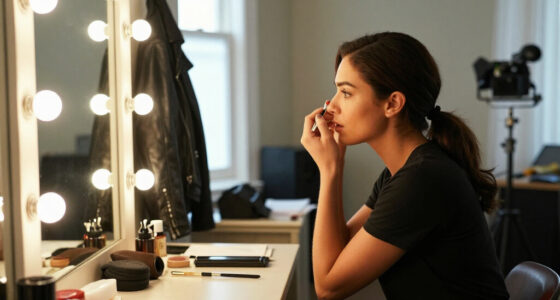
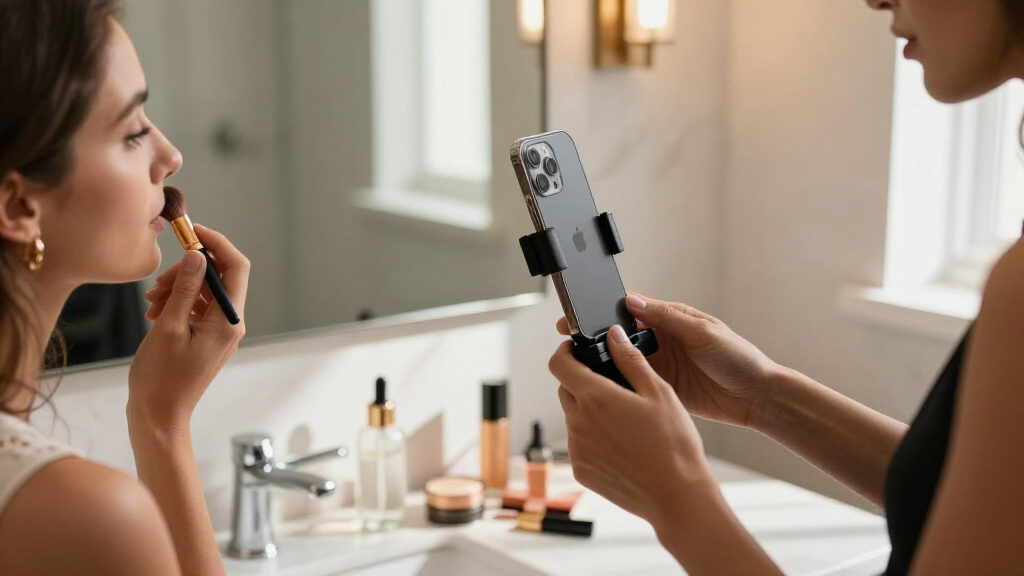
The best phone gimbal for beauty videos is the one that fits your phone and makes your usual shots easier: choose dependable tracking for moving demonstrations, simple controls for solo filming, and a tripod for a fixed makeup station. Compare the Hohem iSteady M7, DJI Osmo Mobile 7P, Hohem iSteady M6, and iSteady M6 Kit by use case, then check current compatibility, app support, included accessories, and runtime before buying.
Your hands can be perfectly steady and still produce a beauty video that wobbles when you reach for a brush, step toward the mirror, or show a product close-up. A phone gimbal can steady those moving shots, but it cannot rescue dim lighting, missed focus, or a frame that cuts off your hands.
If you are shopping for the best phone gimbal for beauty videos, start with the clips you actually make. A seated makeup tutorial, a moving hair demonstration, and a salon tour ask for different tools. This guide explains what a gimbal does, compares four current alternatives by practical use case, and shows how to check phone fit, tracking, app controls, and accessories before choosing.
One product in this replacement-shopping context is the AOCHUAN Smart V8, described as a three-axis phone gimbal with AI tracking and an extension rod. Its current product status may vary, so this article does not assume that it is discontinued or available. Instead, it focuses on alternatives and the features that matter for your workflow, without relying on unverified shared specifications.
Choose a gimbal for moving shots and tracking; a tripod often suits a fixed makeup tutorial better.
Check whether tracking works in the camera app you plan to use, especially if you rely on specific audio or recording controls.
Verify compatibility with your phone, case, lens, and microphone together—not just with the phone by itself.
A gimbal steadies movement but does not add magnification, guarantee focus, or replace soft, well-placed lighting.
Compare the Hohem iSteady M7, DJI Osmo Mobile 7P, Hohem iSteady M6, and iSteady M6 Kit by current specifications, app support, and actual bundle contents.
Know what a gimbal can—and cannot—fix in a beauty video
A phone gimbal is a motorized stabilizer that helps keep smartphone footage smooth while you move; for beauty videos, it is most useful for controlled pans, walking shots, and demonstrations that shift around the frame. A three-axis model corrects movement across pan, tilt, and rotation, while your phone’s own camera stabilization handles some movement too. These systems help with different kinds of shake, so a gimbal is a tool for movement—not a magic image-quality switch.
Think of the gimbal as a steady camera operator for your hand, not a makeup artist or lighting crew. If you film a lipstick swatch while walking from your vanity to a window, the gimbal can smooth your steps. It will not make the lipstick’s color look true under a yellow bulb, and it cannot guarantee that the phone focuses on the product instead of your face.
That distinction matters because beauty footage asks for both motion and detail. A moving salon tour benefits from stable pans; a close-up of eyeliner needs good light, a reliable focus point, and careful distance from the lens. A gimbal does not add magnification, so it cannot replace a macro lens or a phone camera that can focus at close range.
Smartphone cameras have improved their built-in stabilization and autofocus, making a gimbal less necessary for a static tutorial. Yet a phone resting on a desk cannot follow you smoothly as you step aside to show a hairstyle. Research notes that gimbals can help with deliberate moving shots and consistent framing, while lighting, framing, focus, and audio continue to shape the finished video [1].
Use a gimbal for movement; use a tripod, soft light, and focus control for a stationary close-up.
For example, imagine filming a five-minute foundation routine from one chair. A tripod may be simpler, quieter, and easier to frame than a motorized rig. If you add a short opening shot that glides across your product shelf, the gimbal earns its place for that moving clip, not necessarily for every take.
phone gimbal stabilizer for beauty videos
As an affiliate, we earn on qualifying purchases.
As an affiliate, we earn on qualifying purchases.
Choose your gimbal by the beauty videos you actually film
The best phone gimbal for beauty videos depends on the shot you make most often, not on the longest feature list. A solo creator who walks through a salon needs dependable tracking and easy reframing; someone filming seated tutorials may value fast mounting and simple controls more. Start by matching the tool to a real filming day, then compare models.
These four alternatives fit the replacement-shopping context, but the supplied product information does not support a safe shared-specification comparison. Treat the table as a use-case guide, not a promise that one model has a particular runtime, phone payload, tracking method, or accessory in the box. Product bundles and app support can differ by version and region, so check the exact listing and manufacturer details.
| Model | Best starting point | Check before choosing |
|---|---|---|
| Hohem iSteady M7 | Creators comparing a feature-oriented setup for varied shots | Exact phone compatibility, tracking workflow, included controls and accessories |
| DJI Osmo Mobile 7P | Creators interested in a phone-filming kit and a familiar handheld workflow | What the named bundle includes, app functions, audio setup, and phone fit |
| Hohem iSteady M6 | Creators who want to compare a gimbal-only option for regular filming | Current model specifications, mounting, app support, and needed add-ons |
| Hohem iSteady M6 Kit | Creators comparing a bundled setup against buying accessories separately | Kit contents, accessory compatibility, and whether the extras suit your shoots |
The model names alone do not settle the choice. For instance, a creator who already owns a light and tripod may prefer a simpler kit, while someone filming in several rooms may appreciate useful accessories—if the included pieces genuinely fit the setup. Do not pay attention to a bundle label alone; inspect its contents.
Think about your most common 30-second clip. If it shows you speaking to camera while blending blush, you need stable framing and enough room for your hands. If it follows you from the vanity to a window for a before-and-after reveal, smooth movement and tracking become more useful. That small distinction can save you from buying complex features you rarely use.
Because the AOCHUAN Smart V8’s current status may vary, these alternatives are starting points rather than guaranteed replacements with matching specifications. Compare them for your needs, then verify current details directly before purchase. A model that suits your filming style but does not fit your phone is not a useful substitute.
Get smoother moving shots with the right tracking and framing
The best phone gimbal for beauty videos needs tracking only if your filming style asks the camera to follow you. Subject tracking can help keep your face or body framed as you move, but support varies by model, phone, app, and recording mode. Confirm exactly where tracking works before you build your whole workflow around it.
For a hair tutorial, tracking can be handy when you turn to show the back of a braid, step toward the camera, or shift to the other side of a styling station. For a seated brow tutorial, you may not move enough to need it. In that case, carefully setting the frame once can feel more reliable than asking a motor to follow every small shift.
Check whether the feature works in the phone’s native camera app or requires the maker’s companion app. Some apps offer tracking, templates, gesture controls, or editing tools, but may handle camera and audio options differently from the default camera. If you depend on a specific recording resolution, exposure control, or external microphone, test that exact combination before filming a batch of paid content.
Tracking can lose you if your face disappears behind a raised hand, you turn fully away, or the room is too dim. Beauty work often puts a brush, hair dryer, or product between you and the phone. A good test is to record a short routine with the tool you actually use, rather than waving an empty hand in a bright room and assuming the feature will behave the same way.
Framing matters just as much as tracking. Set the camera far enough back to capture your face, hands, and product without crowding the top of the frame. For example, if you demonstrate mascara, leave space below your chin for your hand and wand; a tightly cropped face may look polished until the key action vanishes at the edge.
Some models offer built-in or detachable controls, but names and bundles do not tell you whether those controls will suit your routine. Check how you start recording, switch orientation, or change framing from your filming position. When you are wearing foundation and holding a brush, a reachable button can be more useful than a menu full of modes.
Set up close-ups, vertical clips, and steady hands without fuss
For close-ups and short-form beauty clips, a useful gimbal workflow keeps the phone securely mounted, the subject in focus, and the frame in the right orientation. Vertical shooting suits many social feeds, while horizontal framing can work better for longer tutorials or a salon tour. Check the actual mount and orientation change with your phone rather than relying on a product name.
- Check the complete phone setup. Weigh and measure your phone with its case and any lens or grip attached, then compare it with the maker’s supported dimensions and payload.
- Mount and balance before recording. Follow the manufacturer’s setup instructions; a heavy case or add-on lens can throw off balance and make motors work harder.
- Choose portrait or landscape framing. Place your hands, face, and product inside the frame, leaving a little room for movement.
- Set focus and exposure. Test a close-up of the actual product or makeup detail, since a steady camera can still focus on the wrong thing.
- Record a short test with your real accessories. Check tracking, audio, lighting, and control access before filming a full tutorial.
That five-step check turns setup into a quick rehearsal rather than a surprise halfway through a shoot. Picture a creator with a phone case, clip-on lens, and small wireless microphone. The phone alone may fit, but the full combination could shift the center of balance or block a control, so testing the whole rig matters.
Close-up work rewards restraint. Put the phone on a tripod or hold the gimbal still, move the product into the light, and tap to focus if your camera supports it. A gimbal may help reduce hand shake, but it will not create macro detail or keep autofocus from hunting when a brush passes in front of your face.
For vertical tutorials, compose with the social crop in mind: keep the face near the upper half, hands in view, and product labels readable. A quick orientation change is useful, but make sure the phone locks securely in portrait mode. A mount that feels slightly loose can turn a smooth demo into a slow, distracting tilt.
Take care with repeated close-range filming under bright lights. If a lamp or fill light feels hot or uncomfortable, move it farther away and take breaks; comfort and a clear view of your work matter more than squeezing every accessory into the frame. The gimbal supports the shot; your setup still does the creative work.
Decide whether a tripod, extension pole, light, or remote earns its place
The best phone gimbal for beauty videos is not always the one with the most extras: a tripod can beat a gimbal for a fixed makeup station, while a pole or remote can help with moving demonstrations. Buy an accessory only when it solves a specific problem in your filming routine. A drawer full of unused gear will not make your next tutorial smoother.
A tripod holds one composition steadily. That is often ideal when you sit at a vanity, speak to camera, and repeat a routine from the same mark. A gimbal helps when you need movement—perhaps a slow product reveal, a walk through your studio, or a shot that follows you between stations. One is a stable perch; the other is a moving dolly for your hand.
An extension pole can raise the camera or create distance for a wider view, depending on the model and setup. That may help when you want to show a full hairstyle or film a room. But extra reach can make the rig less convenient to handle, and every added accessory affects how you balance and position the phone.
A fill light can help brighten a face or product in a dim corner, yet light quality and placement matter more than simply having a lamp attached. Hard light can create shiny highlights on skin or wash out a product label. A soft source placed near the camera may give a more even look, while a separate light stand can offer more control than a light mounted on the gimbal.
A remote is useful if you start recording after taking your position or want to avoid touching the phone between takes. Before choosing a bundle, check whether the remote works with your phone and preferred app. Similarly, a named kit may include accessories that look convenient but do not fit your microphone, case, or existing light.
Here is a practical example: a creator filming a stationary concealer tutorial in a bright room may get more value from a stable tripod and soft window light than from tracking. The same creator filming a salon walkthrough may benefit from a gimbal and remote. If you use essential oils in your filming space for scent, keep them away from eyes, skin, and phone equipment; they do not improve footage, and topical use calls for a patch test and appropriate professional guidance for pre-existing conditions.
Before spending, write down the shot that currently frustrates you. If the problem is shaky walking footage, consider a gimbal. If the problem is a dim face, work on lighting. If you keep cutting off your hands, move the phone back and reframe. Matching the purchase to the real obstacle is a better filter than chasing every accessory.
Check compatibility, battery, and audio before your first full shoot
The best phone gimbal for beauty videos is only a good fit if it supports your complete filming setup, not just your bare phone. Check the manufacturer’s supported phone dimensions and weight, including the case, lens, grip, and anything else attached. Compatibility can change by model and accessory, so verify the exact combination rather than relying on a broad claim about iPhone or Android support.
Balancing matters because motors can struggle when the phone is too heavy or sits unevenly in the clamp. If you add a clip-on lens, a bulky case, or a microphone receiver, the setup can shift. Follow the maker’s instructions, remove accessories if needed, and stop if the motors strain or behave erratically; do not force a fit that feels wrong.
Battery claims should match your filming day, but a manufacturer’s runtime figure is not a guarantee for every creator. Phone weight, frequent movement, tracking, and other active features affect how long a gimbal runs. If you record several tutorials in a row, plan for breaks and charging rather than assuming the published figure will hold under your exact conditions.
Some gimbals can charge a phone, but that convenience depends on the model and setup. A cable can add clutter near the clamp or interfere with movement, so test the connection while the gimbal moves through the range you need. For a long tutorial, an external power plan may be more dependable than discovering a cable snag during a close-up.
Audio deserves the same attention. A microphone mounted on or near the phone may pick up subtle motor noise, handling sounds, or a sleeve brushing the rig. Record a short sample in your quietest filming room and listen with headphones; a little hum that disappears in a noisy salon may stand out in a calm voiceover.
App support is another compatibility check. Advanced tracking or gesture controls may depend on the manufacturer’s app, and that app may not offer every camera or audio setting you use in your native camera. Before buying, confirm your phone’s operating system, the app’s current support, and whether the functions you care about work together. A ten-minute test can save an entire afternoon of reshooting.
Keep the setup simple for your first session: phone, gimbal, one light, and microphone only if you need it. Add the case or lens you plan to use, then test a short clip with a moving hand and a product close-up. If the image, focus, and sound all behave, build from there; if not, change one thing at a time.
Use this five-minute test to choose between the four alternatives
A five-minute filming test reveals whether a gimbal suits your beauty-video workflow better than a product description does. Compare the Hohem iSteady M7, DJI Osmo Mobile 7P, Hohem iSteady M6, and iSteady M6 Kit against the same shots and setup. The point is not to crown a universal winner; it is to see which option makes your real clips easier.
Start with the shot you film most often, such as a seated skincare routine. Check how quickly you can mount your phone, set the frame, and start recording. If setup takes longer than the task deserves, a tripod may be the more practical everyday choice.
Then test one moving shot. Walk a few steps toward the camera while holding a brush or product, turn slightly, and return to your starting spot. Notice whether the tracking keeps you framed, whether the phone stays level, and whether the controls are easy to reach. A demo that works in an open room may behave differently when your hand crosses your face or you stand near a mirror.
Finish with a close-up. Hold a lipstick, serum bottle, or brush where you normally show it, then check focus, glare, and audio. The gimbal can steady the camera, but the phone still decides how close it can focus and the light still shapes the result. If the product label turns into a bright smear, adjust the light before blaming stabilization.
- Confirm fit: use your everyday phone case and accessories.
- Check the controls: start and stop recording from your actual filming position.
- Test tracking: include a hand crossing your face and a small change in position.
- Review the clip: inspect framing, focus, color, and sound on playback.
- Compare the whole setup: count useful included accessories, not just accessory names.
Keep notes in plain language: “easy to mount,” “lost me when I turned,” or “remote helpful from the chair.” That is more valuable than a vague impression after handling a gimbal for a few seconds. If you cannot test in person, use those same points to inspect product specifications, maker guidance, and the return terms before ordering.
Feature sets and product bundles can change over time. The listed model names identify options to compare, not confirmed equivalence to the AOCHUAN Smart V8 or a guarantee about current contents. Check the current manufacturer information and seller listing before you buy, especially if tracking, an extension pole, or a particular remote is the reason you are considering a model.
Avoid the buying mistakes that waste time on set
The most common gimbal buying mistake is choosing features before checking the phone, app, and filming position you already use. A device can list tracking or a light and still fail to solve your real problem if its app does not support your preferred camera workflow or the complete phone setup does not balance. Start with the shot, not the sales language.
Do not assume every tracking feature works everywhere. Some functions may require a companion app, while native camera controls or third-party apps may behave differently. If you record with a wireless microphone, check whether the gimbal app supports the audio route you need and test for motor noise or interference in a quiet room.
Another easy mistake is expecting stabilization to sharpen close-ups. A smooth video can still be soft if the phone is too close to the product, autofocus chooses the background, or the room is dim. Move the product into bright, soft light, set a sensible distance, and record a few seconds to check focus before doing the full routine.
It is also easy to overvalue battery runtime without considering how you film. A short series of clips with frequent tracking may use power differently from a slow, mostly static session. Check the maker’s stated conditions, plan a charging option when practical, and avoid treating a published maximum as a promise for your own setup.
Finally, do not add every accessory at once. A phone, clip-on lens, microphone receiver, fill light, and extension pole may create a crowded setup that is hard to balance and awkward to control. Try one change at a time; if the clip gets worse, you will know what caused it. This is especially helpful when filming makeup, where a small shift in light or focus can change how a shade appears.
A simple example: if your before-and-after clip looks shaky, first identify whether the camera moved because you walked, the phone was handheld, or the lighting forced a long exposure. A gimbal may help with the first two, but it cannot brighten a room by itself. Fixing the actual cause keeps your kit lighter and your workflow calmer.
Frequently Asked Questions
Do you need a gimbal for makeup tutorials?
Not for every tutorial. If you sit at a vanity and keep the camera in one position, a tripod may be easier and more stable. A gimbal helps when you move around, film a salon tour, or want a smooth handheld product reveal.
Will a phone gimbal track you while you apply makeup?
Some gimbals offer face or subject tracking, but performance depends on the model, phone, app, lighting, and your movement. Test it with a brush or hand crossing your face, and check whether tracking works in the camera app you plan to use.
Can you film beauty videos vertically with a phone gimbal?
Many current gimbals support vertical phone filming, but verify that your phone locks securely in portrait orientation. Leave room for your hands and products in the frame, especially when filming a close-up routine for a social feed.
Will a gimbal work with your phone case and clip-on lens?
Check the manufacturer’s supported phone dimensions and weight with your case, lens, grip, and other accessories attached. A setup that fits without add-ons may not balance once you add them, so test the complete rig and follow the maker’s setup instructions.
Does a gimbal make close-ups sharper?
A gimbal can reduce camera movement, but it does not add magnification or guarantee that autofocus chooses the right subject. Phone camera limits, distance, focus, and lighting determine how clear a close-up looks; test a product shot before recording a full tutorial.
Is the Hohem iSteady M7 or DJI Osmo Mobile 7P better for beauty videos?
Neither model is automatically best for every creator. Compare current phone compatibility, tracking and app behavior, controls, and the exact accessories included, then match those details to your filming style. The supplied product information does not establish a safe shared-specification ranking.
Conclusion
Choose your phone gimbal by the shot that gives you the most trouble: tracking for movement, simple controls for solo filming, or a tripod for a fixed makeup station. Check your full phone setup and app workflow before buying, then test a short clip with the light, microphone, and case you actually use.
A gimbal can make a moving shot feel smooth as a brushstroke, but the best-looking beauty video still begins with good light, clear focus, and a frame that shows the work.
Fall Picks
fall essentials
As an affiliate, we earn on qualifying purchases.