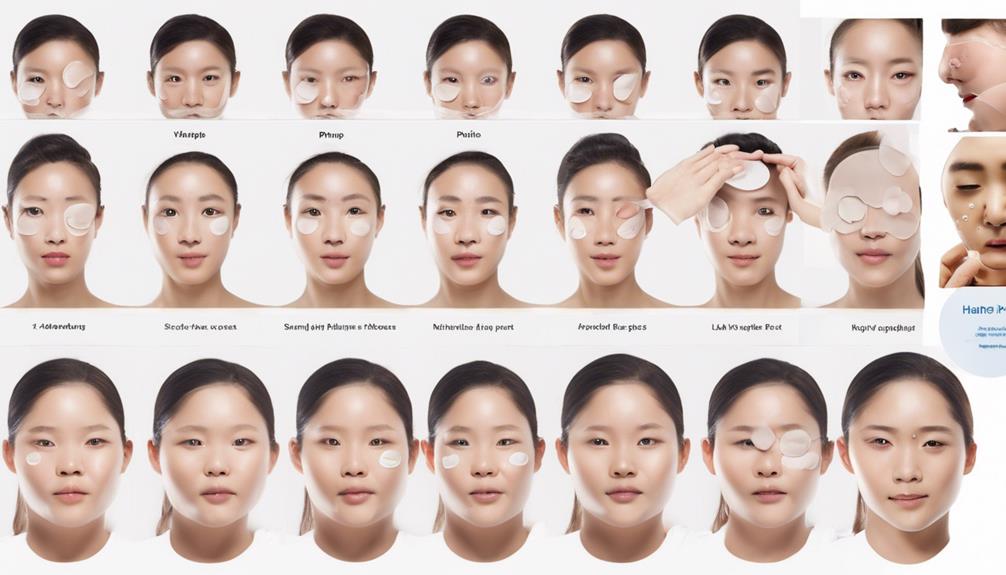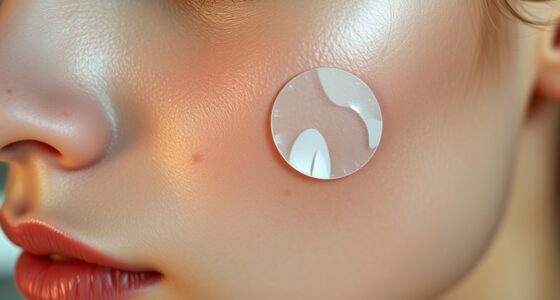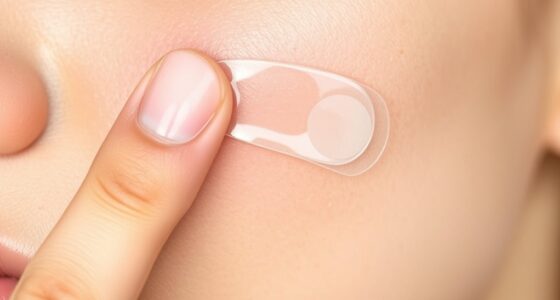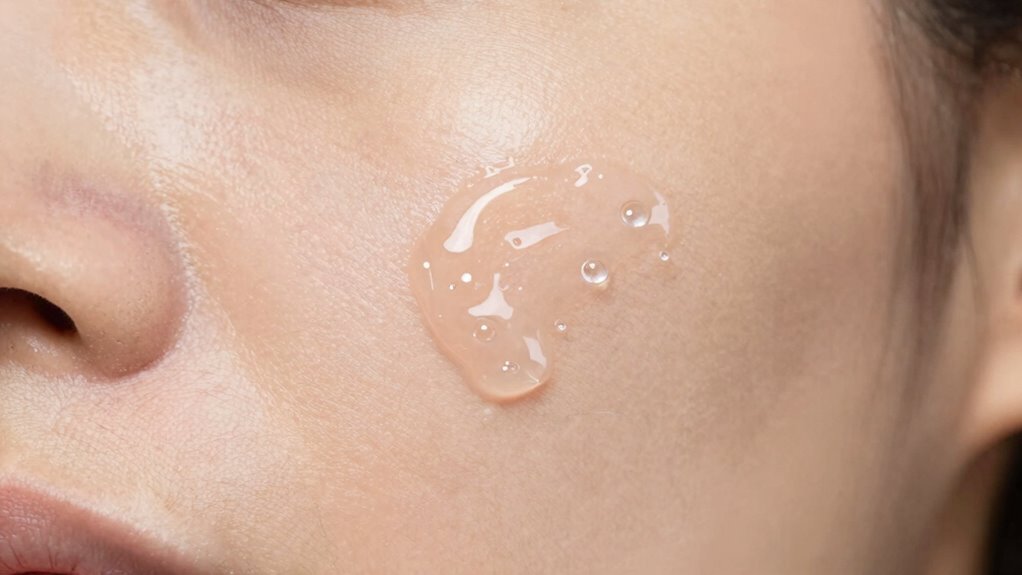
If your pimple patch leaves sticky residue, gently soften it with a warm, damp cloth or a soft cotton pad soaked in lukewarm water. Hold it against the area for a few seconds, then carefully peel away the residue, avoiding harsh scrubbing. Be patient and gentle to prevent skin irritation. Proper removal helps maximize the patch’s benefits and keeps your skin clear. Keep going to discover more tips for managing residue and choosing the right patches.

Get beauty and skincare favorites delivered free with Prime
- Fast, free delivery on millions of items
- Prime Video, Amazon Music and more included
- Member-only deals all year
Key Takeaways
- Use a warm, damp cloth or soft cotton pad to gently soften the residue before removal.
- Carefully peel away the sticky residue to prevent skin irritation or damage.
- Avoid harsh cleansers; opt for gentle cleansing to prevent further skin irritation.
- Choose patches with thinner or more adhesive formulas if residue frequently persists.
- After removal, cleanse the area and apply a soothing, non-irritating moisturizer.
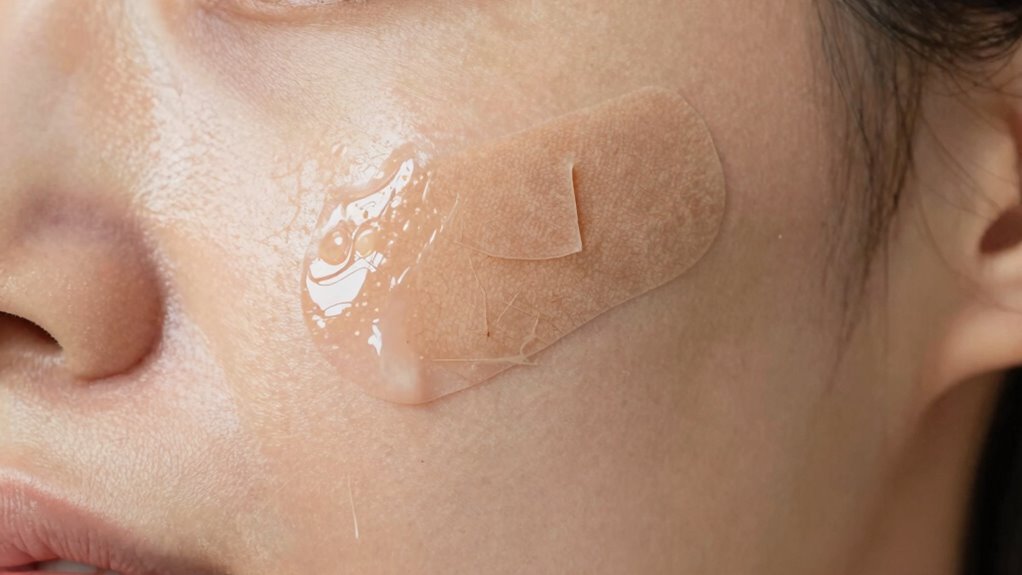
If a pimple patch leaves behind sticky residue, don’t panic—removing it quickly and properly can prevent skin irritation. Sticky residue can be frustrating, but understanding the hydrocolloid benefits and the pimple patch history can help you navigate the situation smoothly. Hydrocolloid patches have become popular because they create a moist environment that promotes faster healing, absorbs excess fluid, and shields the blemish from bacteria. Their history dates back decades, initially used in wound care before becoming a staple in acne treatment. Today, these patches are praised for their convenience and effectiveness, especially when dealing with stubborn pimples.
When you notice sticky residue after removing a patch, the first step is to gently soften the residue. Use a warm, damp cloth or a soft cotton pad soaked in lukewarm water. Hold it against the area for a few seconds to loosen the adhesive. This prevents you from tugging or pulling on your skin, which can cause irritation or even damage. Avoid scrubbing or using harsh cleansers at this stage; gentle is key. Once the residue has softened, you can carefully peel away the sticky substance with your fingers or a soft cloth. Patience is essential—rushing this step might leave behind bits of adhesive that could clog pores or irritate your skin. Being aware of how hydrocolloid patches work can also help you select the right type for your skin, as their adhesive properties vary among brands and formulations. Exploring different adhesive strengths can help you find the most comfortable option for your skin type. Additionally, knowing about the history of hydrocolloid patches can guide you in choosing the most effective and suitable products for your skincare routine.
Knowing the pimple patch history helps you appreciate their role in skincare routines. Originally designed for wound care, hydrocolloid benefits were adapted for acne treatment because of their ability to absorb impurities and reduce inflammation. When sticky residue persists, it’s a reminder that these patches are doing their job—drawing out pus and excess fluid. To prevent future residue issues, consider choosing patches with a thinner or more adhesive formula or switching to a different brand. Proper removal and skin care after use guarantee you maximize the benefits of these patches without risking irritation. Also, staying mindful of the adhesive strength of your patches can help you select the best option for your skin type. With patience and gentle handling, sticky residue becomes a minor inconvenience rather than a skincare setback.
As an affiliate, we earn on qualifying purchases.
Frequently Asked Questions
Can Sticky Residue Cause Skin Irritation or Breakouts?
Sticky residue from a pimple patch can cause skin irritation or breakouts if it blocks your pores or leads to chemical irritation. When residue remains, it traps dirt and oil, increasing the risk of pore blockage. This can worsen breakouts or cause redness and discomfort. To avoid this, gently cleanse your skin after removing a patch and avoid leaving sticky residue on your skin for extended periods.
How Long Should I Leave a Pimple Patch On?
You should leave a pimple patch on for 6 to 8 hours, or overnight—because who doesn’t love sleeping with a tiny, sticky shield? When it’s time for removal, do a gentle pimple patch removal to prevent residue buildup and skin irritation. Ironically, leaving it on too long can cause more residue and breakouts, so don’t overstay your welcome. Short and sweet, that’s the secret!
Are There Specific Pimple Patches That Don’T Leave Residue?
Yes, some pimple patches are designed to leave no residue, especially those with alternative ingredients like hydrocolloid or eco-friendly options made from biodegradable materials. Look for patches labeled as “residue-free” or “eco-friendly,” which often use natural adhesives or plant-based ingredients. These patches minimize sticky residue, making cleanup easier and reducing environmental impact. Always check product descriptions and reviews to find the best residue-free, eco-conscious options for your skincare routine.
Can I Use Makeup Over a Sticky Residue?
Yes, you can use makeup over sticky residue, but it’s tricky. First, make sure your skin is clean and residue is minimized with gentle residue removal techniques like a soft wipe or warm water. Makeup compatibility depends on the residue’s stickiness; some formulas may cling or cause cakiness. Test a small area first, and blend carefully to avoid uneven application or further irritation, guaranteeing your skin stays smooth and stunning.
Is It Safe to Peel off Residue Forcefully?
No, it’s not safe to peel off residue forcefully, as it can damage your skin and cause irritation. Instead, gently remove it by soaking a cotton pad with warm water or a gentle cleanser. Incorporate ingredients like ginger benefits into your skincare routines to soothe skin and reduce inflammation. Being gentle helps maintain healthy skin, especially when managing residues from pimple patches, supporting overall skin health.
Conclusion
Next time a pimple patch leaves sticky residue, don’t panic—think of it like cleaning a stubborn stain; a little patience and the right approach make all the difference. I once struggled with residue after a patch, but gentle oil and patience made my skin smoother than before. Remember, skincare is a journey, not a race. With the right steps, you’ll keep your skin clear and glowing—residue or not, you’re in control.
Halloween Picks
halloween
As an affiliate, we earn on qualifying purchases.