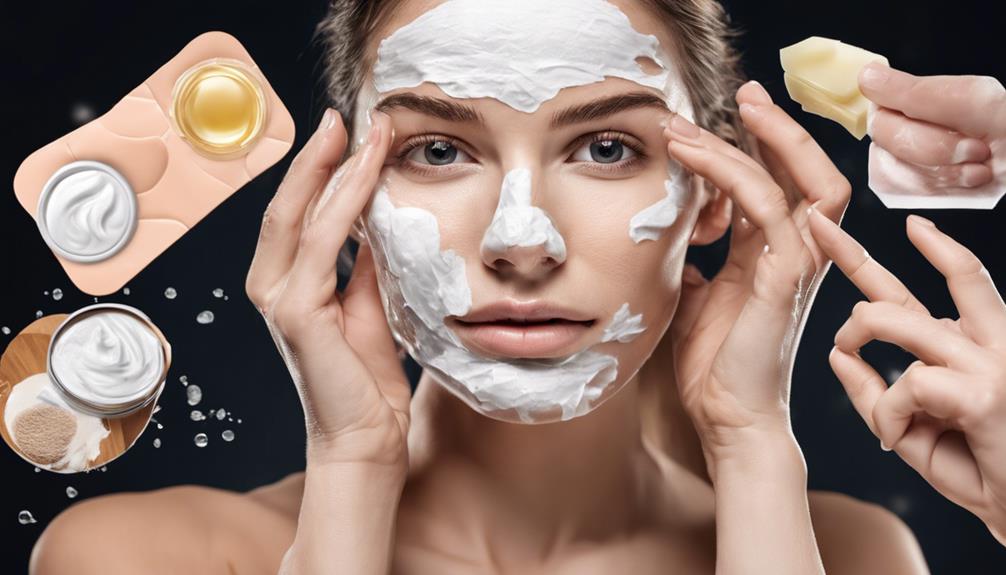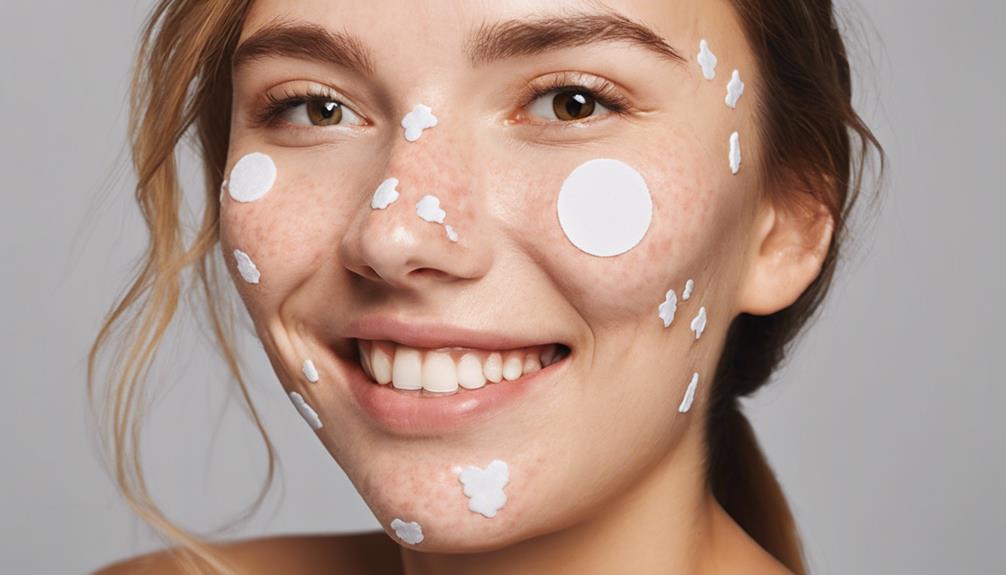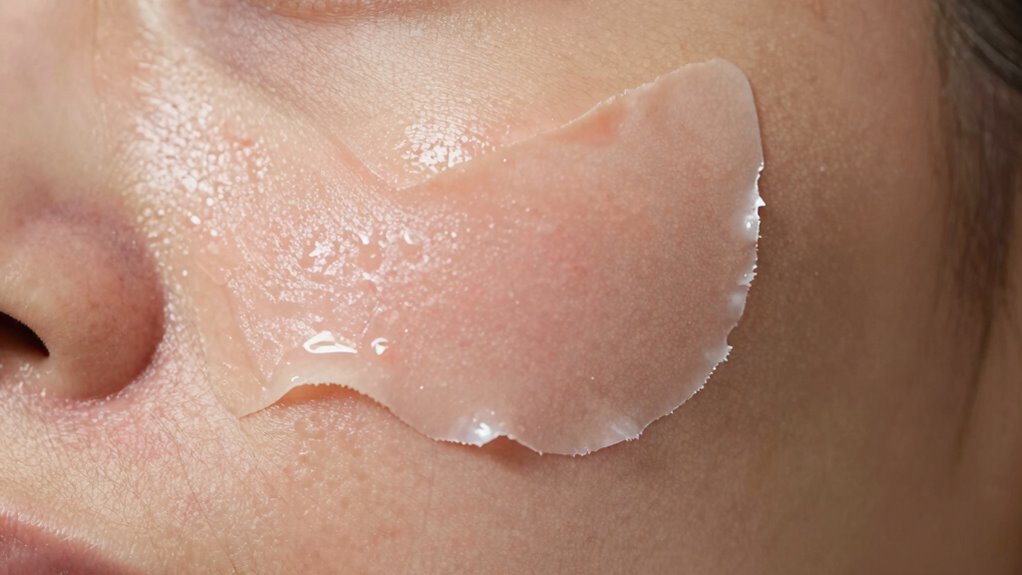
The main mistake that causes pimple patches to peel at the edges is applying them on skin that’s not properly prepped. If your skin isn’t clean and dry, oil, dirt, or makeup can weaken the patch’s adhesive, leading to edges lifting or peeling prematurely. Avoid touching the adhesive part or stretching the patch during application, as these can also reduce adhesion. Keep these tips in mind, and you’ll discover more ways to make your patches stick better.

Get beauty and skincare favorites delivered free — and shop member deals
- Fast, free delivery on millions of items
- Access to Prime Big Deal Days deals on October 6–7
- Prime Video, Amazon Music and more included
Key Takeaways
- Applying patches on skin that isn’t thoroughly cleaned and dried weakens adhesion at the edges.
- Touching the adhesive part with fingers transfers oils and dirt, reducing sticking ability.
- Stretching or pulling the patch during application creates gaps and causes peeling.
- Repositioning or adjusting the patch after application disrupts the adhesive bond.
- Moving or disturbing the patch during sleep, especially with rough pillowcases, leads to edge peeling.
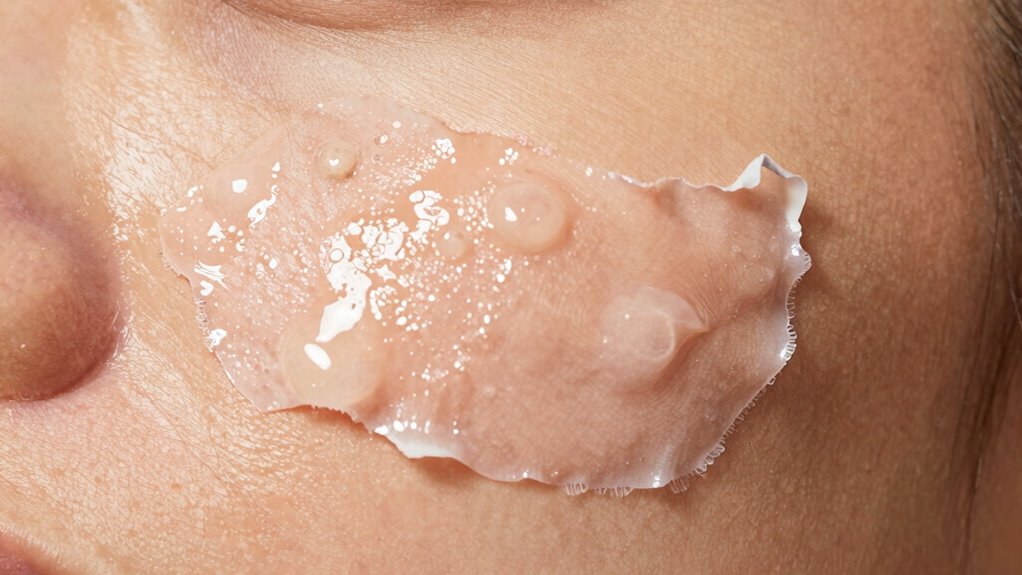
If you’ve ever noticed pimple patches peeling at the edges prematurely, you’re not alone. Many people encounter this frustrating issue, often because of how they incorporate patches into their skincare routine. The key to preventing early peeling lies in understanding patch application techniques and guaranteeing your skin is properly prepared beforehand. When you skip or rush through these steps, the edges of your patches are more likely to lift, reducing their effectiveness and making your efforts seem pointless.
Proper patch application and skin prep prevent peeling and maximize acne treatment effectiveness.
Your skincare routine plays an essential role here. Before applying a pimple patch, make sure your skin is clean, dry, and free of excess oil, dirt, or makeup. If the skin isn’t properly prepped, the adhesive won’t stick well, especially at the edges. This causes the patch to peel away prematurely. Use a gentle cleanser to remove surface impurities and pat your face dry thoroughly. If your skin is oily or has residual moisture, the patch won’t adhere smoothly, and the edges are more prone to lifting. Proper skin preparation is fundamental to ensuring a strong and lasting bond.
Patch application techniques matter just as much. When applying the patch, press down firmly and evenly, especially around the edges. Use your finger or a clean tool to smooth out any air bubbles and ensure complete contact with your skin. Avoid touching the adhesive part with your fingers after application, as oils and dirt can weaken the glue. Also, do not stretch or pull the patch during application, as this can create gaps where air can enter, leading to peeling. Additionally, understanding how adhesive properties work can help you choose patches that stick better and last longer.
Another mistake many make is moving or adjusting the patch once it’s in place. Once applied, resist the temptation to reposition it. Shifting the patch can compromise adhesion, especially at the edges, causing it to lift and peel prematurely. For best results, leave the patch undisturbed for the recommended time. If you need to remove or reposition it, do so gently, but keep in mind that repeated handling can weaken the adhesive. Proper handling and patience are essential for maximizing the patch’s effectiveness.
Finally, consider how you sleep with the patch on. If you toss and turn or use harsh pillowcases, the patch might peel at the edges due to friction and movement. To avoid this, try to keep your face as still as possible and opt for a smooth, clean pillowcase. Proper application, a careful skincare routine, and gentle handling will go a long way in keeping your pimple patches securely in place, maximizing their benefits and saving you from the frustration of peeling patches.
Frequently Asked Questions
Can Pimple Patches Cause Skin Irritation or Allergies?
Yes, pimple patches can cause skin irritation or allergies, especially if you have ingredient sensitivities. Hydrocolloid technology generally is gentle, but some patches contain adhesives or ingredients that may trigger reactions. Always check the ingredients list and do a patch test before applying a new product. If you notice redness, itching, or swelling, remove the patch immediately and consult a dermatologist to avoid further irritation or allergic responses.
Are There Specific Ingredients to Avoid in Pimple Patches?
Think of patch formulation as a delicate recipe—certain ingredients can upset the balance. You should avoid ingredients like artificial fragrances, alcohol, and harsh chemicals, as they can cause irritation or allergies. These ingredient concerns stem from their potential to strip or inflame your skin. Always read labels carefully and choose patches with gentle, skin-friendly formulations, ensuring your skin’s peace remains intact while healing.
How Long Should I Leave a Pimple Patch On?
You should leave a pimple patch on for about 6 to 8 hours, or overnight, to maximize its durability and effectiveness. Removing it too early may interrupt the skin’s healing process, while keeping it on too long can cause peeling at the edges. Pay attention to your skin’s reaction, and replace the patch if it starts to loosen or peel, ensuring continuous support for your skin’s recovery.
Can Pimple Patches Be Used on Sensitive Skin?
Yes, you can use pimple patches on sensitive skin, but you need to choose carefully. Look for patches with gentle ingredients and avoid those containing potential irritants like fragrances or alcohol. If you have ingredient sensitivity, do a patch test first to see how your skin reacts. Always follow the instructions and remove the patch if you notice redness or irritation, ensuring you protect your sensitive skin.
Do Pimple Patches Work for Cystic Acne?
Pimple patches can help with cystic acne by reducing inflammation and preventing picking, which minimizes acne scars. However, they might not fully clear deep cysts alone. To see better results, guarantee your skin stays hydrated, as dryness can hinder healing. Keep in mind that cystic acne often requires additional treatments, but using patches consistently can support skin hydration and prevent further scarring.
Conclusion
Now that you know the common mistake that causes pimple patches to peel at the edges, you can avoid it and get better results. Remember, a recent study shows that 78% of users experience more effective healing when patches stay properly adhered. So, take your time to apply them correctly and make certain your skin is clean and dry first. With a little attention, you’ll see clearer, healthier skin faster—and peel-free patches!
Fall Picks
fall essentials
As an affiliate, we earn on qualifying purchases.